
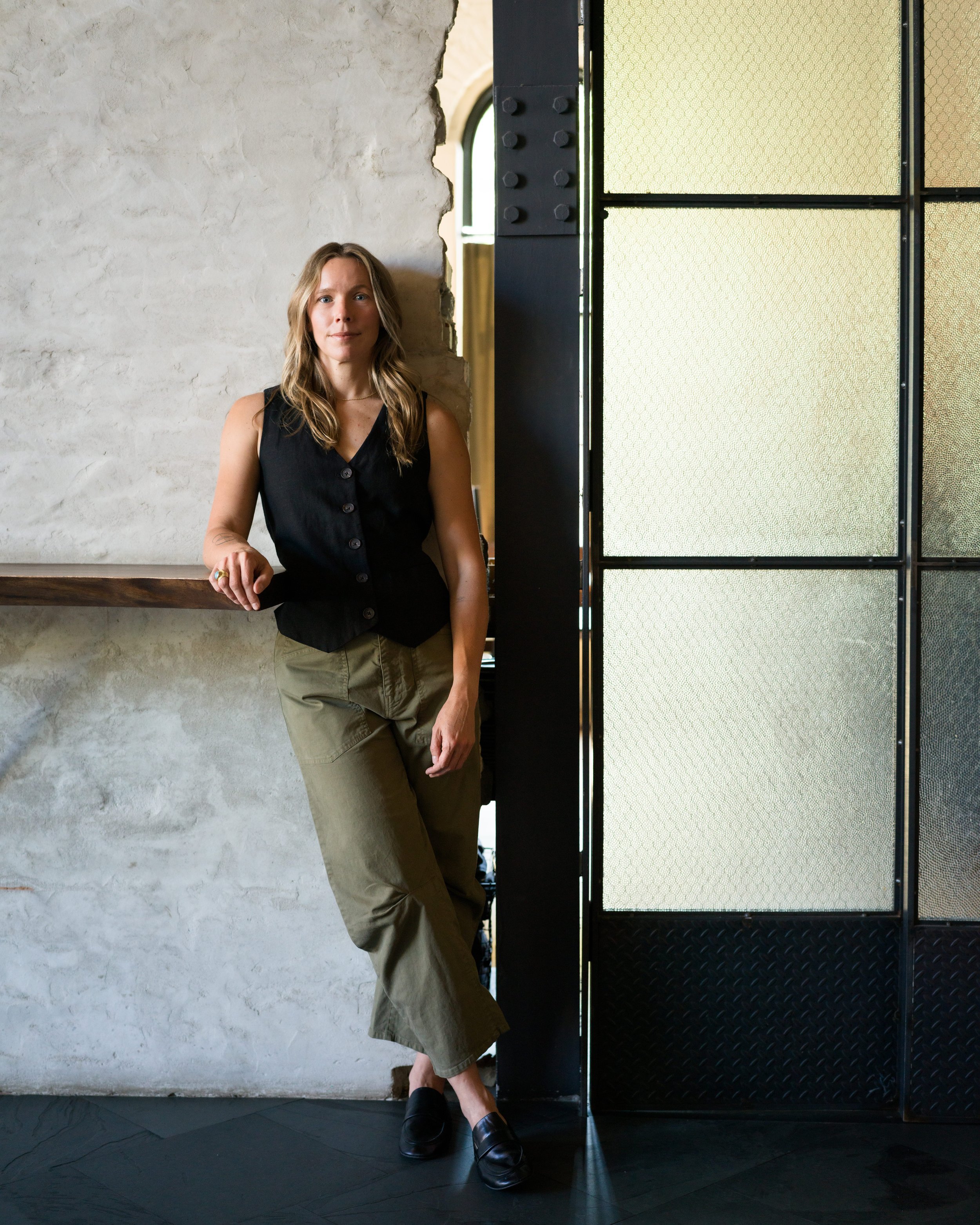
Allison Bryan
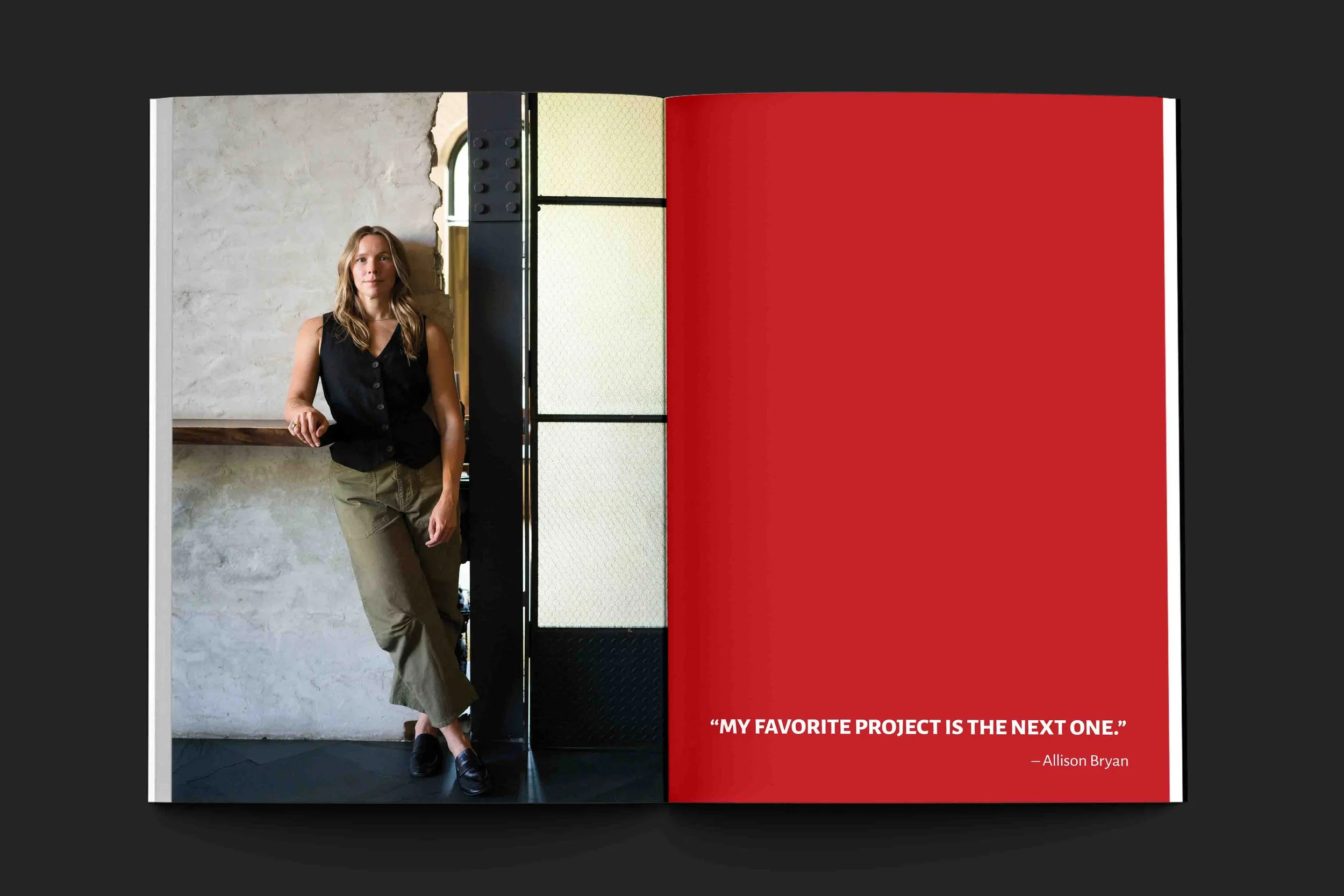
“My favorite project is the next one.”
— Allison Bryan
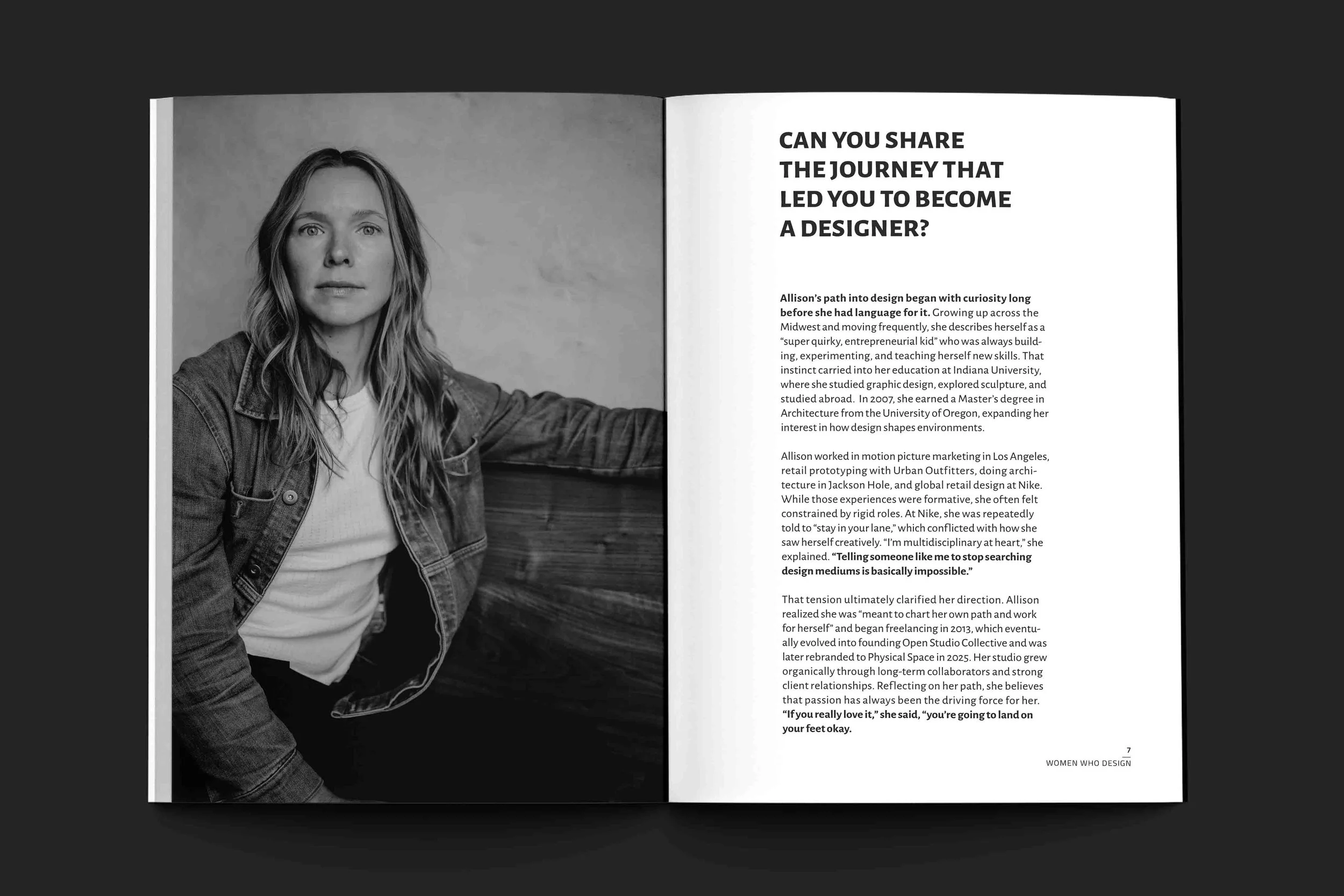
Can you share the journey that led you to become a designer?
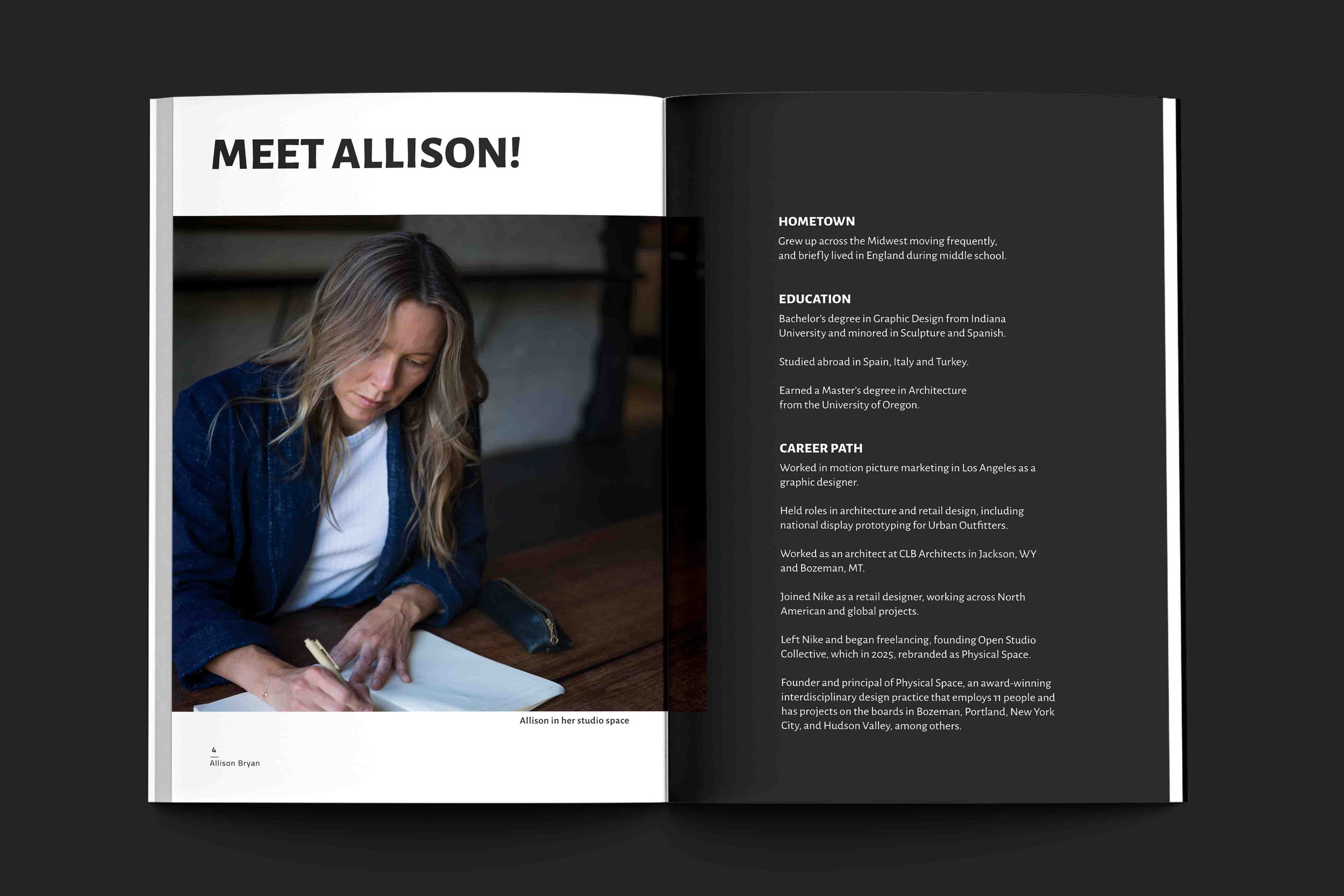
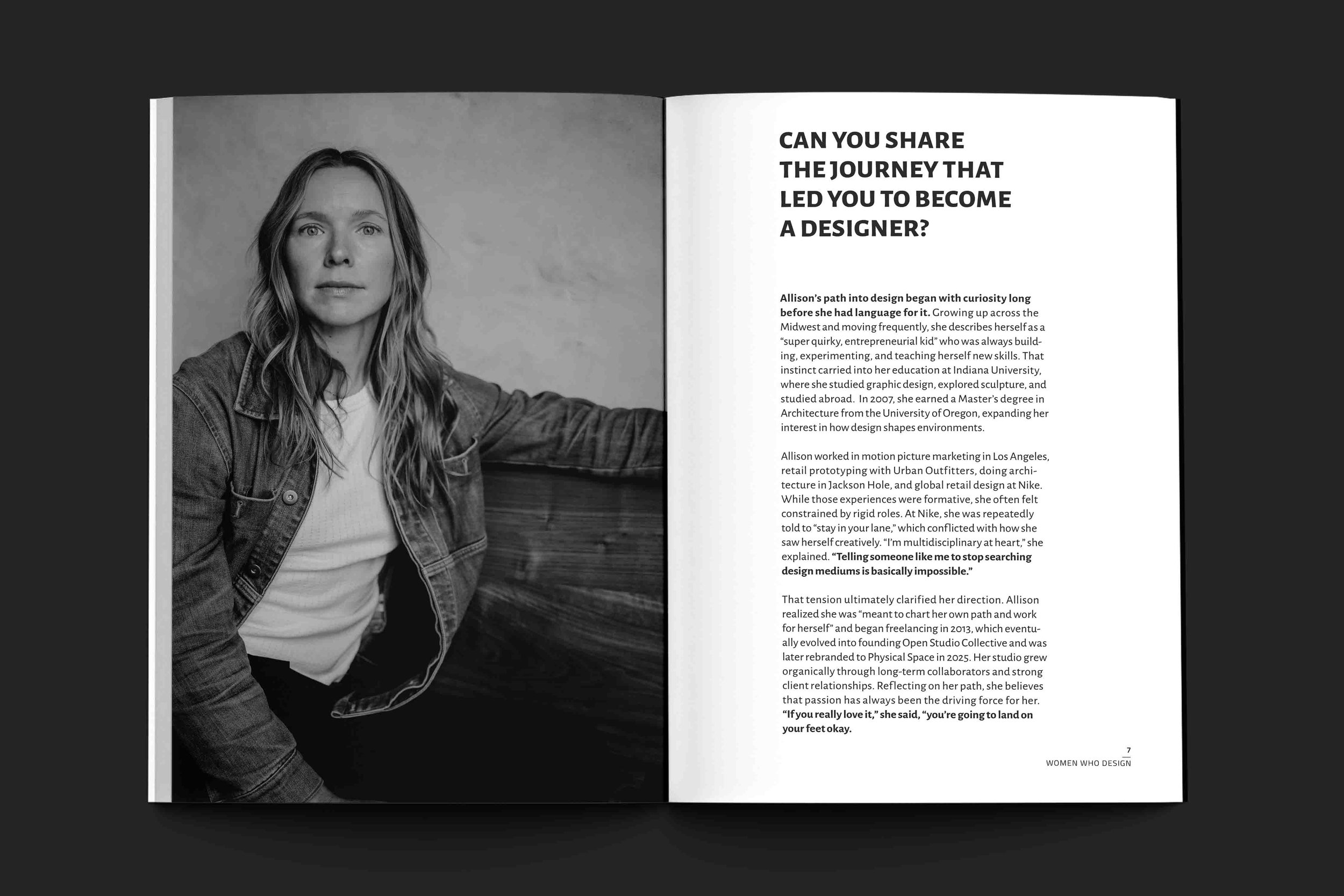
Allison’s path into design began with curiosity long before she had language for it. Growing up across the Midwest and moving frequently, she describes herself as a “super quirky, entrepreneurial kid” who was always building, experimenting, and teaching herself new skills. That instinct carried into her education at Indiana University, where she studied graphic design, explored sculpture, and studied abroad. In 2007, she earned a Master’s degree in Architecture from the University of Oregon, expanding her interest in how design shapes environments.
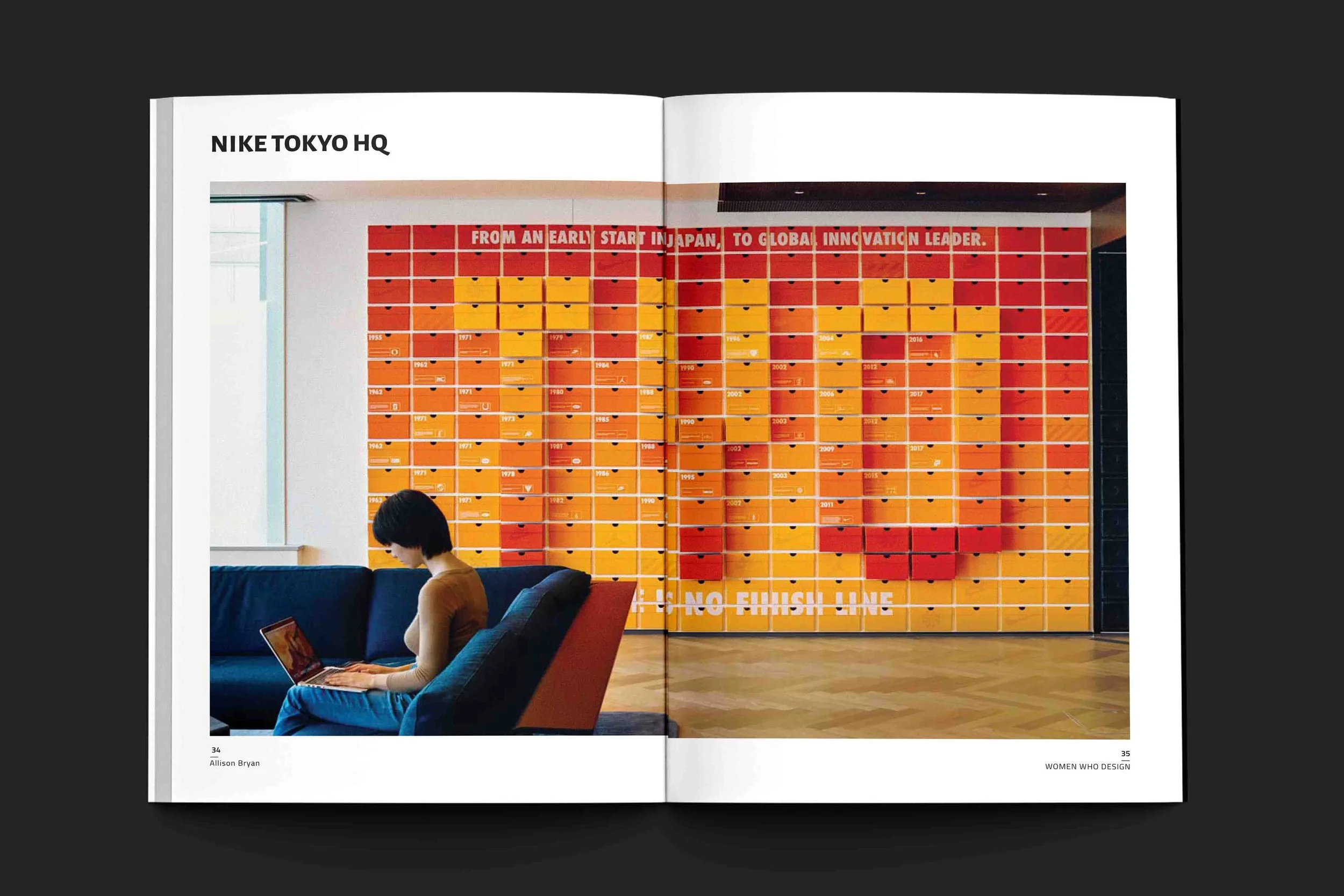
Allison worked in motion picture marketing in Los Angeles, retail prototyping with Urban Outfitters, doing architecture in Jackson Hole, and global retail design at Nike. While those experiences were formative, she often felt constrained by rigid roles. At Nike, she was repeatedly told to “stay in your lane,” which conflicted with how she saw herself creatively. “I’m multidisciplinary at heart,” she explained. “Telling someone like me to stop searching design mediums is basically impossible.”
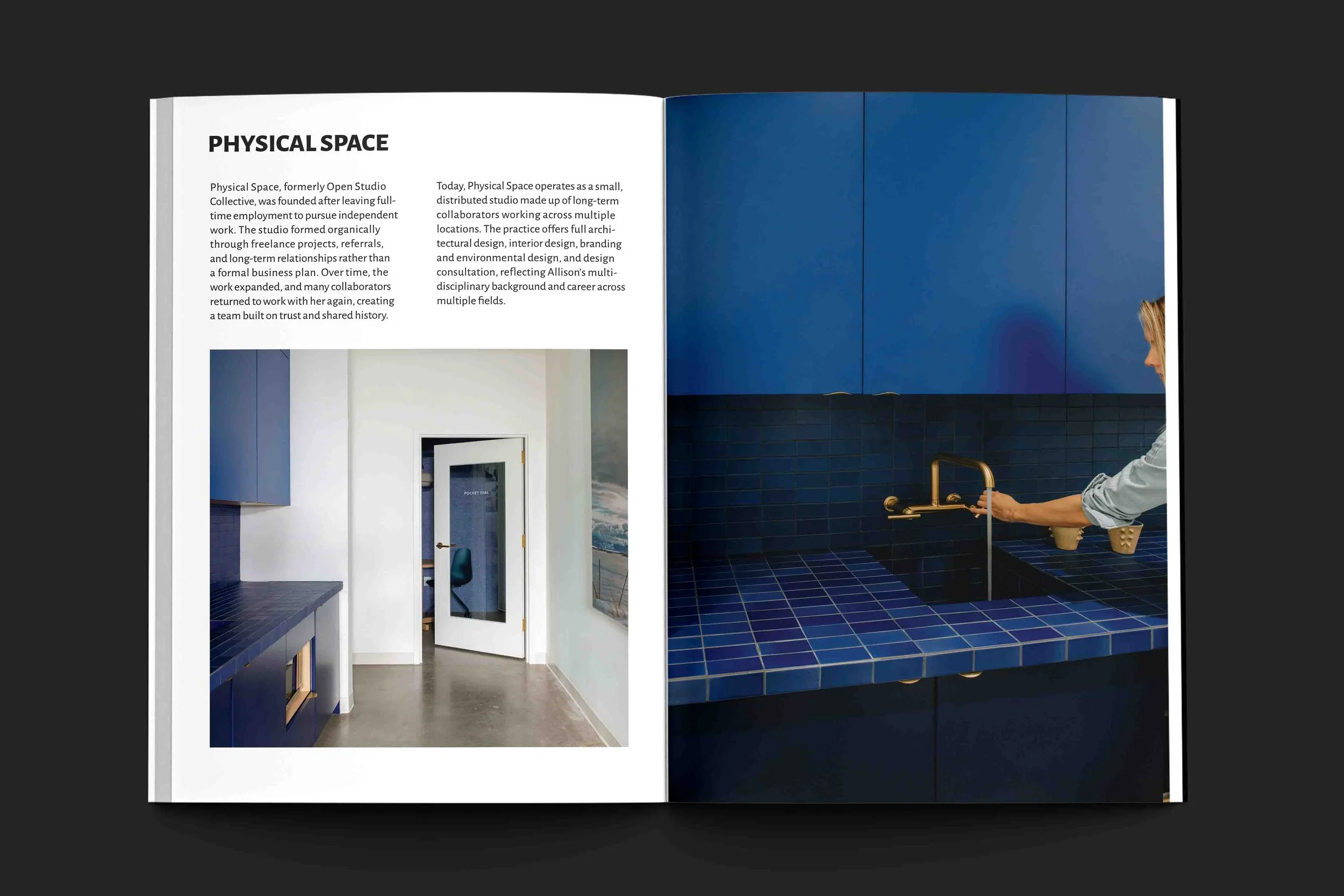
That tension ultimately clarified her direction. Allison realized she was “meant to chart her own path and work for herself” and began freelancing in 2013, which eventually evolved into founding Open Studio Collective and was later rebranded to Physical Space in 2025. Her studio grew organically through long-term collaborators and strong client relationships. Reflecting on her path, she believes that passion has always been the driving force for her. “If you really love it,” she said, “you’re going to land on your feet okay.
What is it like to be a woman designer in Bozeman?
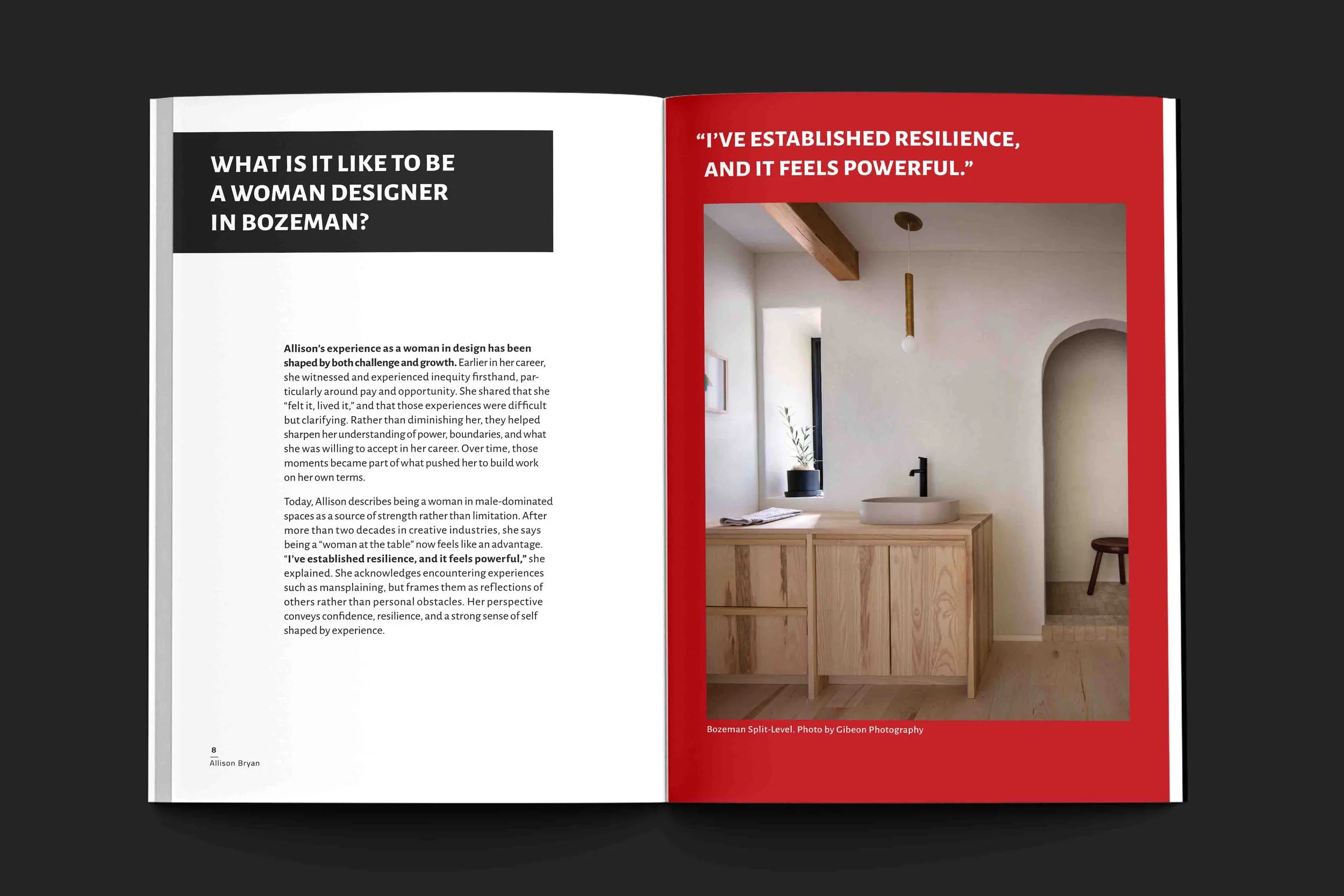
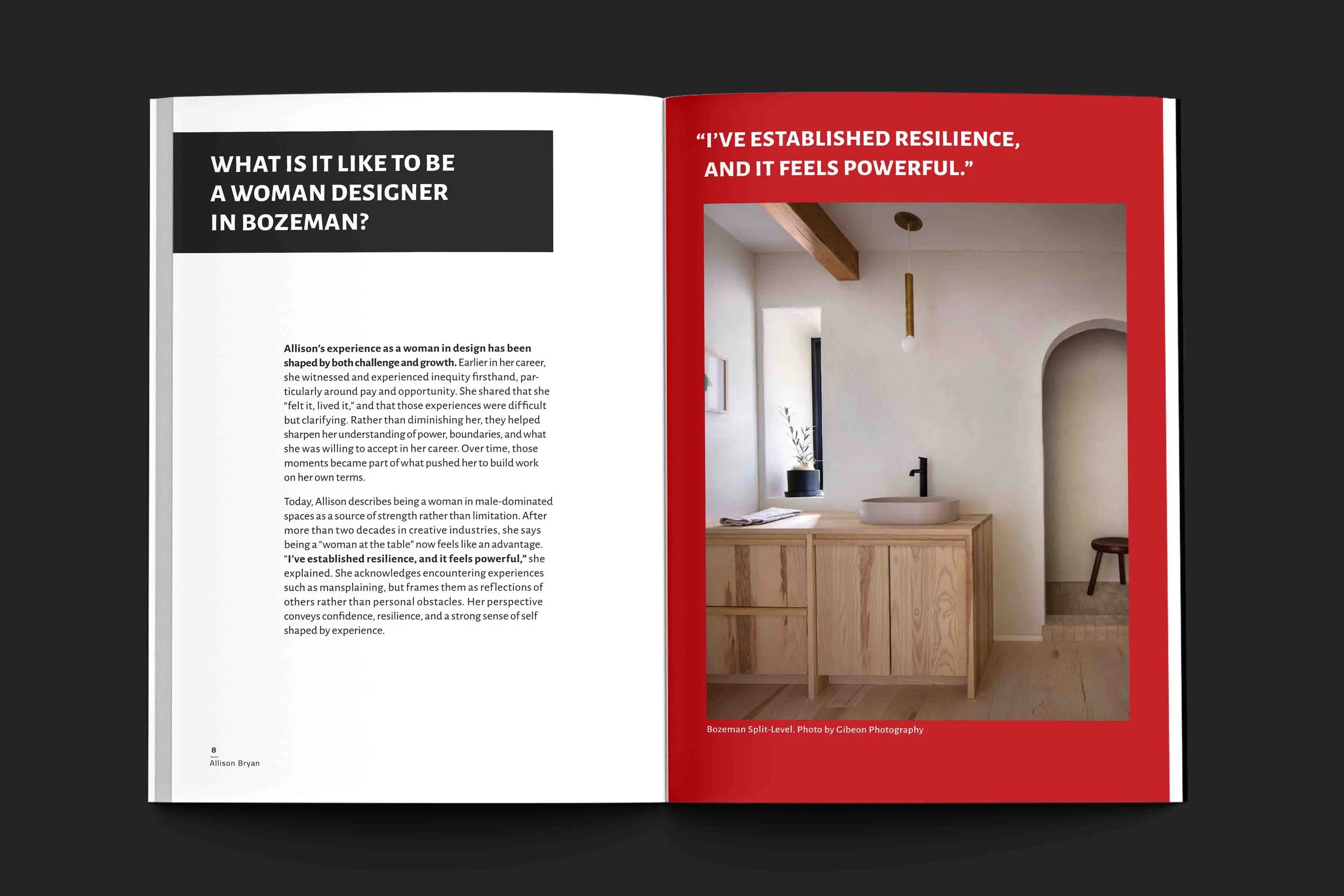
Allison’s experience as a woman in design has been shaped by both challenge and growth. Earlier in her career, she witnessed and experienced inequity firsthand, particularly around pay and opportunity. She shared that she “felt it, lived it,” and that those experiences were difficult but clarifying. Rather than diminishing her, they helped sharpen her understanding of power, boundaries, and what she was willing to accept in her career. Over time, those moments became part of what pushed her to build work on her own terms.
Today, Allison describes being a woman in male-dominated spaces as a source of strength rather than limitation. After more than two decades in creative industries, she says being a “woman at the table” now feels like an advantage. “I’ve established resilience, and it feels powerful,” she explained. She acknowledges encountering experiences such as mansplaining, but frames them as reflections of others rather than personal obstacles. Her perspective conveys confidence, resilience, and a strong sense of self shaped by experience.
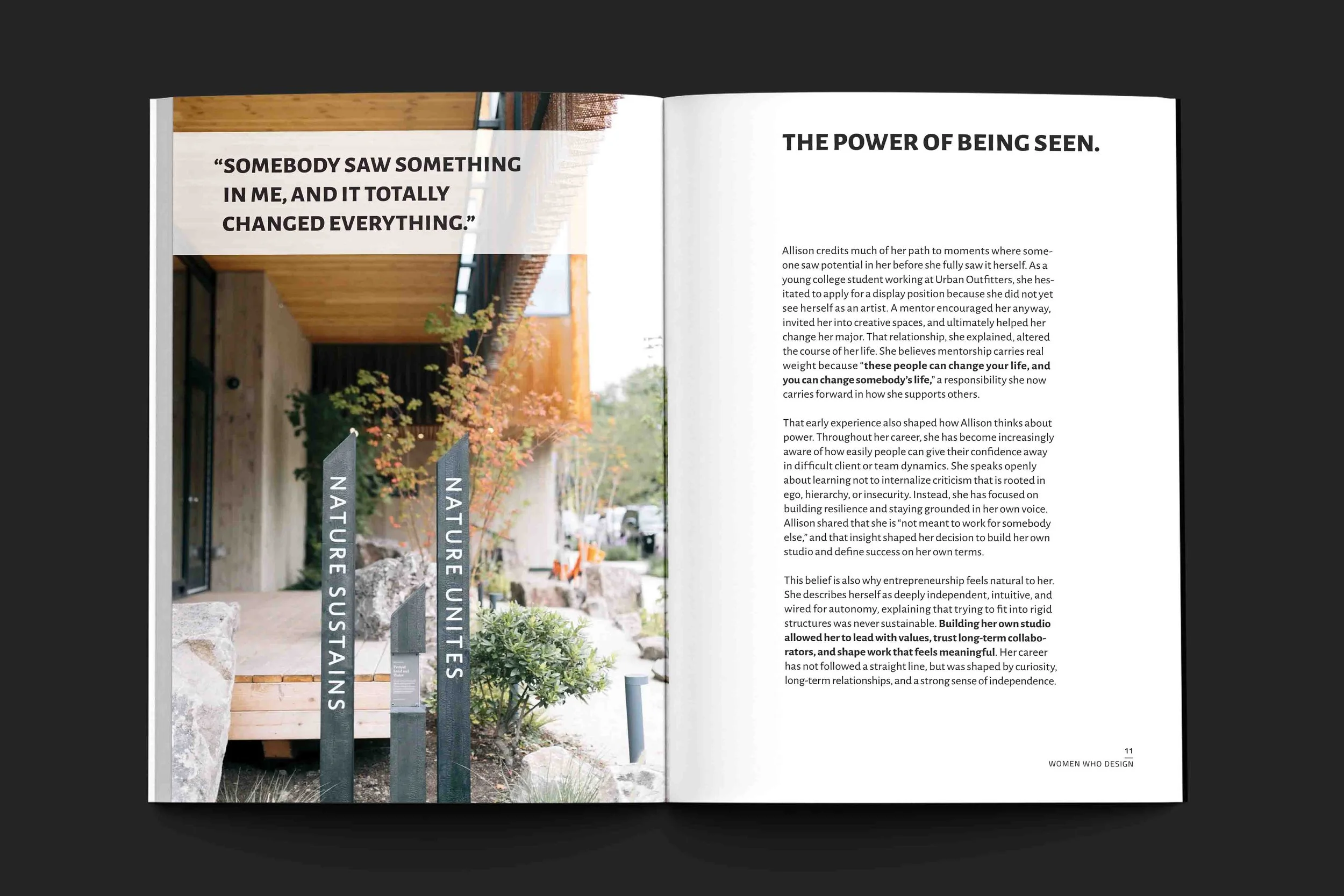
The power of being seen.
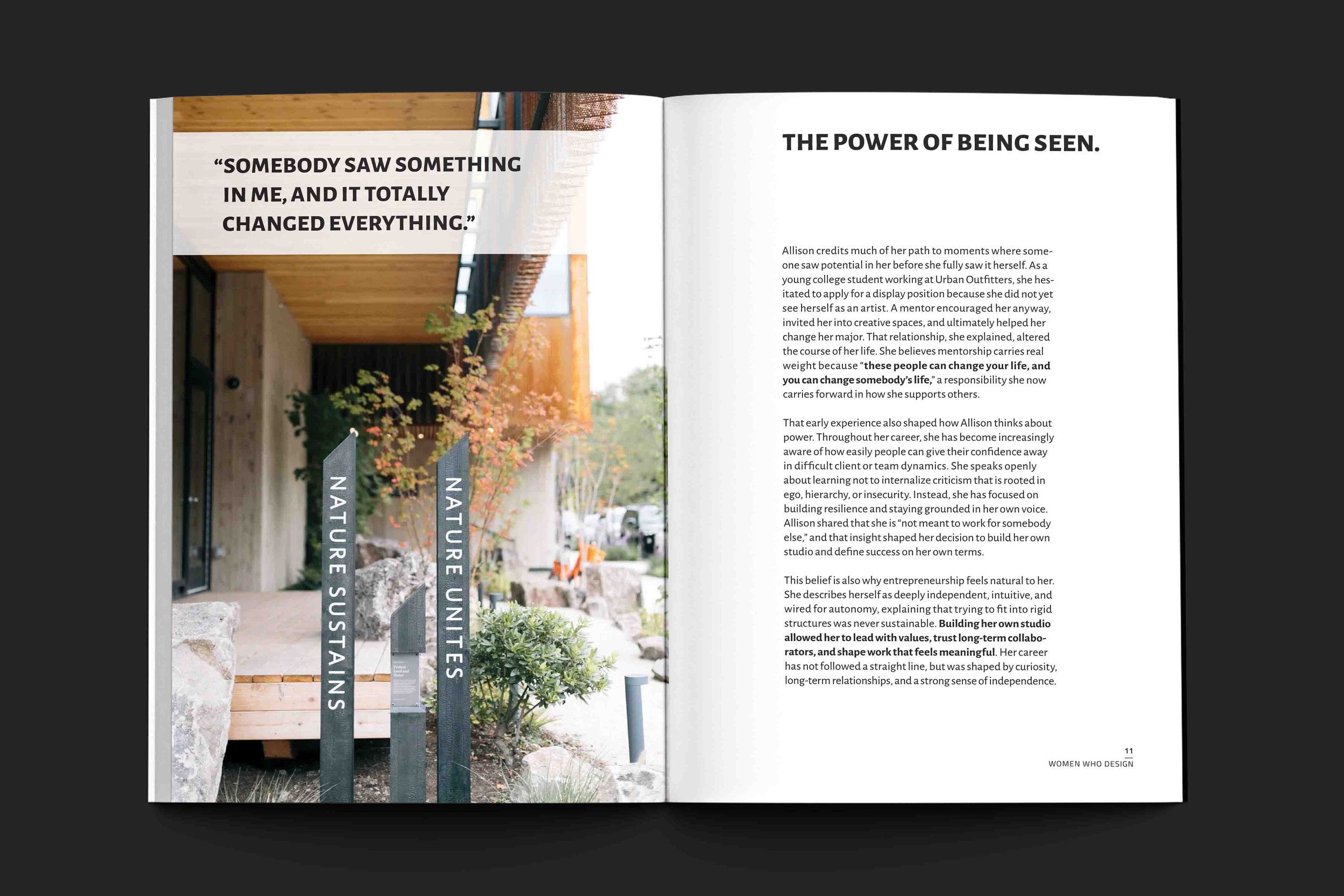
Allison credits much of her path to moments where someone saw potential in her before she fully saw it herself. As a young college student working at Urban Outfitters, she hesitated to apply for a display position because she did not yet see herself as an artist. A mentor encouraged her anyway, invited her into creative spaces, and ultimately helped her change her major. That relationship, she explained, altered the course of her life. She believes mentorship carries real weight because “these people can change your life, and you can change somebody’s life,” a responsibility she now carries forward in how she supports others.
That early experience also shaped how Allison thinks about power. Throughout her career, she has become increasingly aware of how easily people can give their confidence away in difficult client or team dynamics. She speaks openly about learning not to internalize criticism that is rooted in ego, hierarchy, or insecurity. Instead, she has focused on building resilience and staying grounded in her own voice. Allison shared that she is “not meant to work for somebody else,” and that insight shaped her decision to build her own studio and define success on her own terms.
This belief is also why entrepreneurship feels natural to her. She describes herself as deeply independent, intuitive, and wired for autonomy, explaining that trying to fit into rigid structures was never sustainable. Building her own studio allowed her to lead with values, trust long-term collaborators, and shape work that feels meaningful. Her career has not followed a straight line, but was shaped by curiosity, long-term relationships, and a strong sense of independence.
What advice would you give to young women entering design?
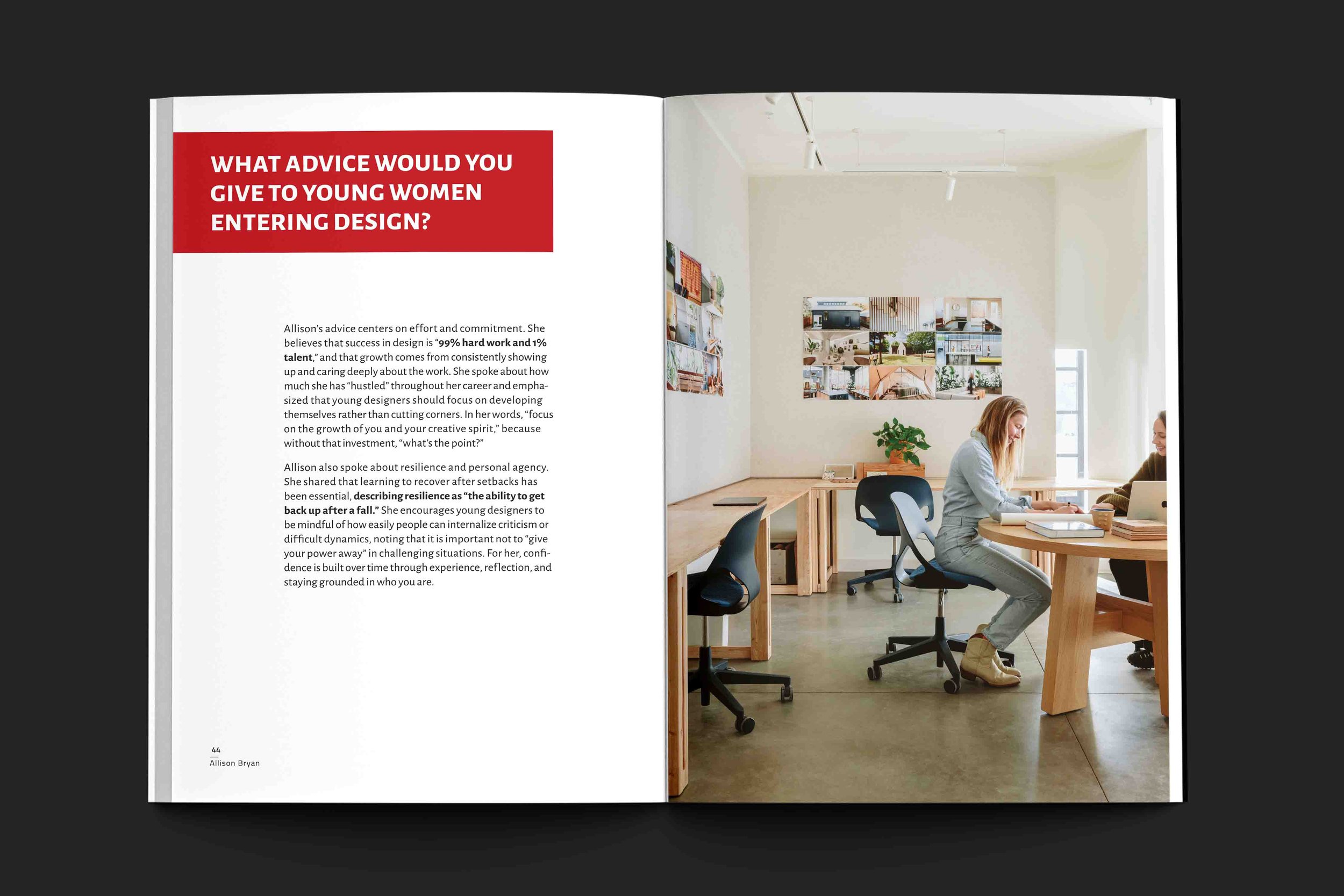
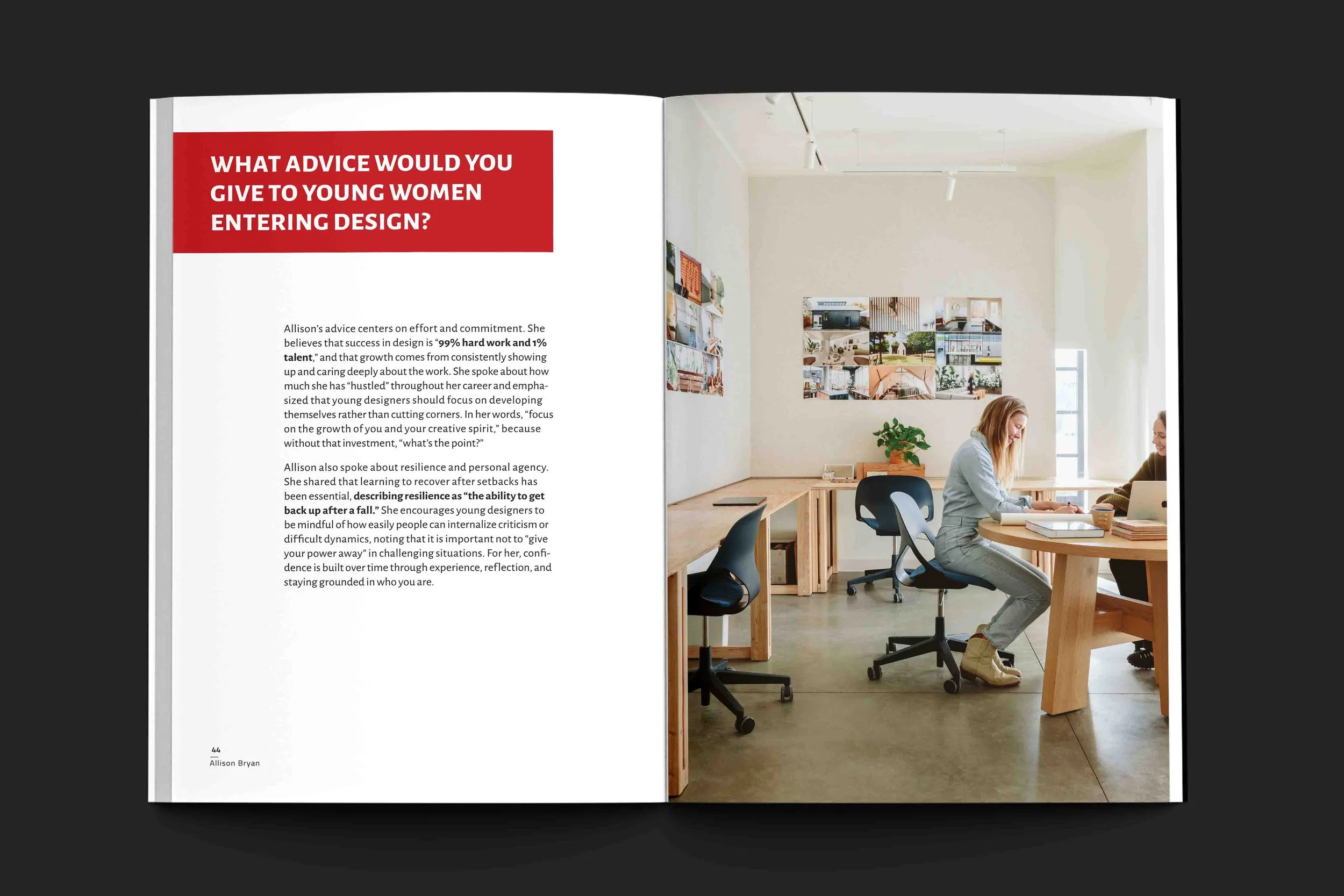
Allison’s advice centers on effort and commitment. She believes that success in design is “99% hard work and 1% talent,” and that growth comes from consistently showing up and caring deeply about the work. She spoke about how much she has “hustled” throughout her career and emphasized that young designers should focus on developing themselves rather than cutting corners. In her words, “focus on the growth of you and your creative spirit,” because without that investment, “what’s the point?”
Allison also spoke about resilience and personal agency. She shared that learning to recover after setbacks has been essential, describing resilience as “the ability to get back up after a fall.” She encourages young designers to be mindful of how easily people can internalize criticism or difficult dynamics, noting that it is important not to “give your power away” in challenging situations. For her, confidence is built over time through experience, reflection, and staying grounded in who you are.
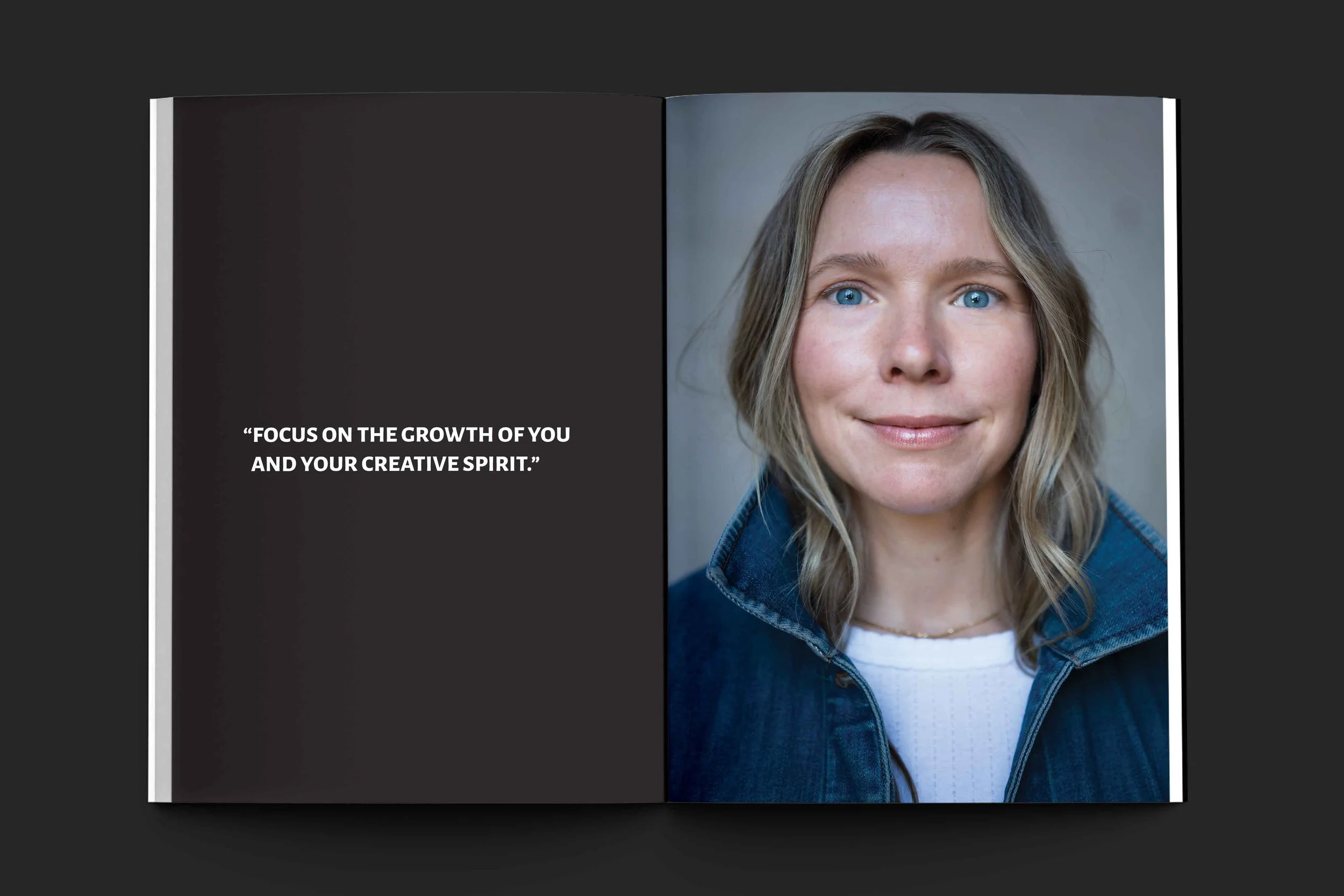
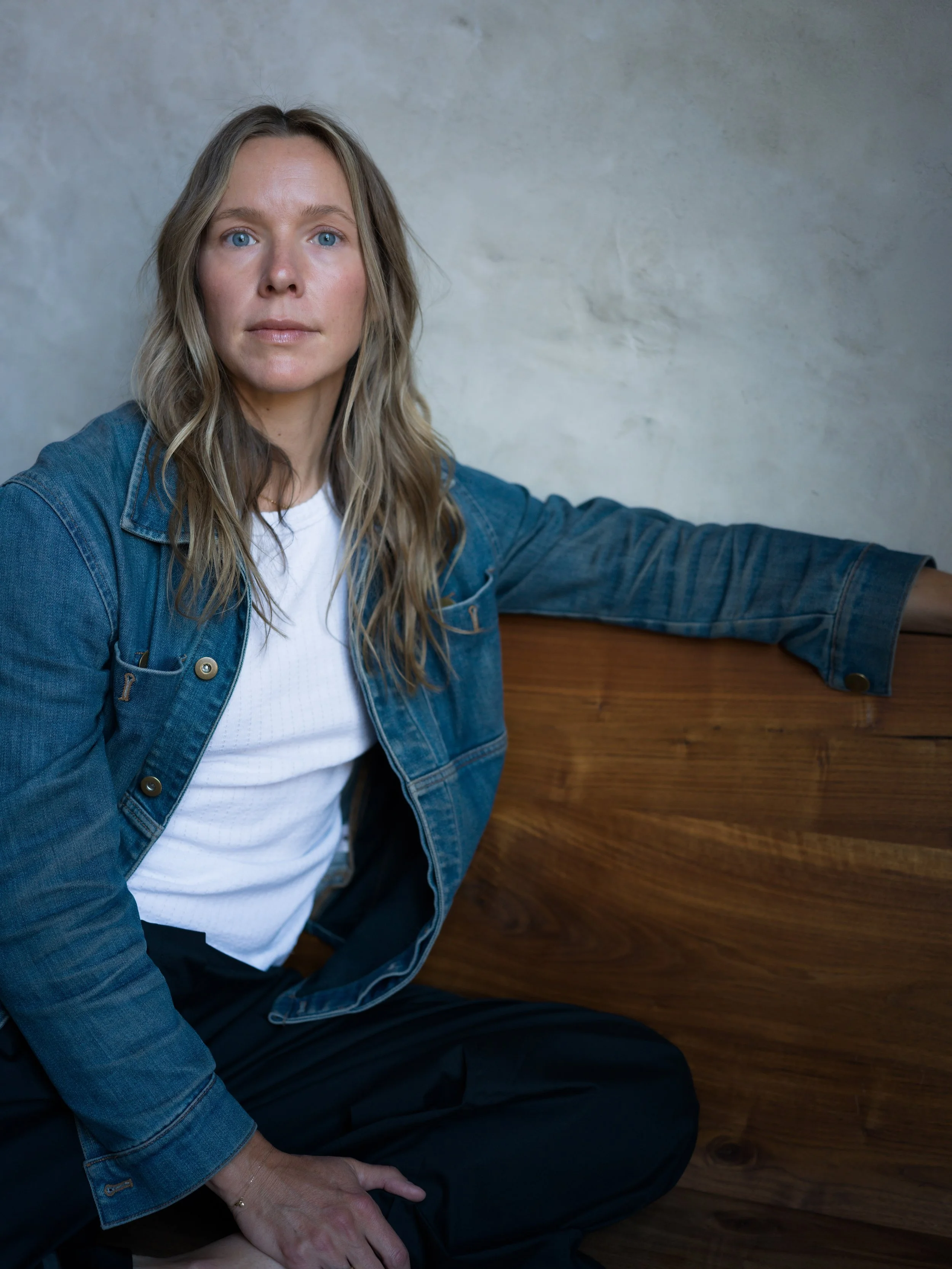
“Focus on the growth of you and your creative spirit.”
— Allison Bryan