
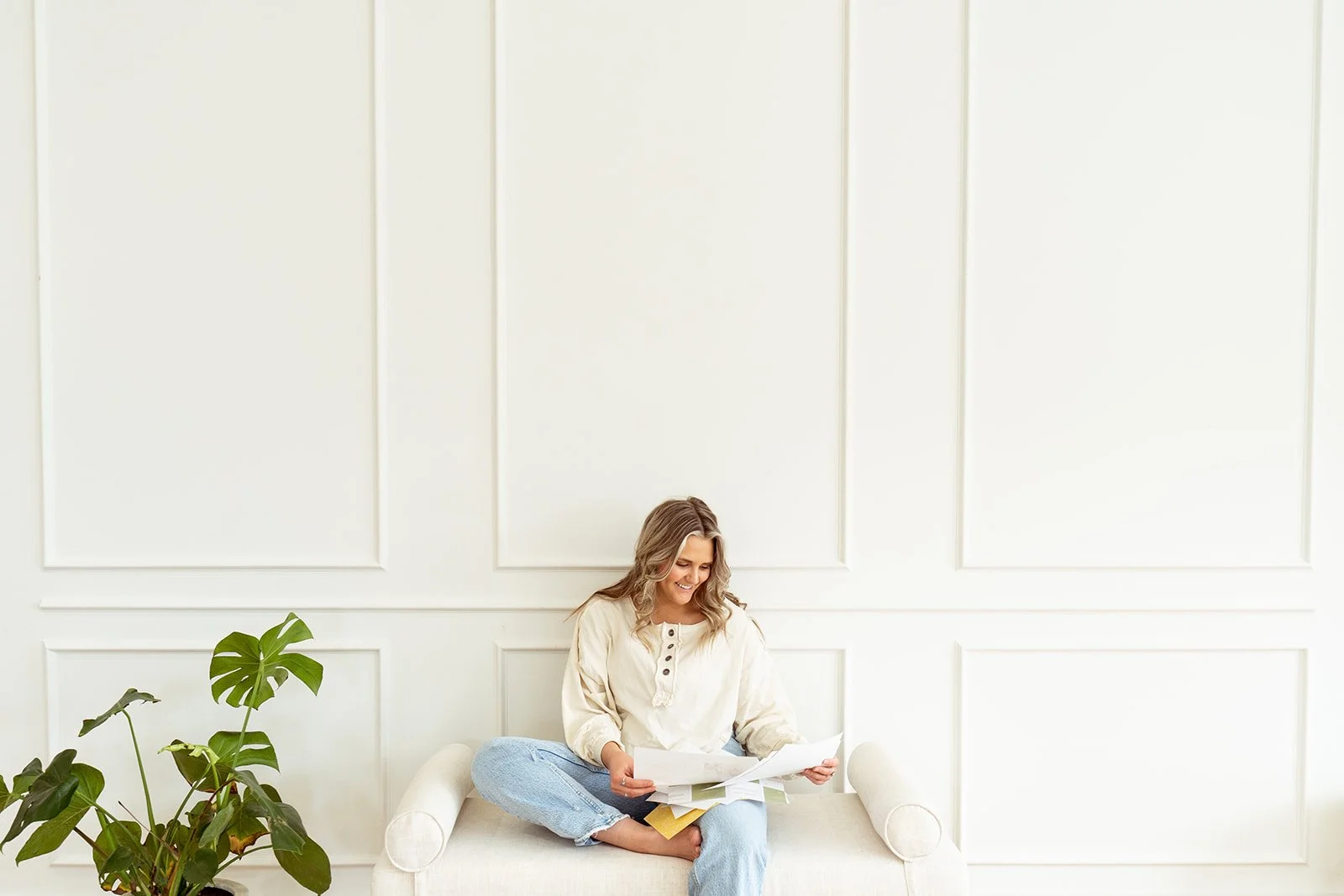
Ali Holst
“I love the branding. I love that process. I love the creativity.”
— Ali Holst
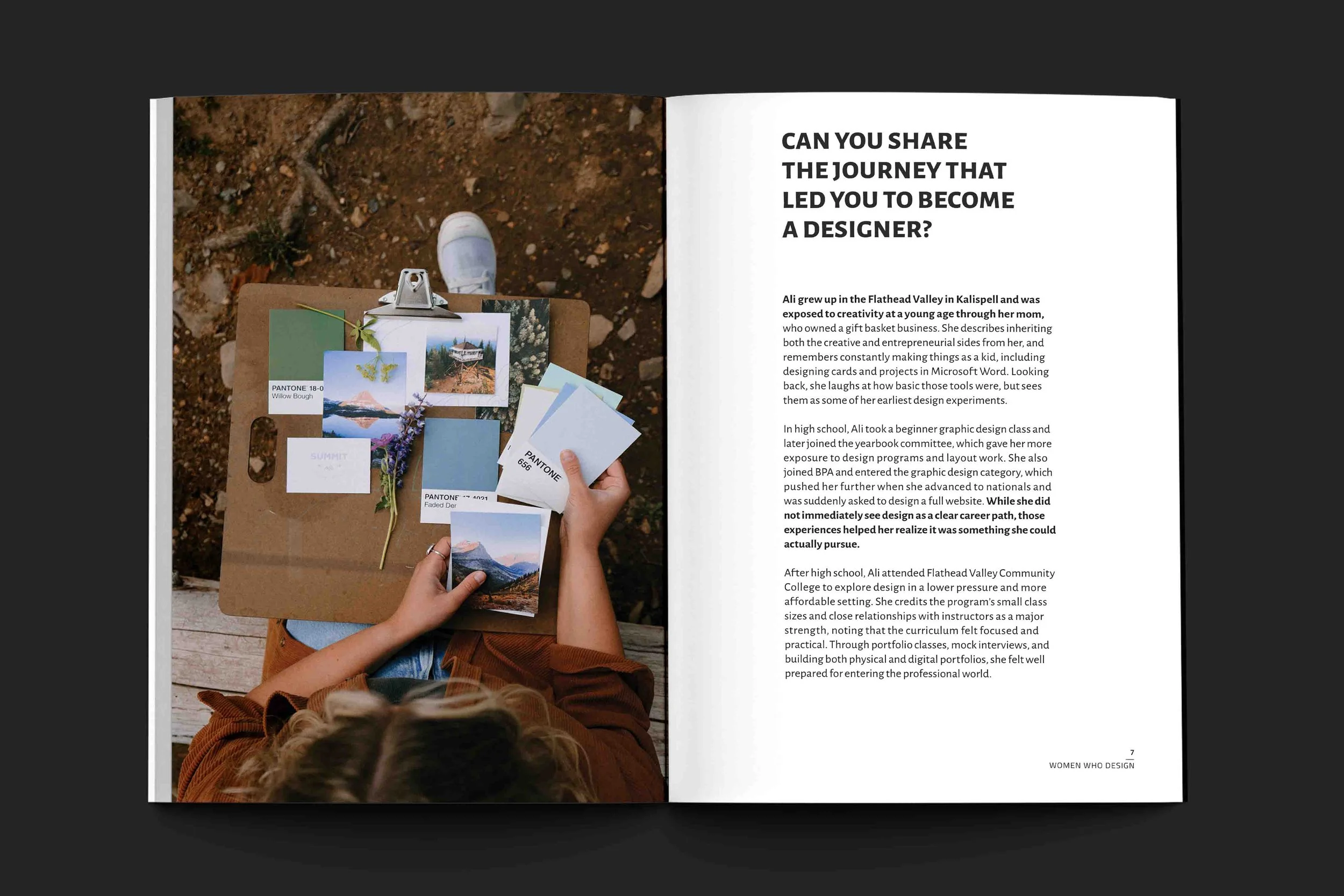
Can you share the journey that led you to become a designer?
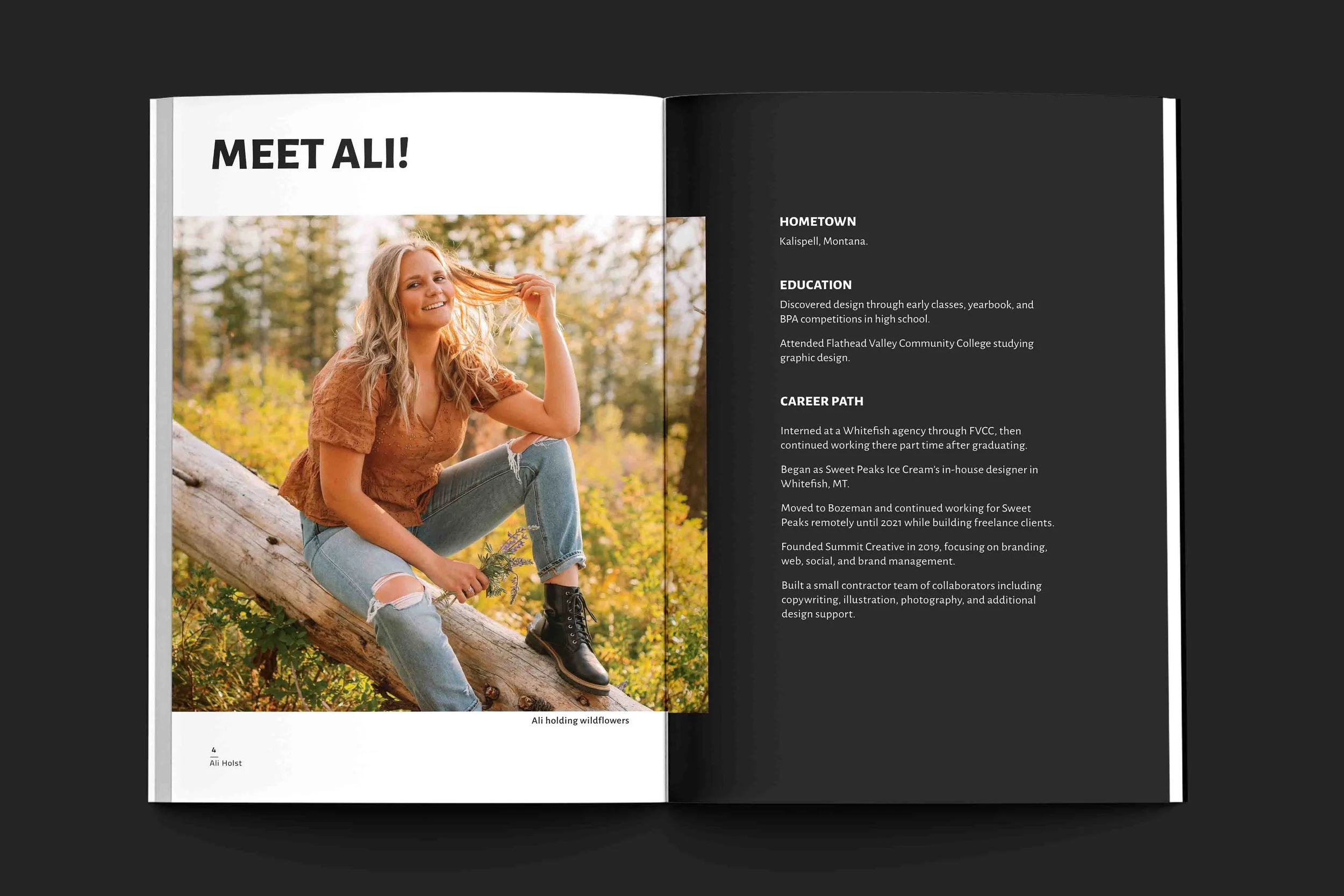
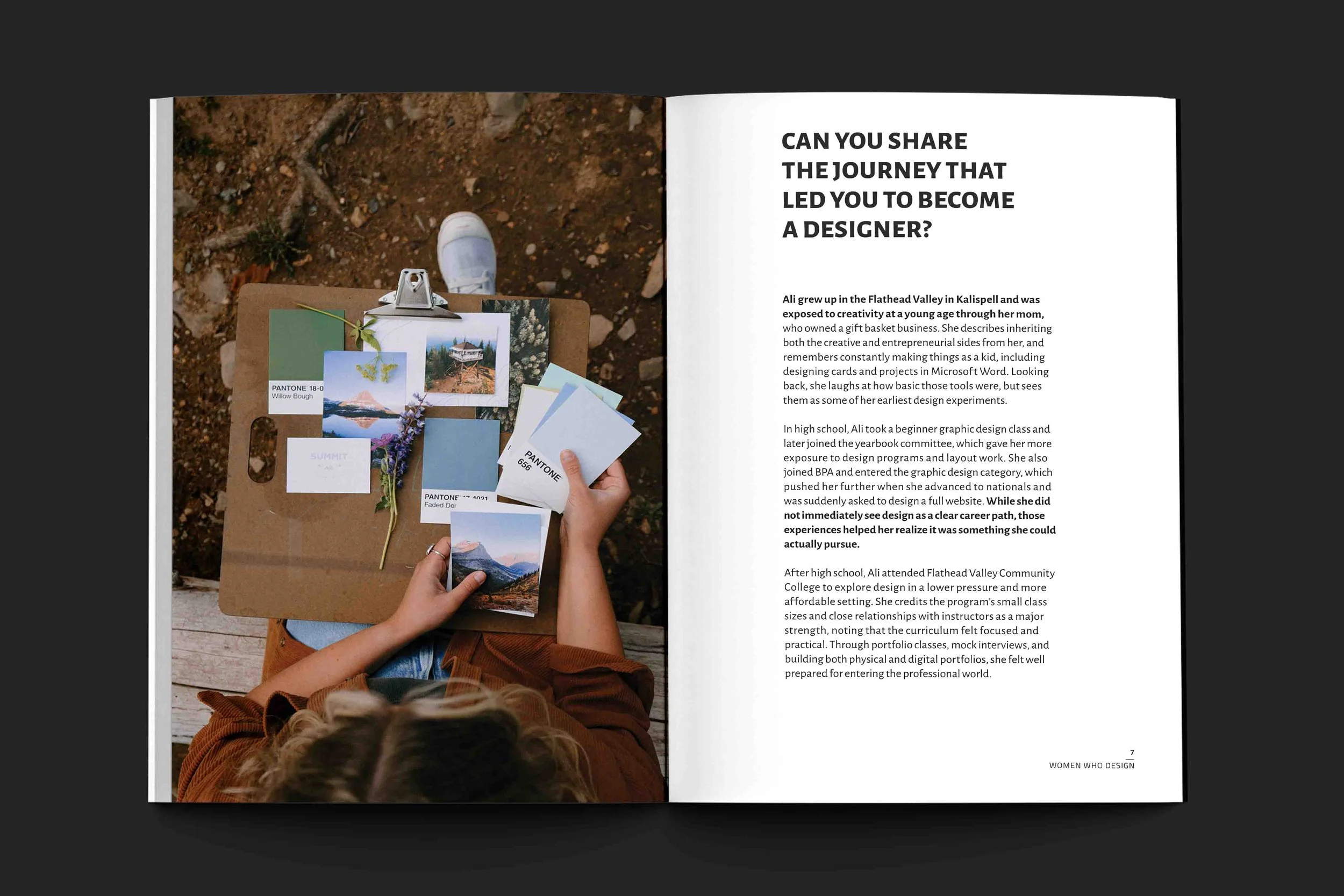
Ali grew up in the Flathead Valley in Kalispell and was exposed to creativity at a young age through her mom, who owned a gift basket business. She describes inheriting both the creative and entrepreneurial sides from her, and remembers constantly making things as a kid, including designing cards and projects in Microsoft Word. Looking back, she laughs at how basic those tools were, but sees them as some of her earliest design experiments.
In high school, Ali took a beginner graphic design class and later joined the yearbook committee, which gave her more exposure to design programs and layout work. She also joined BPA and entered the graphic design category, which pushed her further when she advanced to nationals and was suddenly asked to design a full website. While she did not immediately see design as a clear career path, those experiences helped her realize it was something she could actually pursue.
After high school, Ali attended Flathead Valley Community College to explore design in a lower pressure and more affordable setting. She credits the program’s small class sizes and close relationships with instructors as a major strength, noting that the curriculum felt focused and practical. Through portfolio classes, mock interviews, and building both physical and digital portfolios, she felt well prepared for entering the professional world.
What is it like to be a woman designer in Bozeman?
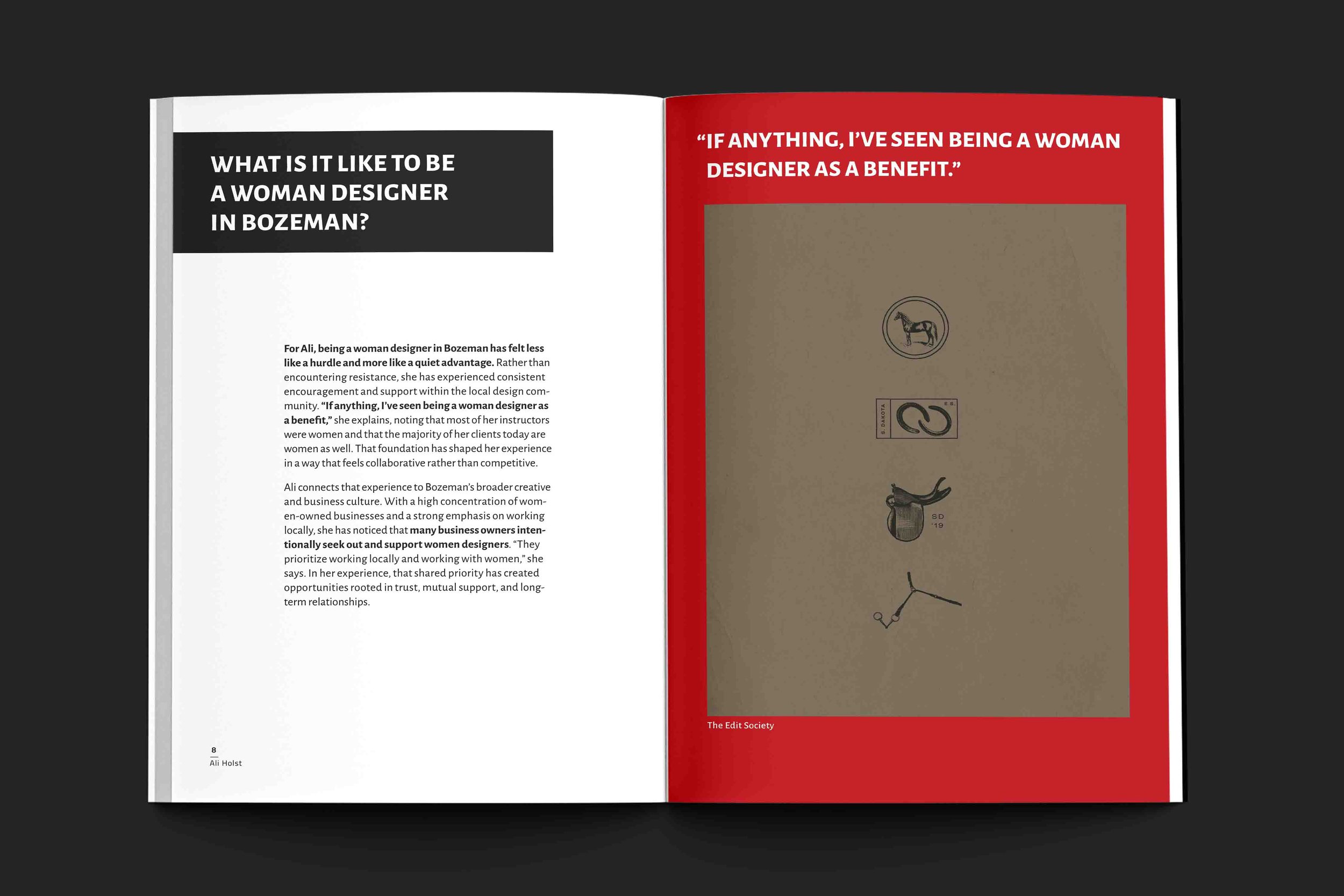
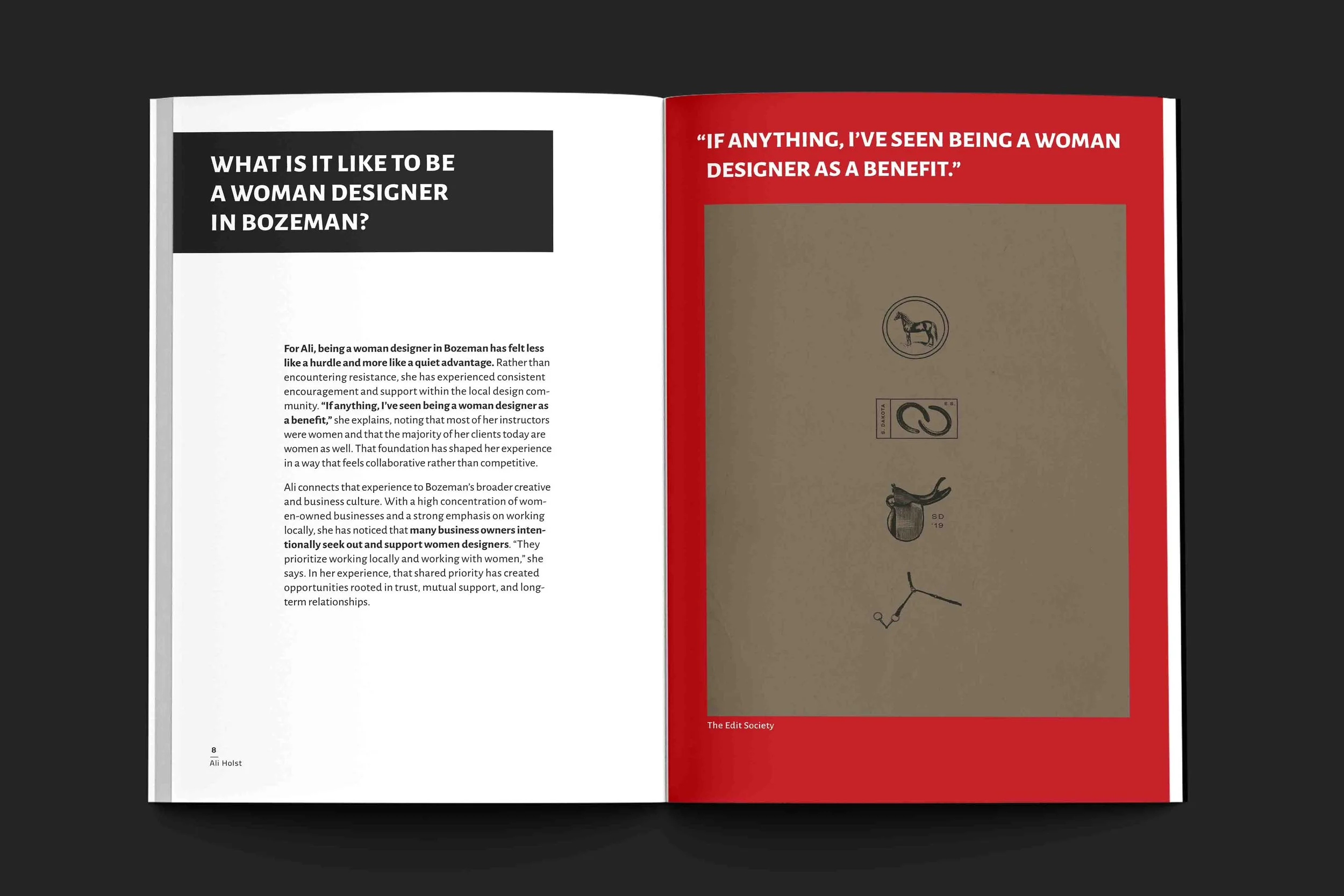
For Ali, being a woman designer in Bozeman has felt less like a hurdle and more like a quiet advantage. Rather than encountering resistance, she has experienced consistent encouragement and support within the local design community. “If anything, I’ve seen being a woman designer as a benefit,” she explains, noting that most of her instructors were women and that the majority of her clients today are women as well. That foundation has shaped her experience in a way that feels collaborative rather than competitive.
Ali connects that experience to Bozeman’s broader creative and business culture. With a high concentration of women-owned businesses and a strong emphasis on working locally, she has noticed that many business owners intentionally seek out and support women designers. “They prioritize working locally and working with women,” she says. In her experience, that shared priority has created opportunities rooted in trust, mutual support, and long-term relationships.
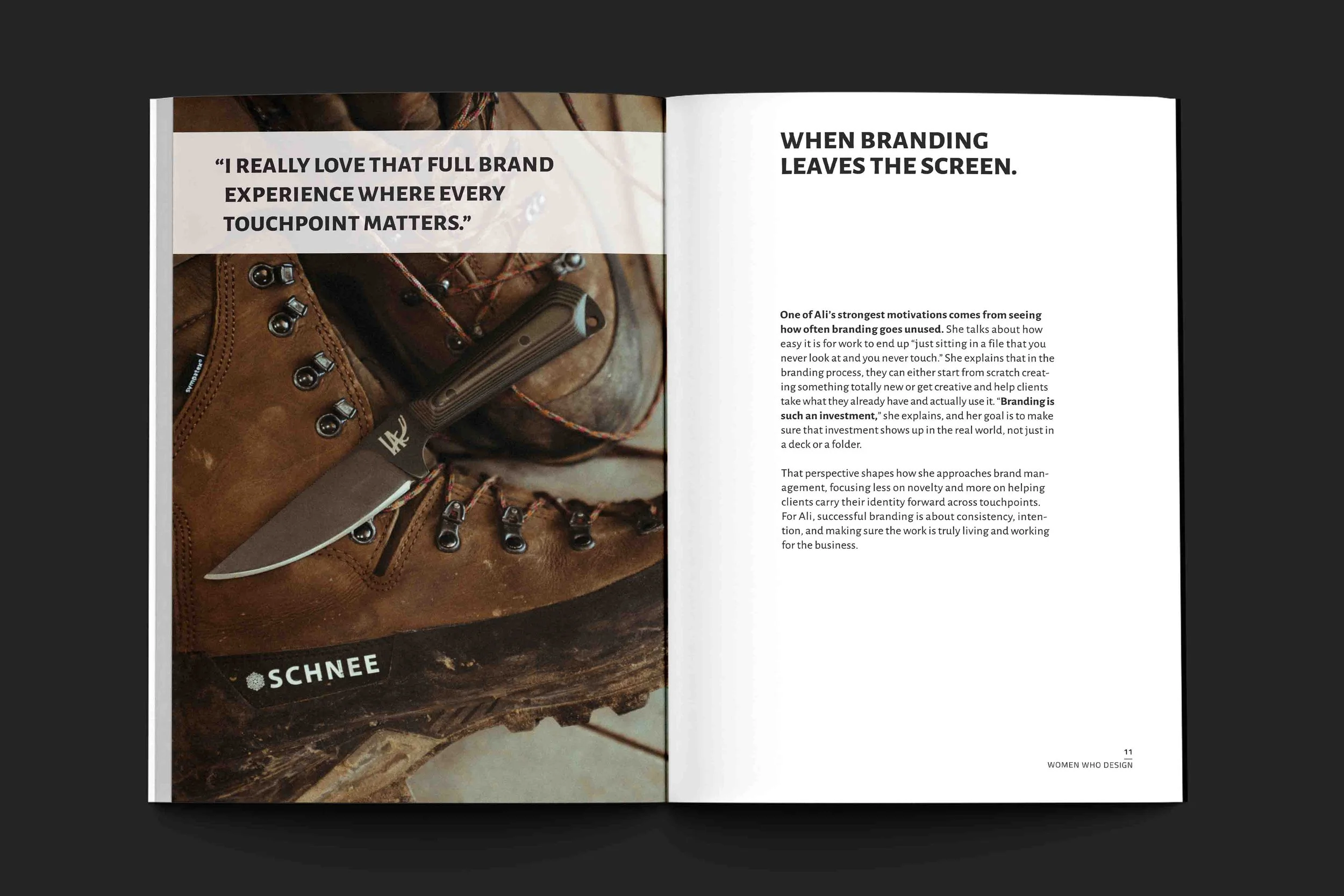
When branding leaves the screen.
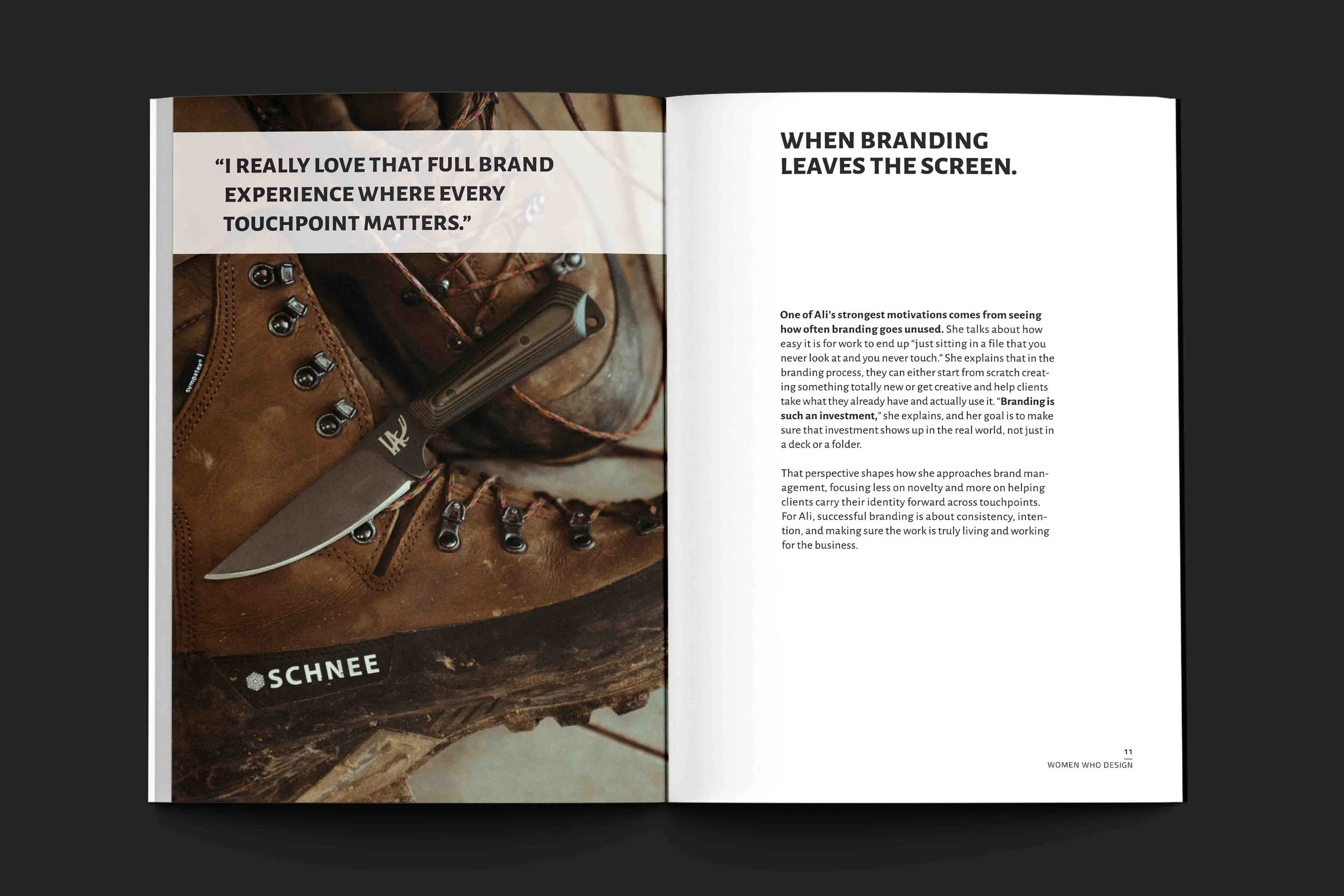
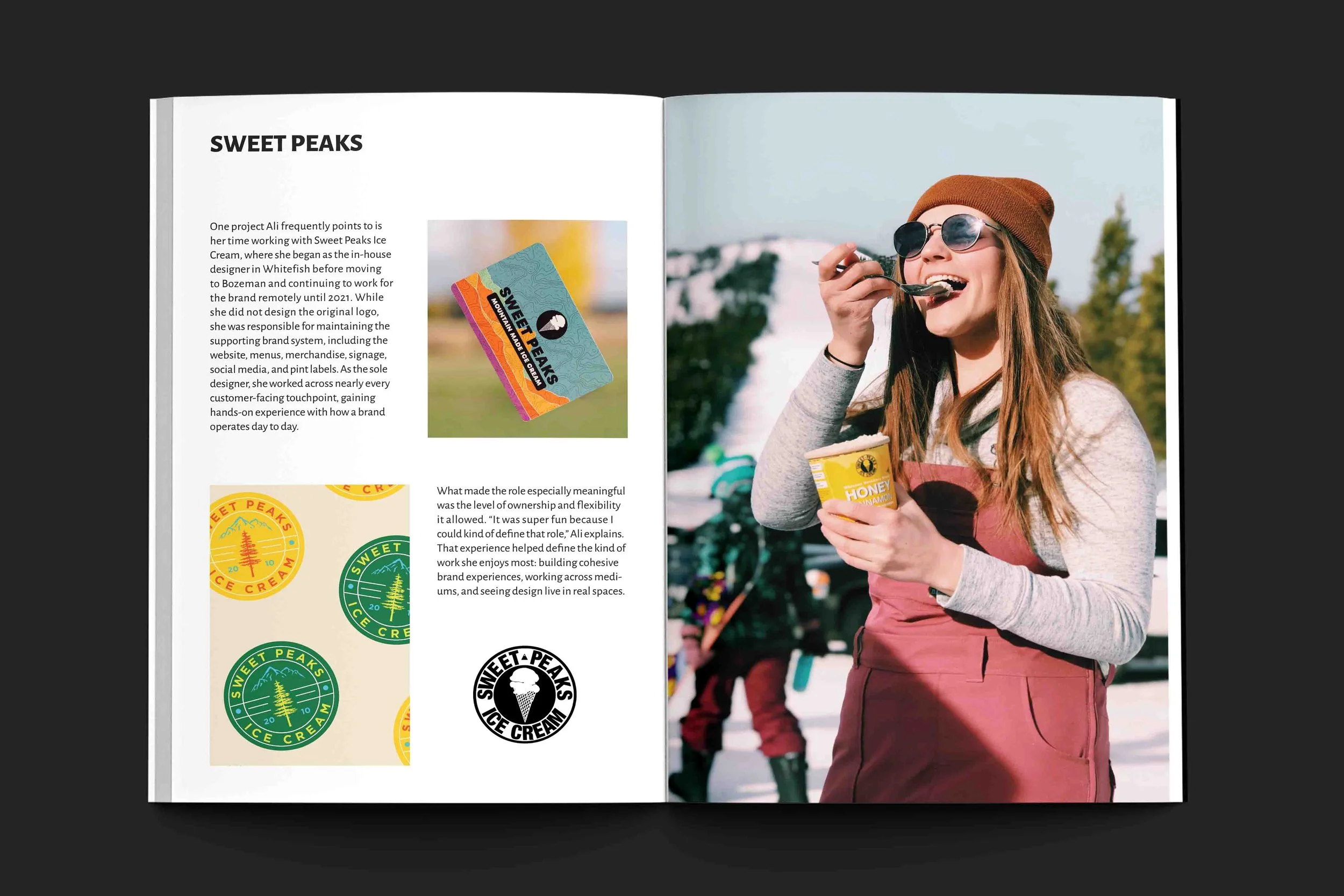
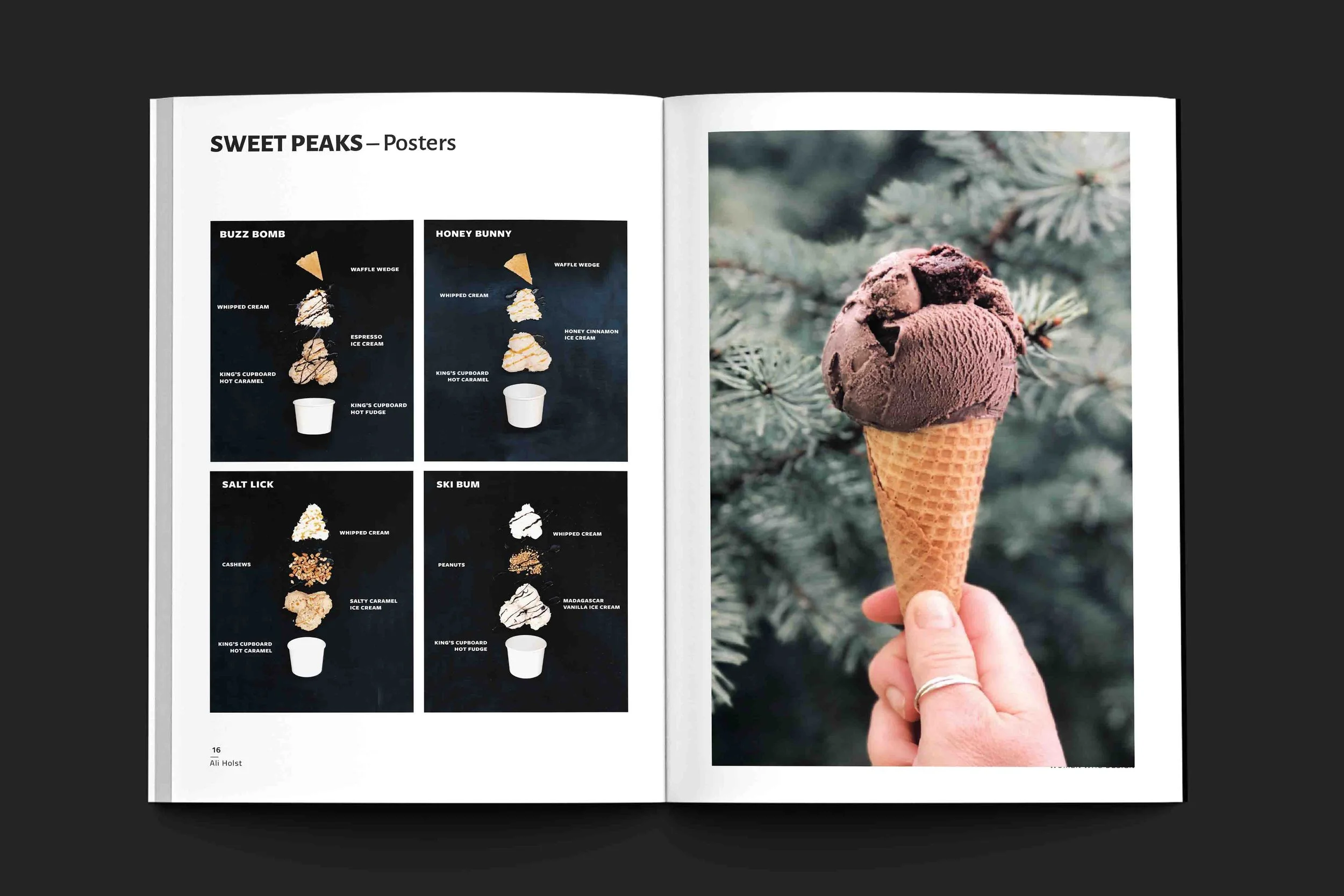
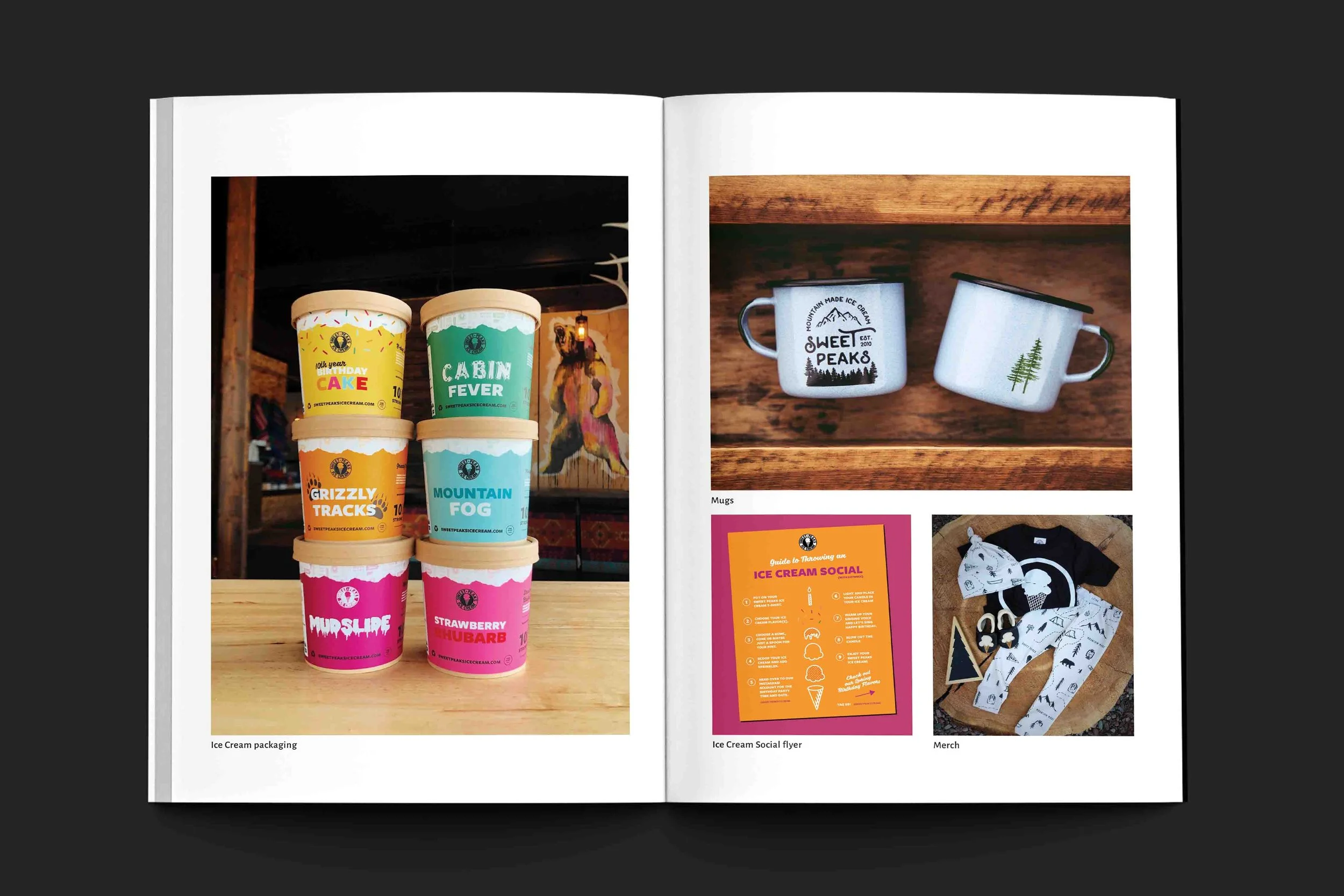
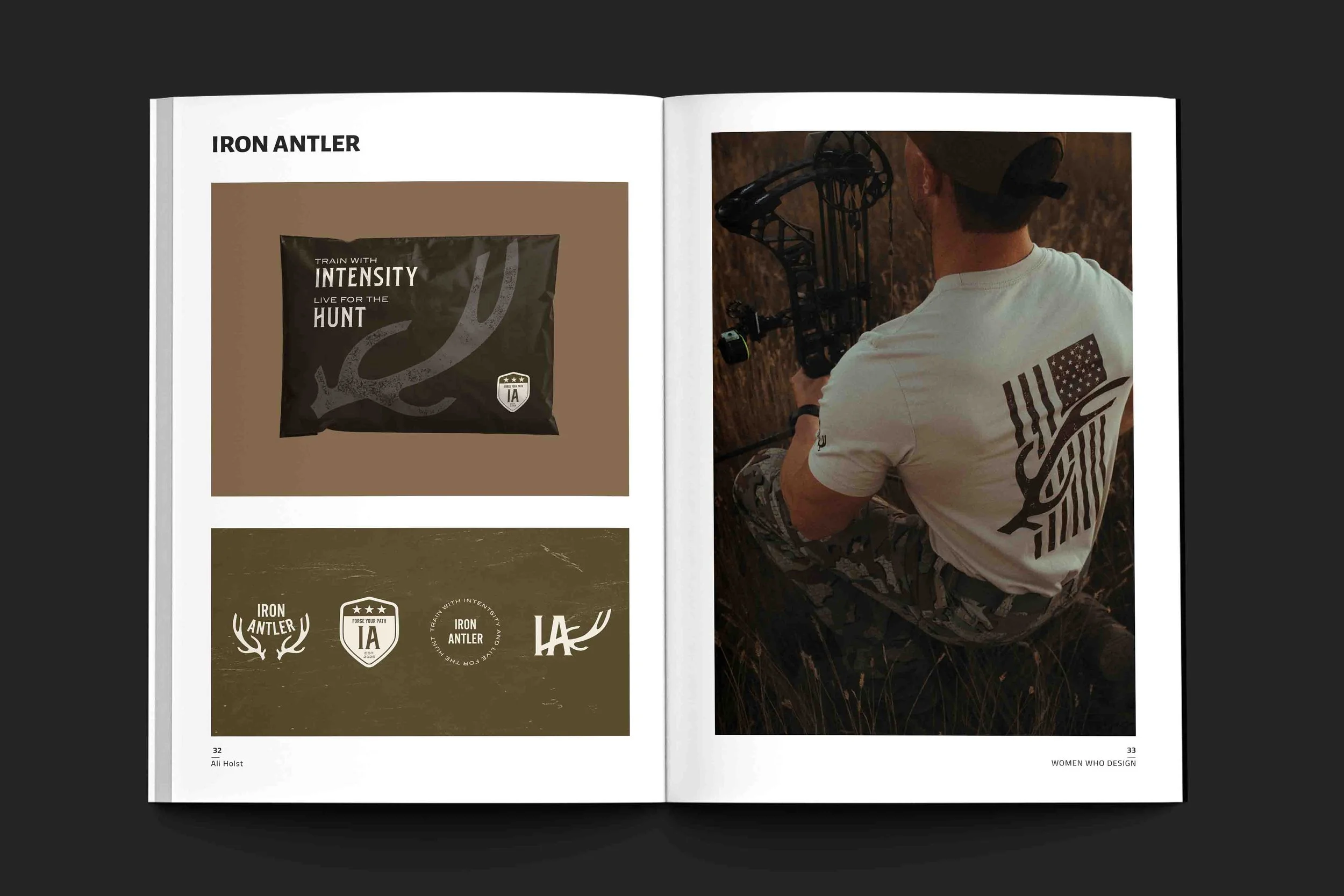
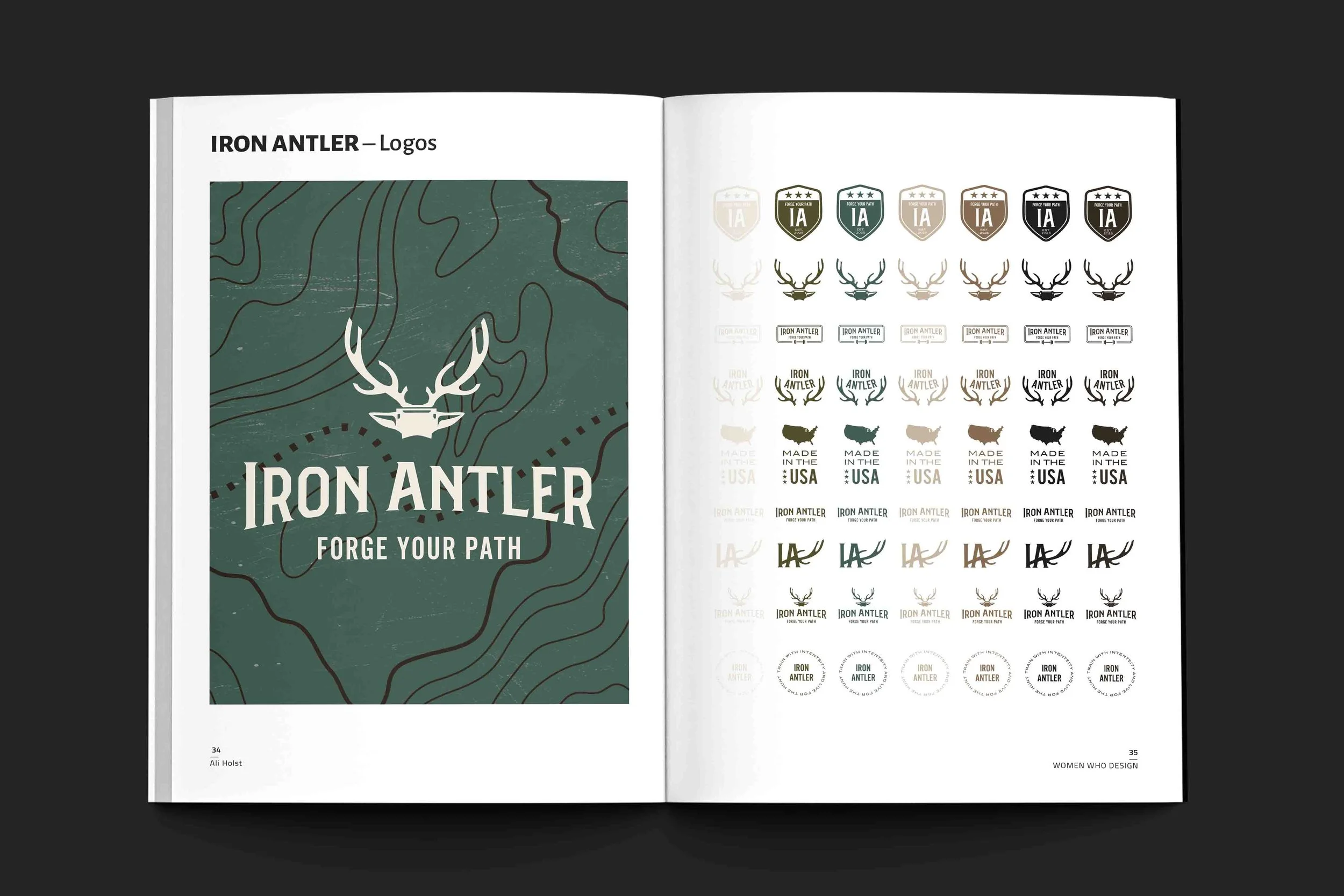
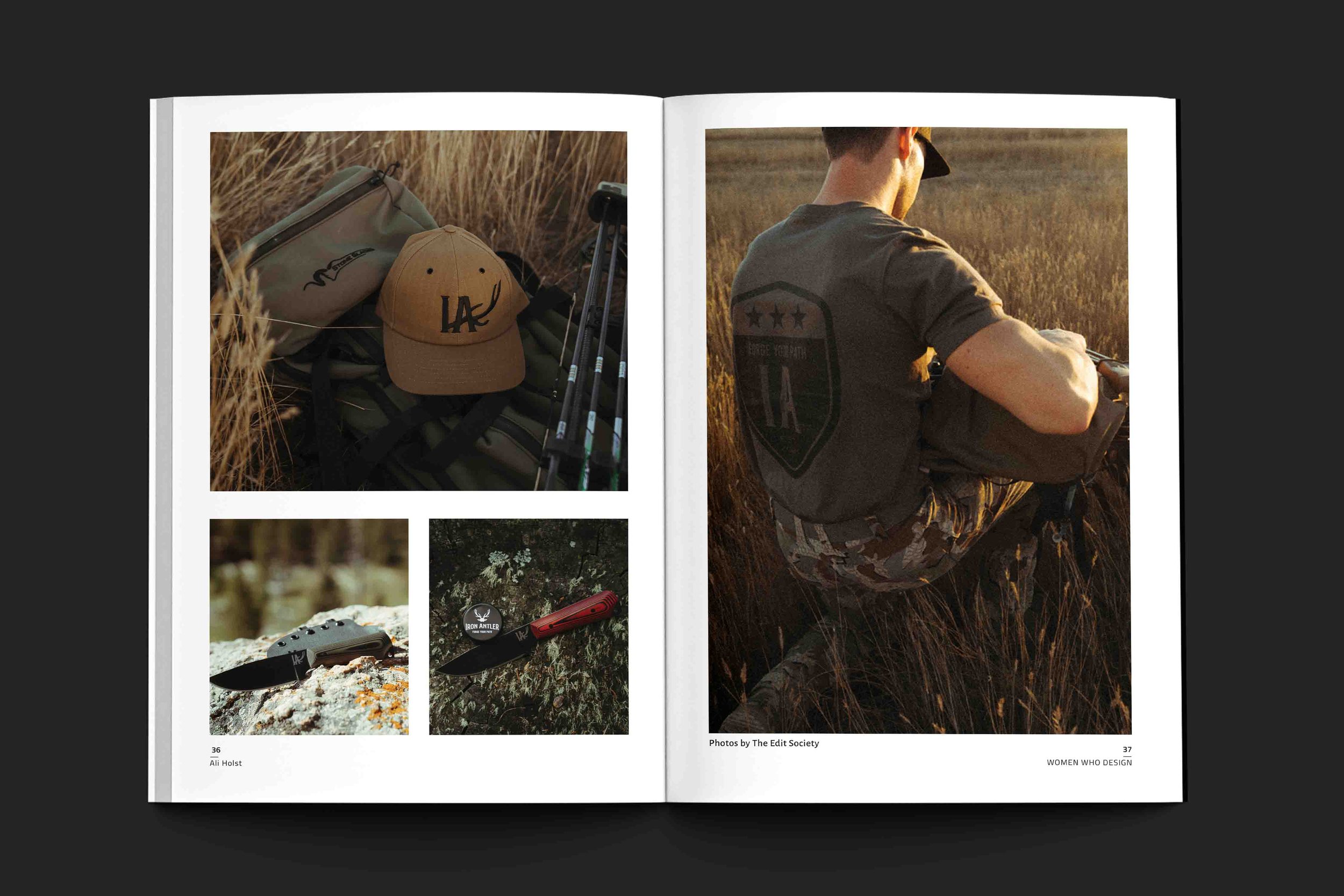
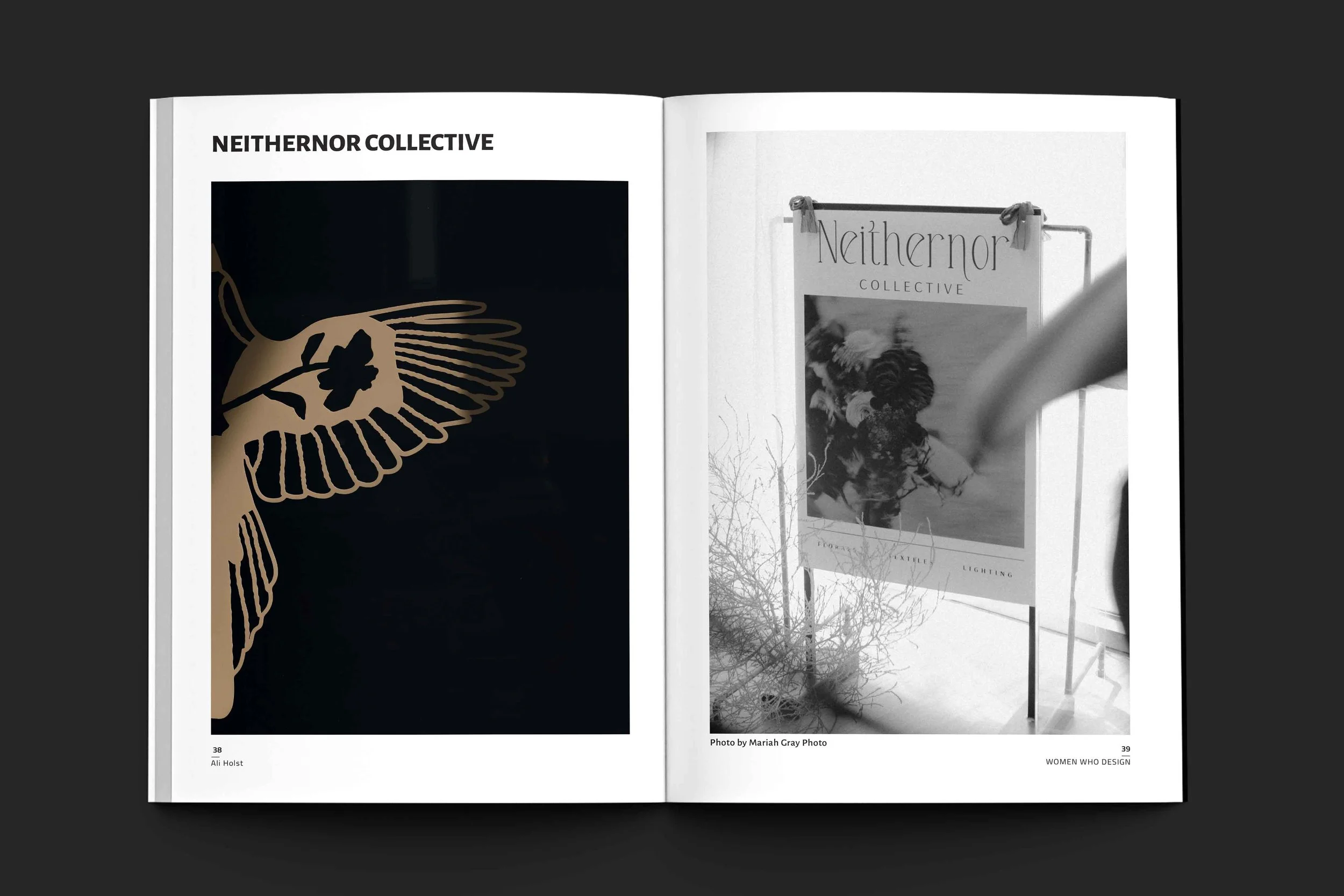
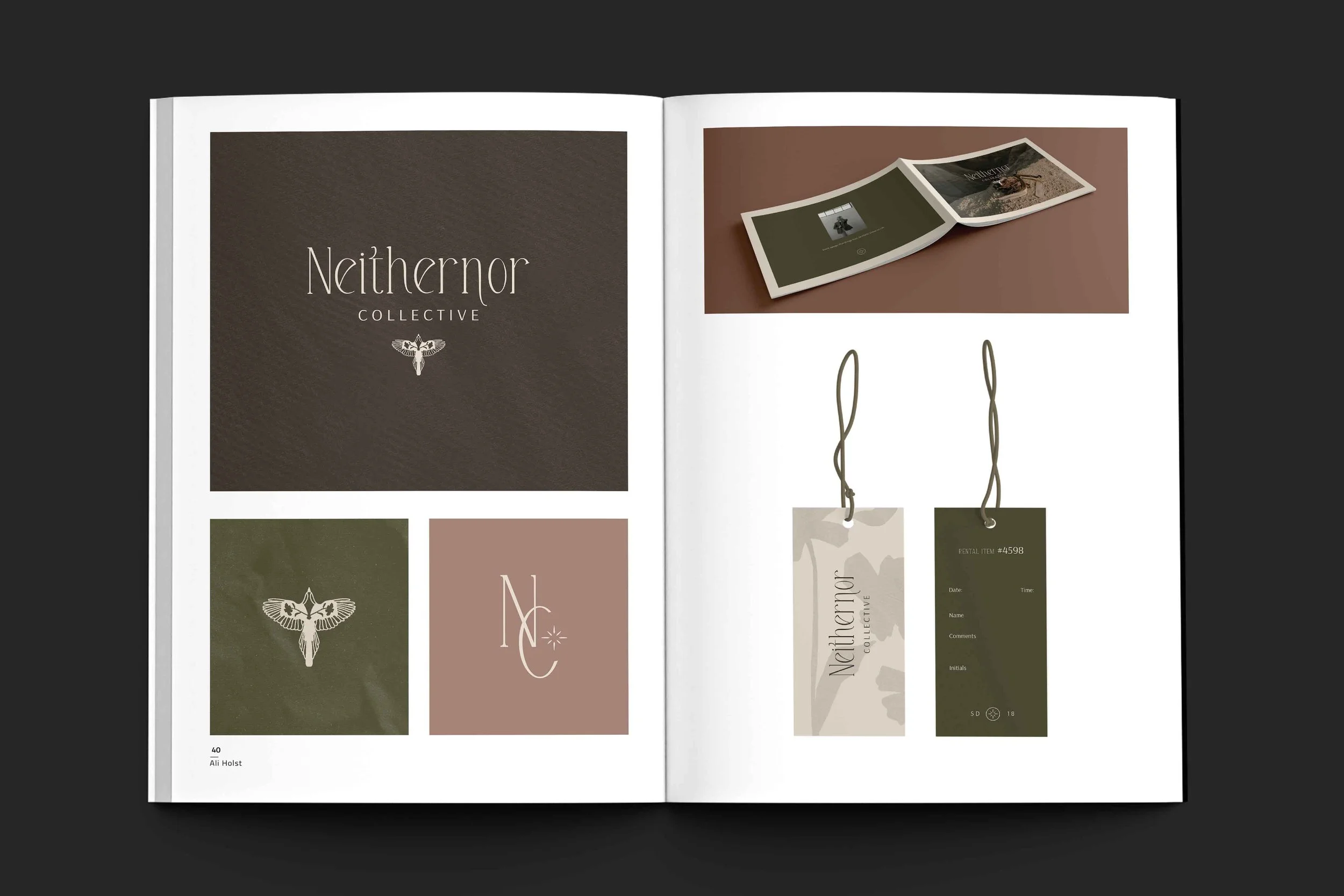
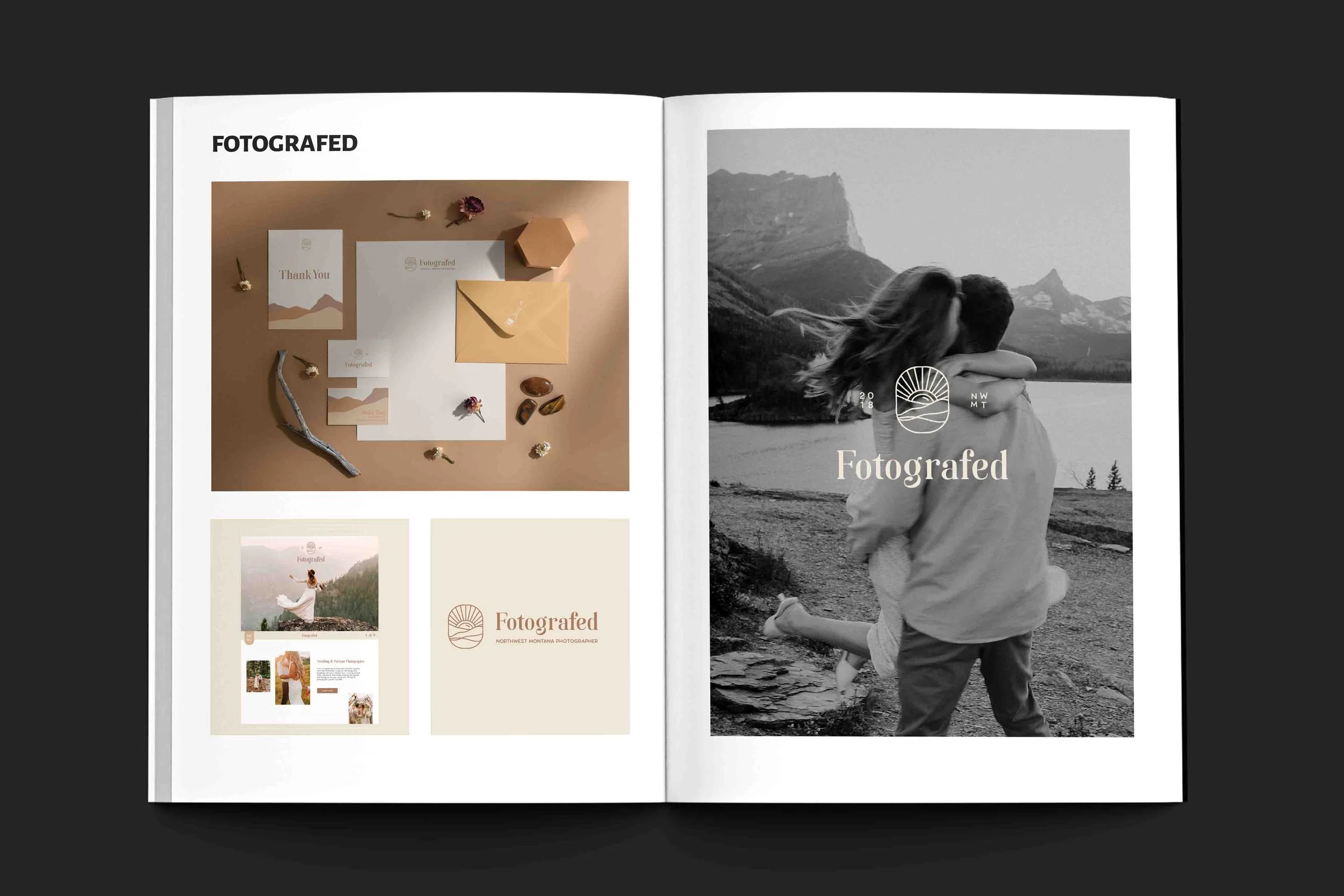
One of Ali’s strongest motivations comes from seeing how often branding goes unused. She talks about how easy it is for work to end up “just sitting in a file that you never look at and you never touch.” She explains that in the branding process, they can either start from scratch creating something totally new or get creative and help clients take what they already have and actually use it. “Branding is such an investment,” she explains, and her goal is to make sure that investment shows up in the real world, not just in a deck or a folder.
That perspective shapes how she approaches brand management, focusing less on novelty and more on helping clients carry their identity forward across touchpoints. For Ali, successful branding is about consistency, intention, and making sure the work is truly living and working for the business.
What advice would you give to young women entering design?
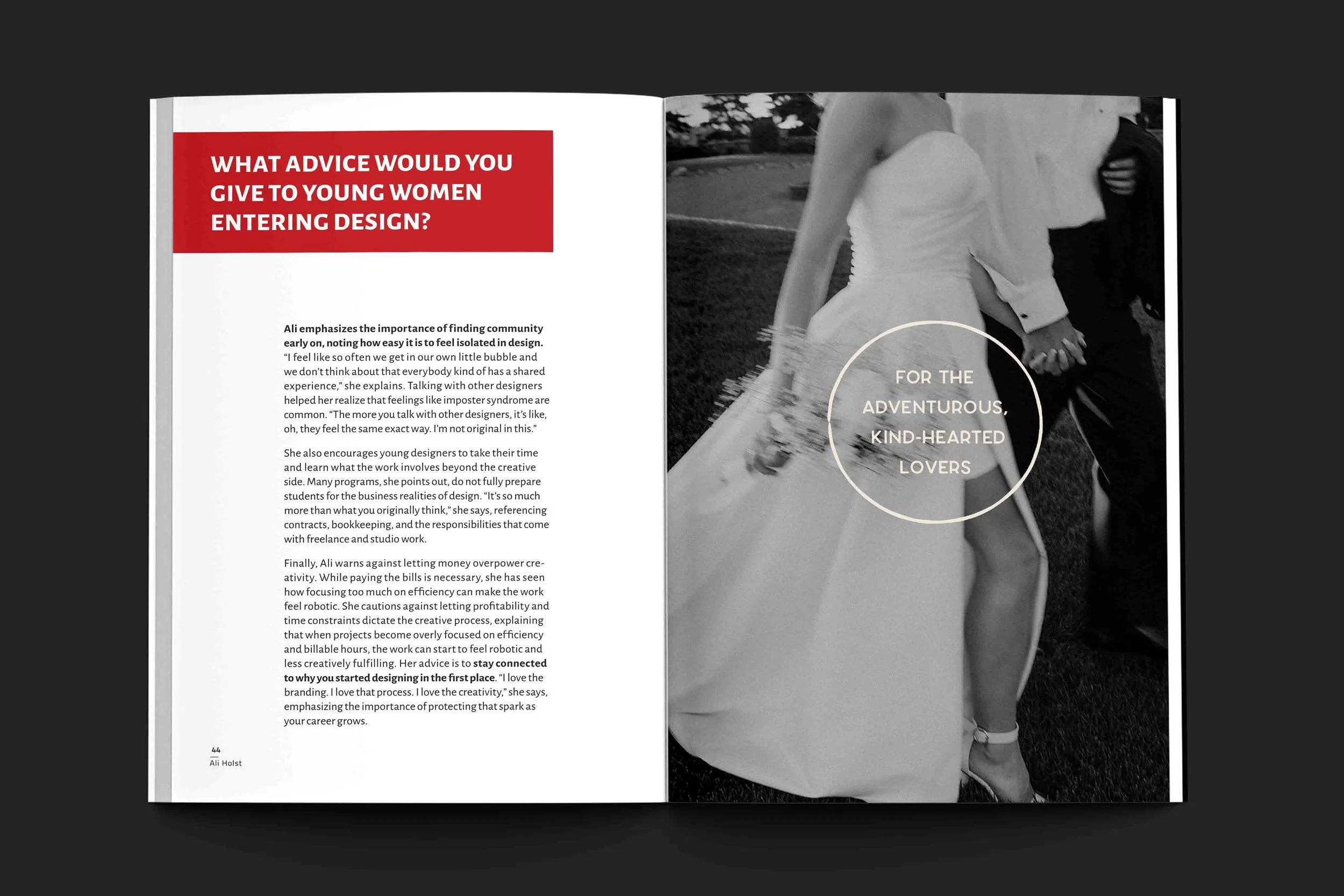
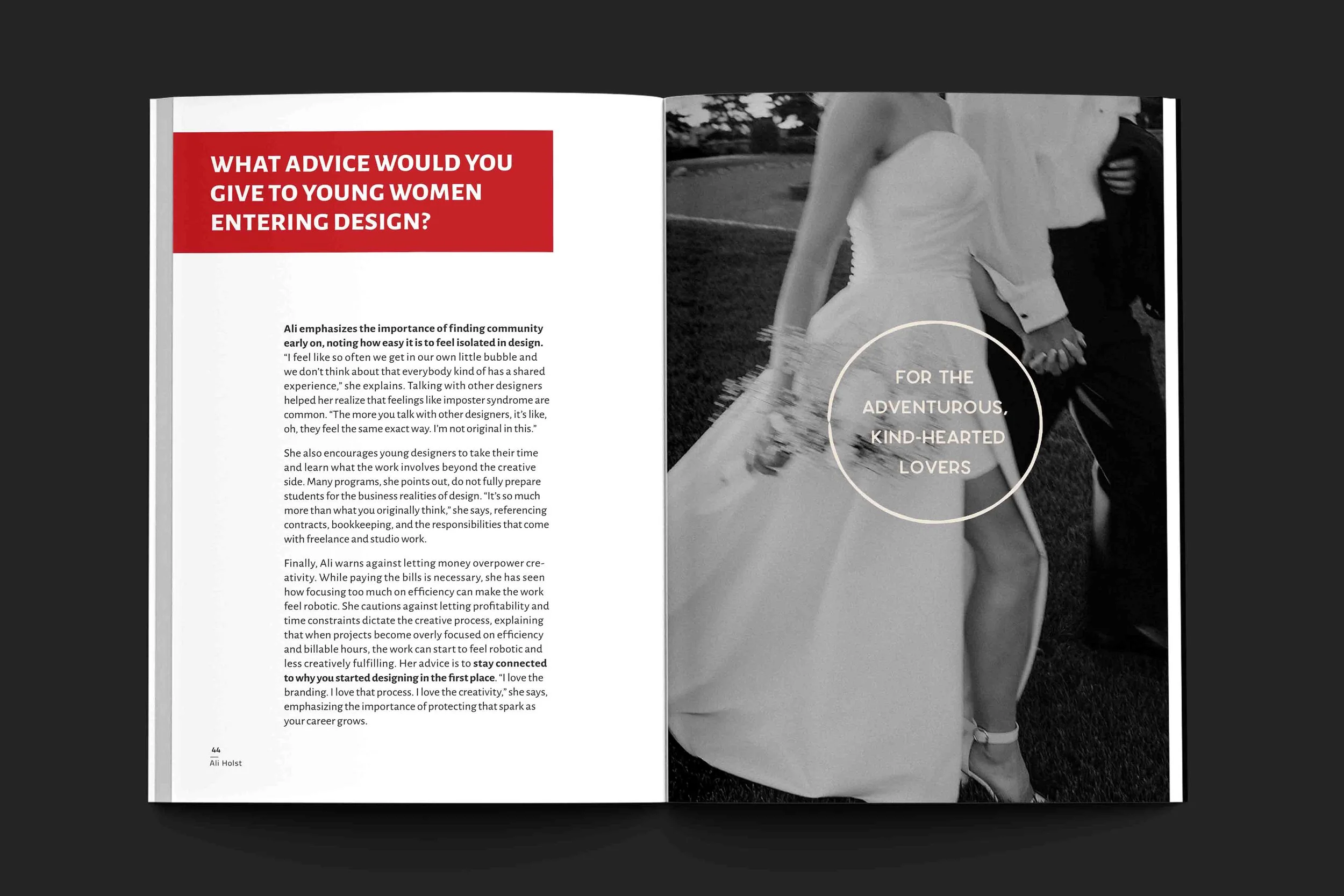
Ali emphasizes the importance of finding community early on, noting how easy it is to feel isolated in design. “I feel like so often we get in our own little bubble and we don’t think about that everybody kind of has a shared experience,” she explains. Talking with other designers helped her realize that feelings like imposter syndrome are common. “The more you talk with other designers, it’s like, oh, they feel the same exact way. I’m not original in this.”
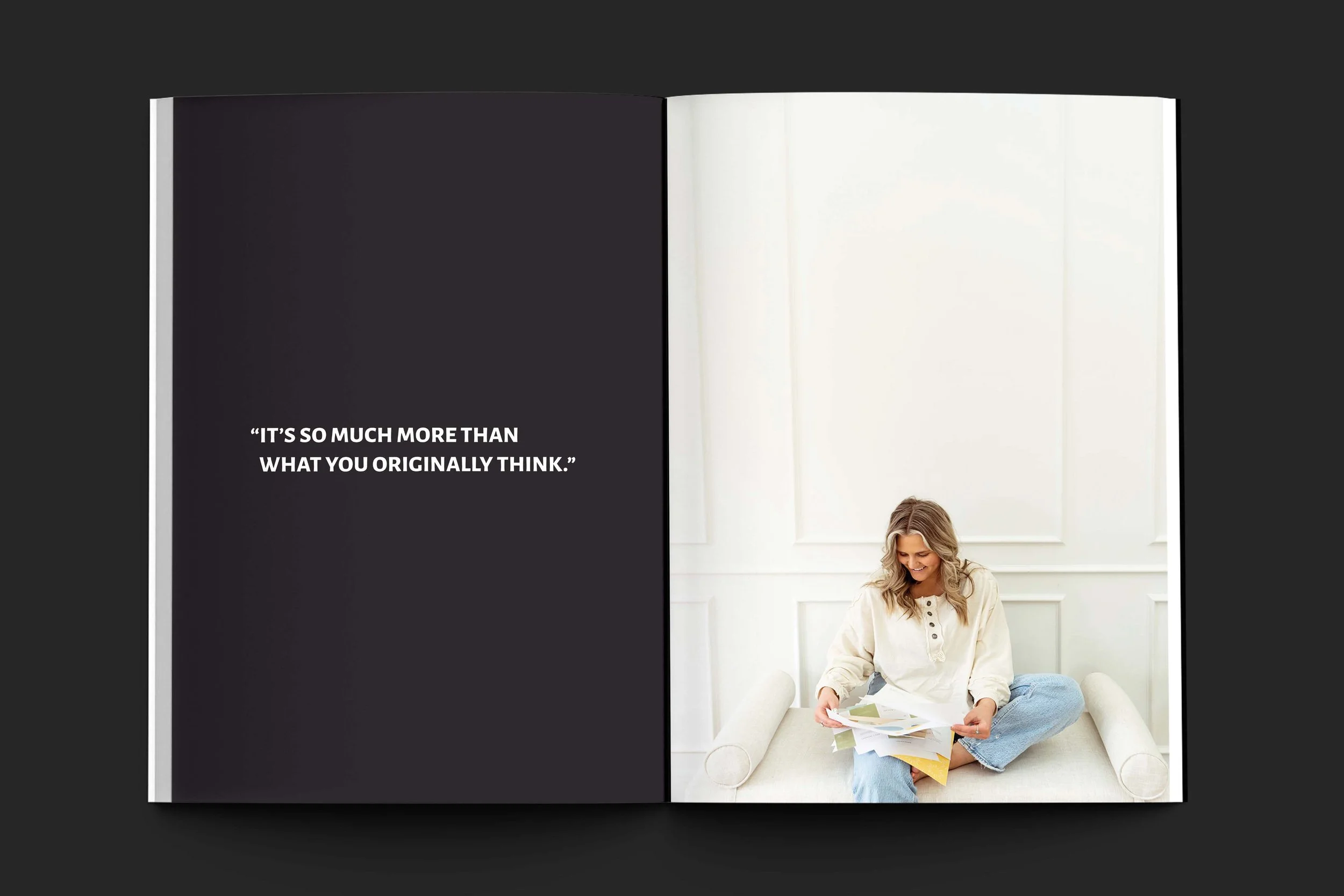
She also encourages young designers to take their time and learn what the work involves beyond the creative side. Many programs, she points out, do not fully prepare students for the business realities of design. “It’s so much more than what you originally think,” she says, referencing contracts, bookkeeping, and the responsibilities that come with freelance and studio work.
Finally, Ali warns against letting money overpower creativity. While paying the bills is necessary, she has seen how focusing too much on efficiency can make the work feel robotic. She cautions against letting profitability and time constraints dictate the creative process, explaining that when projects become overly focused on efficiency and billable hours, the work can start to feel robotic and less creatively fulfilling. Her advice is to stay connected to why you started designing in the first place. “I love the branding. I love that process. I love the creativity,” she says, emphasizing the importance of protecting that spark as your career grows.

“If anything, I’ve seen being a woman designer as a benefit.”
— Ali Holst