
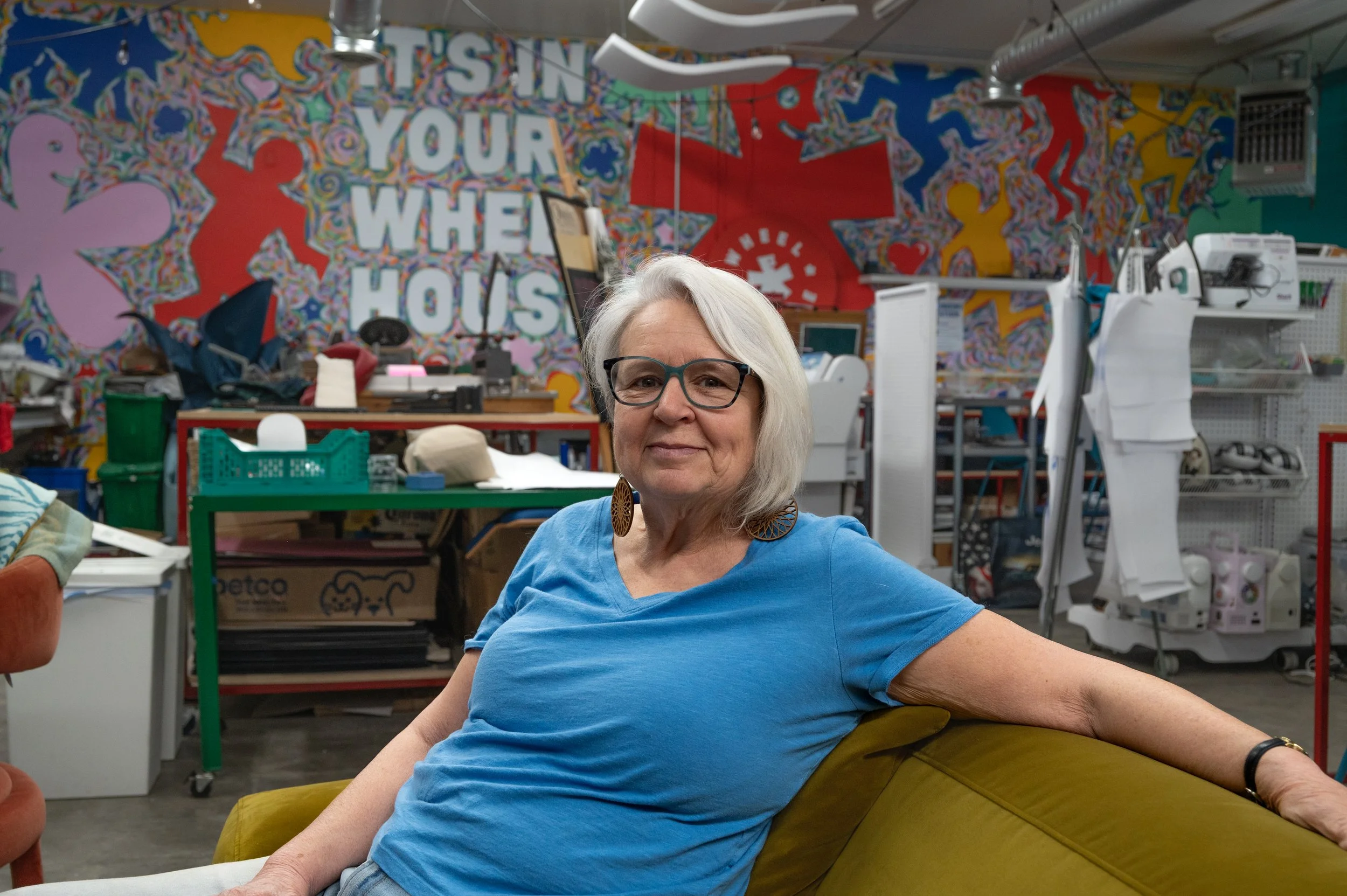
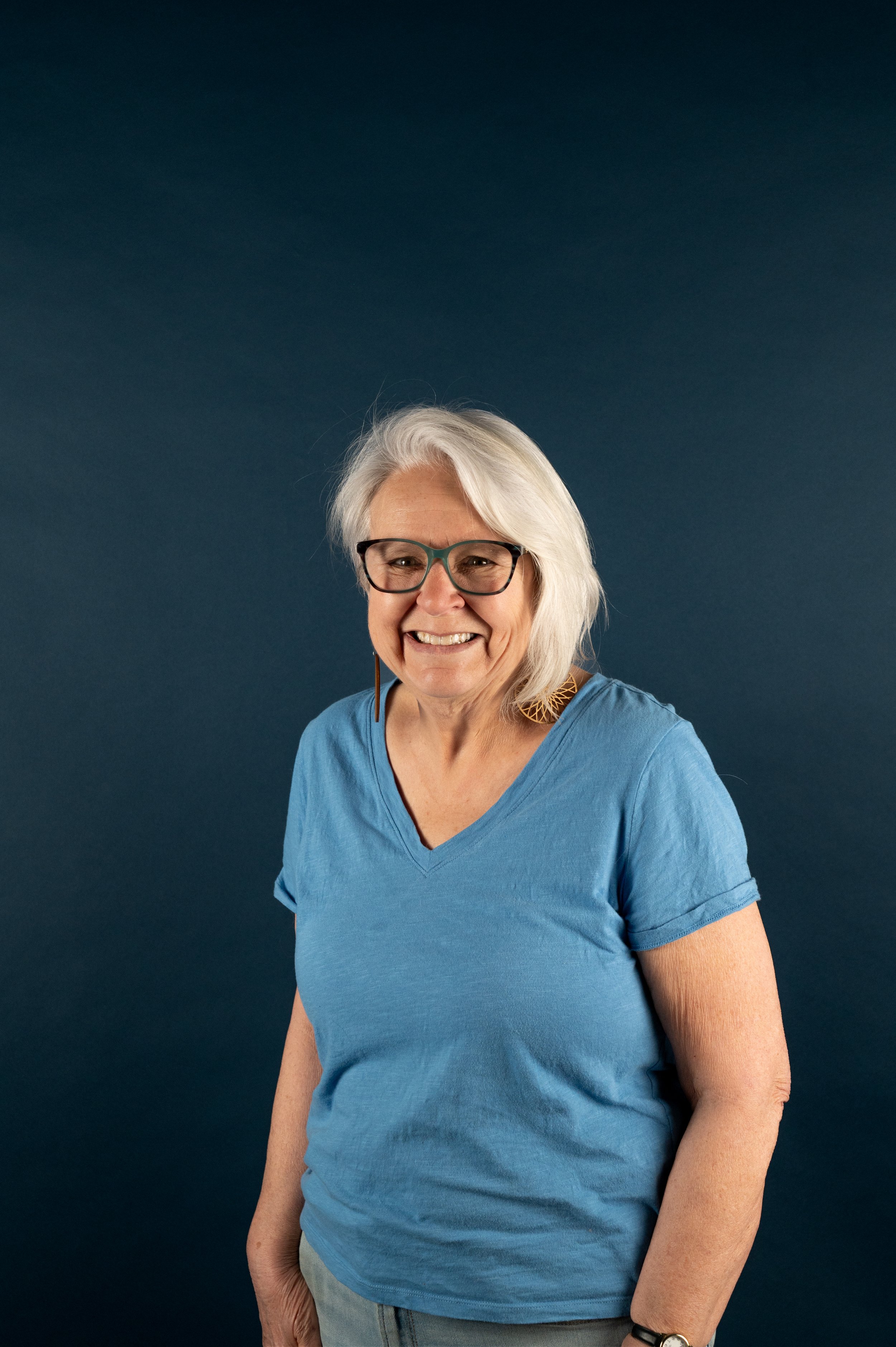
Stephanie Newman
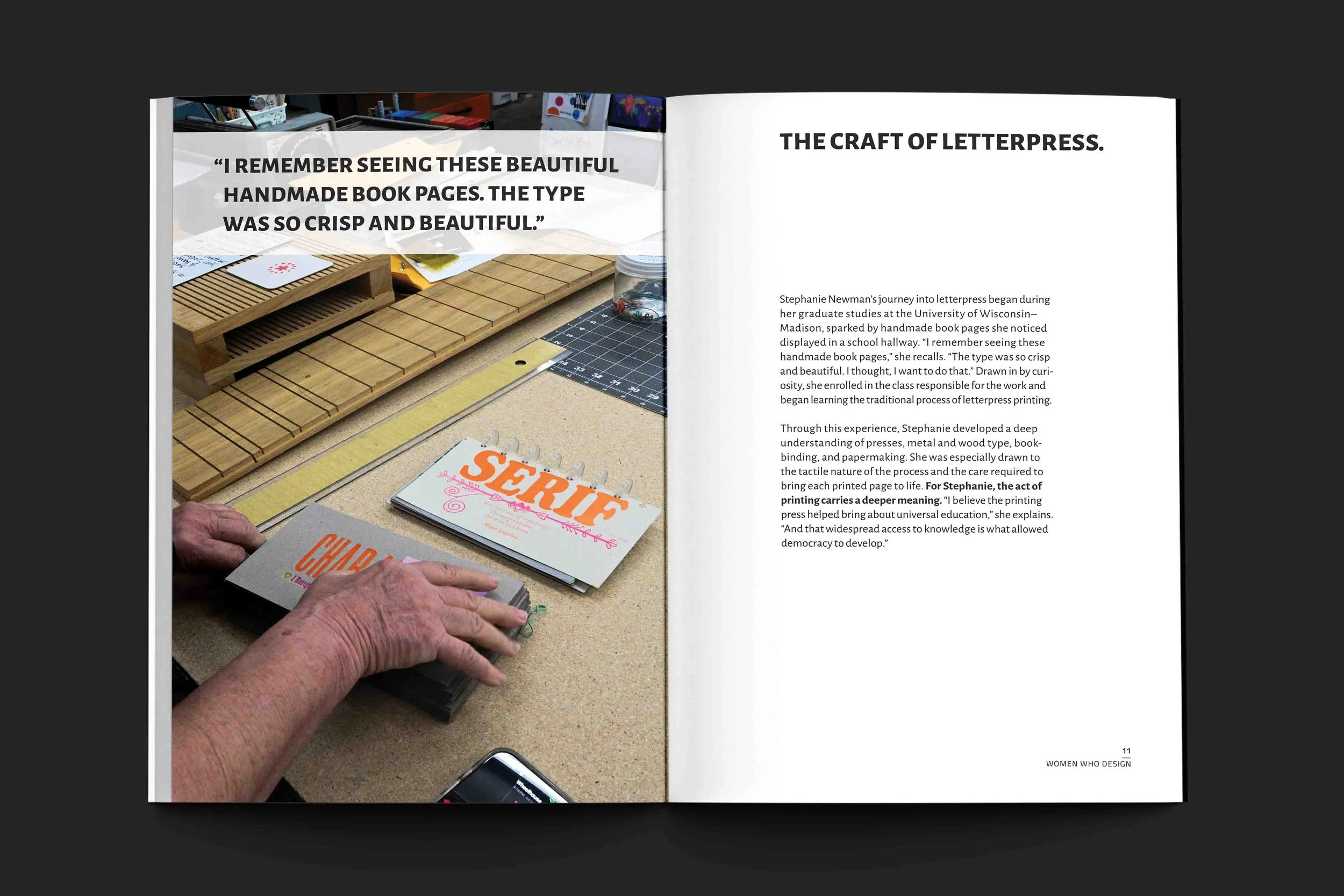
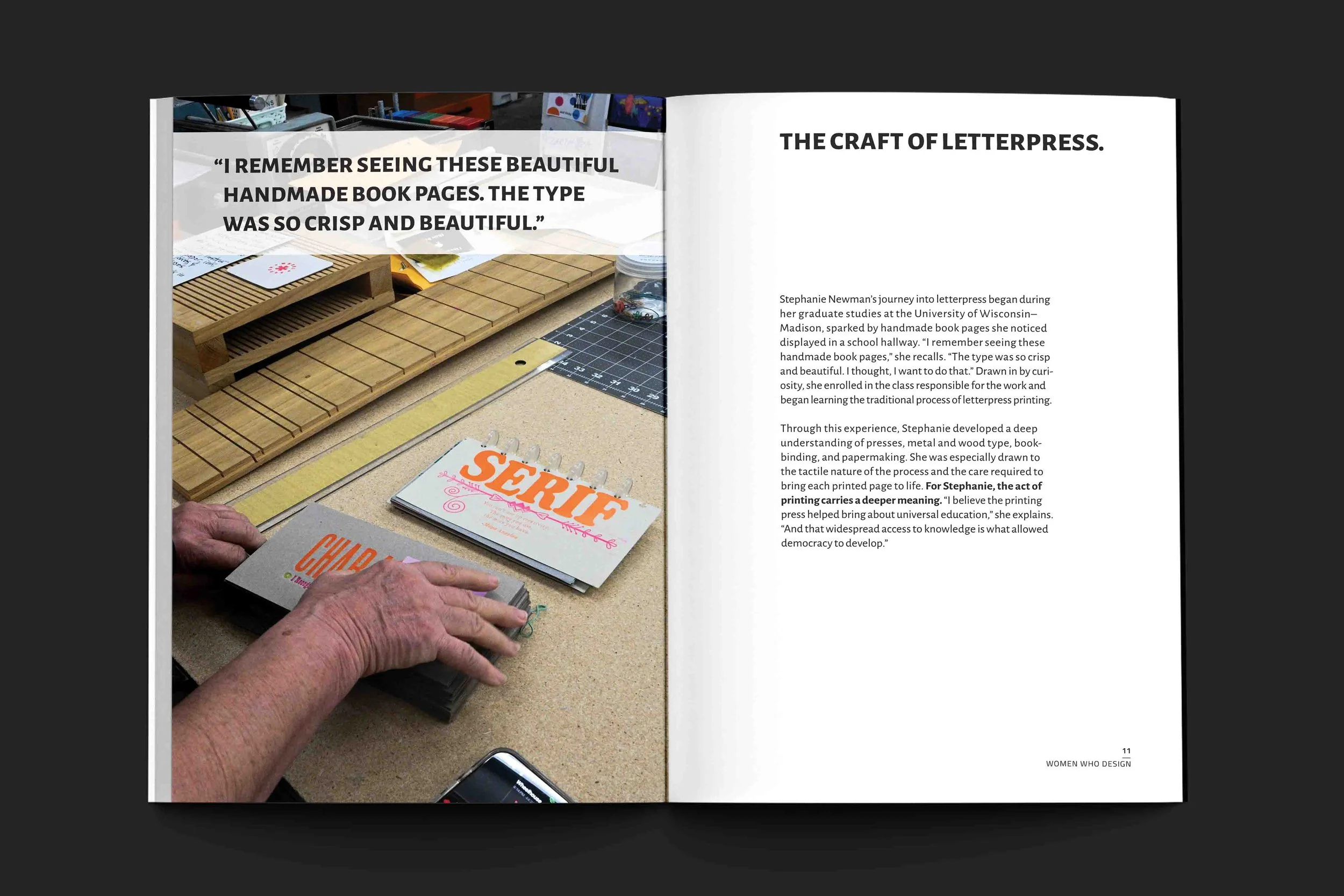
“I remember seeing these beautiful handmade book pages. The type was so crisp and beautiful.”
— Stephanie Newman
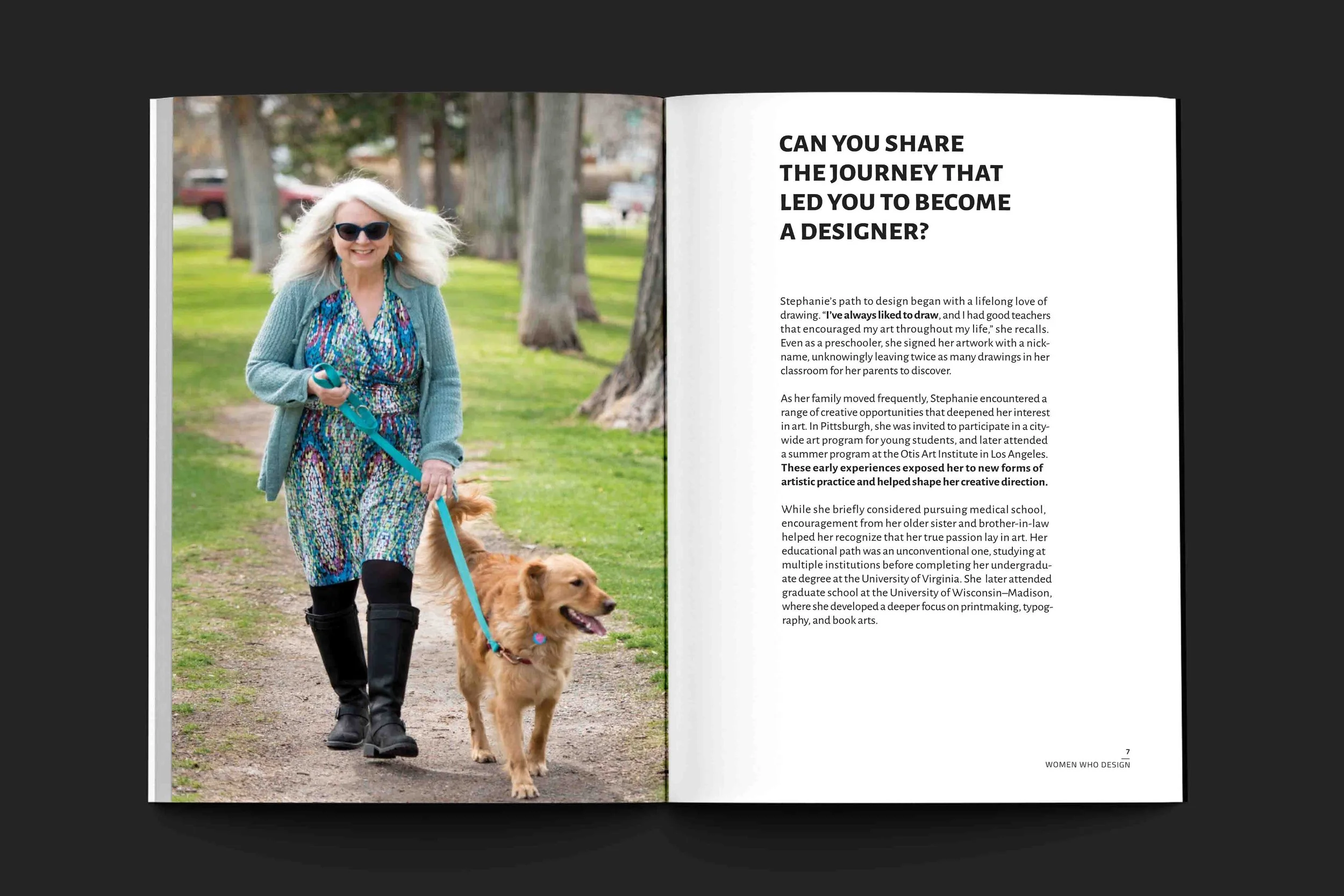
Can you share the journey that led you to become a designer?
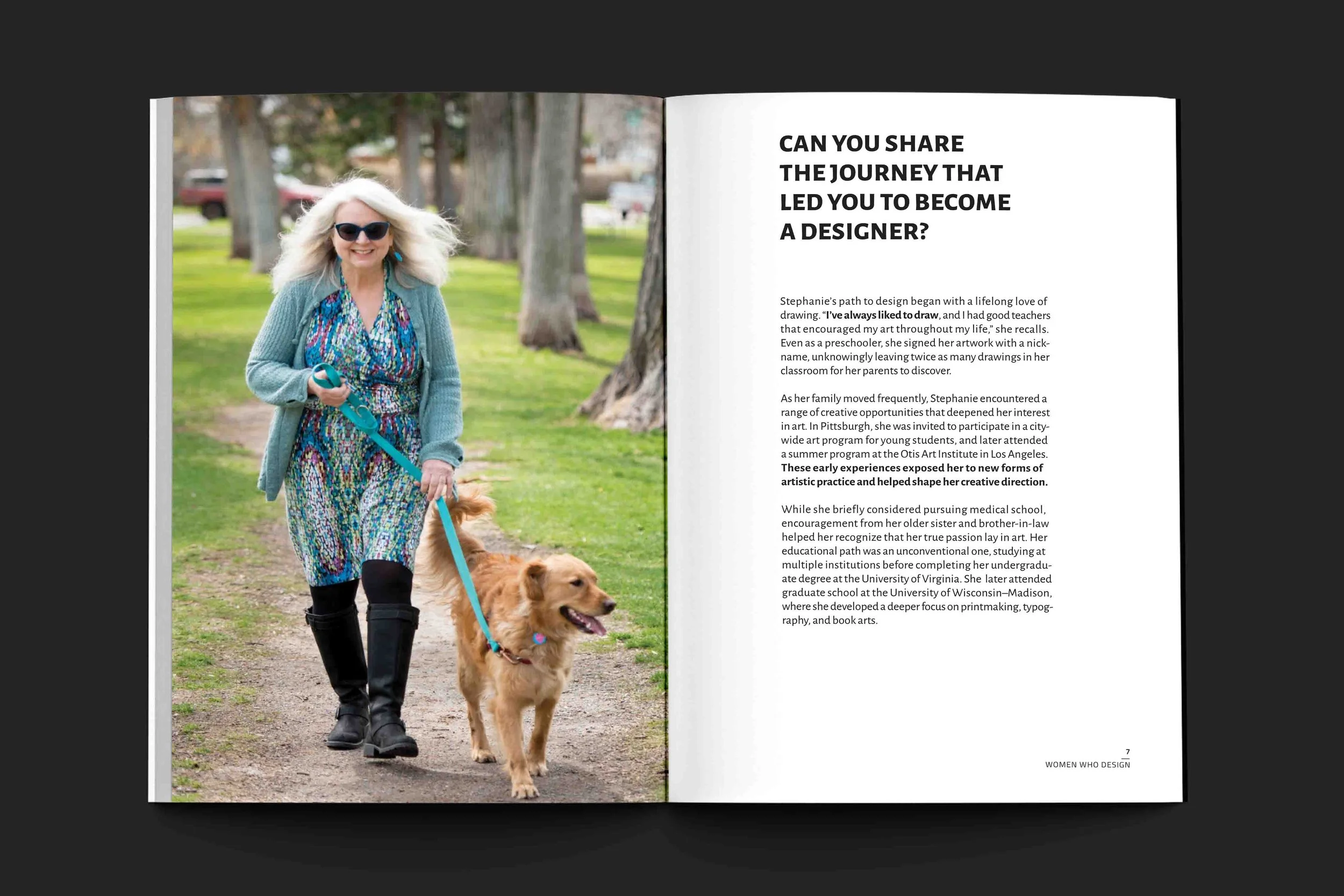
Stephanie’s path to design began with a lifelong love of drawing. “I’ve always liked to draw, and I had good teachers that encouraged my art throughout my life,” she recalls. Even as a preschooler, she signed her artwork with a nickname, unknowingly leaving twice as many drawings in her classroom for her parents to discover.
As her family moved frequently, Stephanie encountered a range of creative opportunities that deepened her interest in art. In Pittsburgh, she was invited to participate in a citywide art program for young students, and later attended a summer program at the Otis Art Institute in Los Angeles. These early experiences exposed her to new forms of artistic practice and helped shape her creative direction.
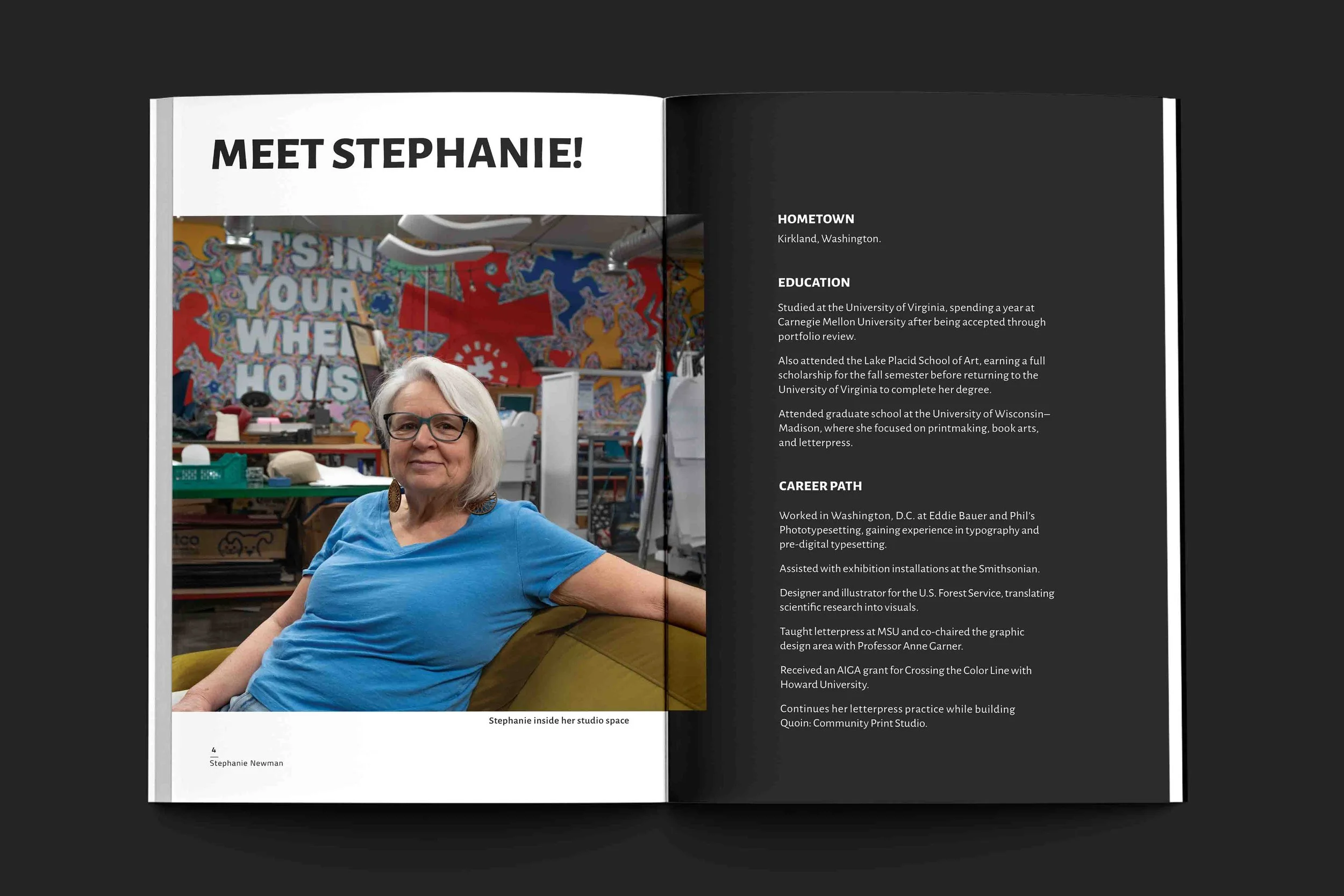
While she briefly considered pursuing medical school, encouragement from her older sister and brother-in-law helped her recognize that her true passion lay in art. Her educational path was an unconventional one, studying at multiple institutions before completing her undergraduate degree at the University of Virginia. She later attended graduate school at the University of Wisconsin–Madison, where she developed a deeper focus on printmaking, typography, and book arts.
What is it like to be a woman designer in Bozeman?
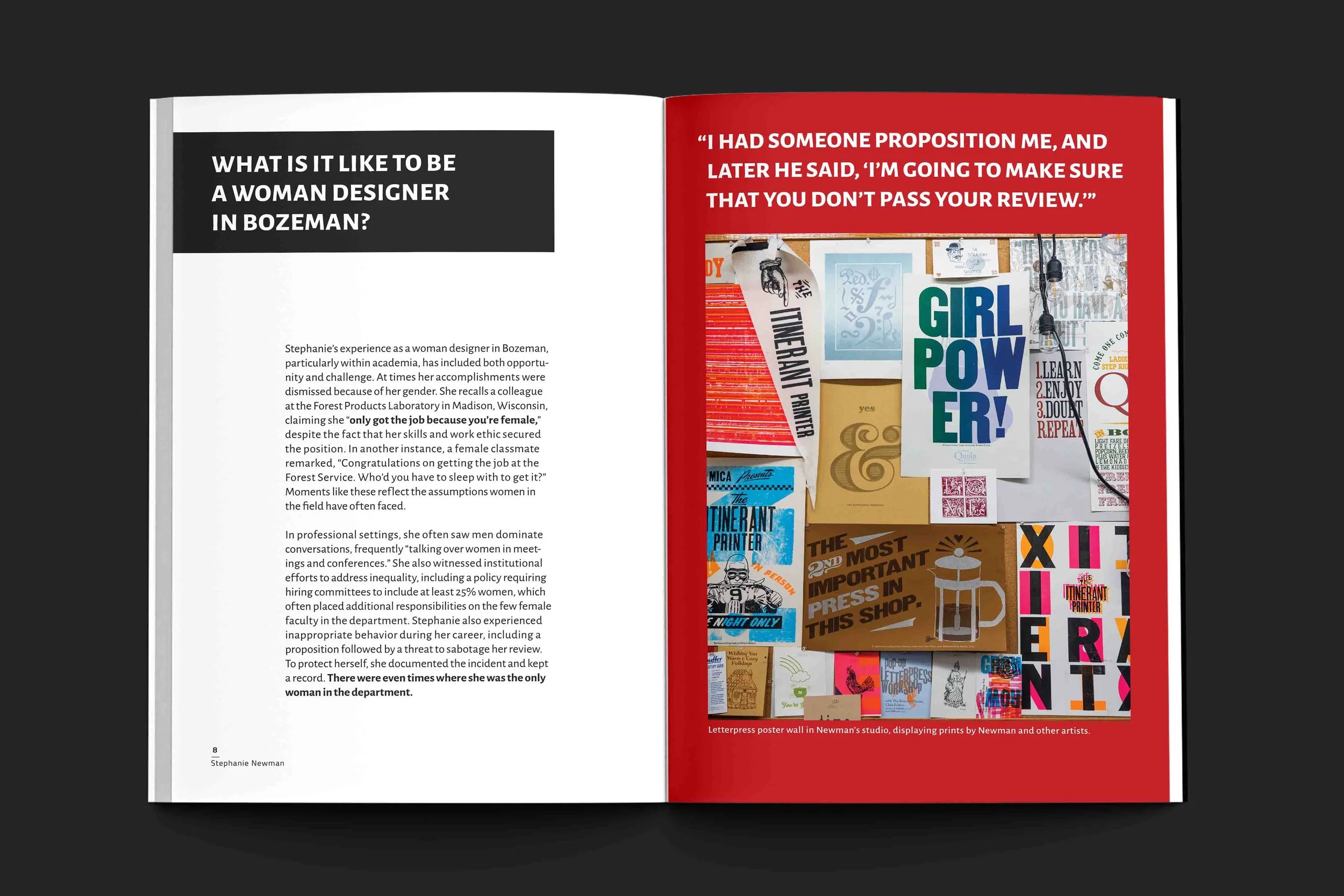
Stephanie’s experience as a woman designer in Bozeman, particularly within academia, has included both opportunity and challenge. At times her accomplishments were dismissed because of her gender. She recalls a colleague at the Forest Products Laboratory in Madison, Wisconsin, claiming she “only got the job because you’re female,” despite the fact that her skills and work ethic secured the position. In another instance, a female classmate remarked, “Congratulations on getting the job at the Forest Service. Who’d you have to sleep with to get it?” Moments like these reflect the assumptions women in
the field have often faced.
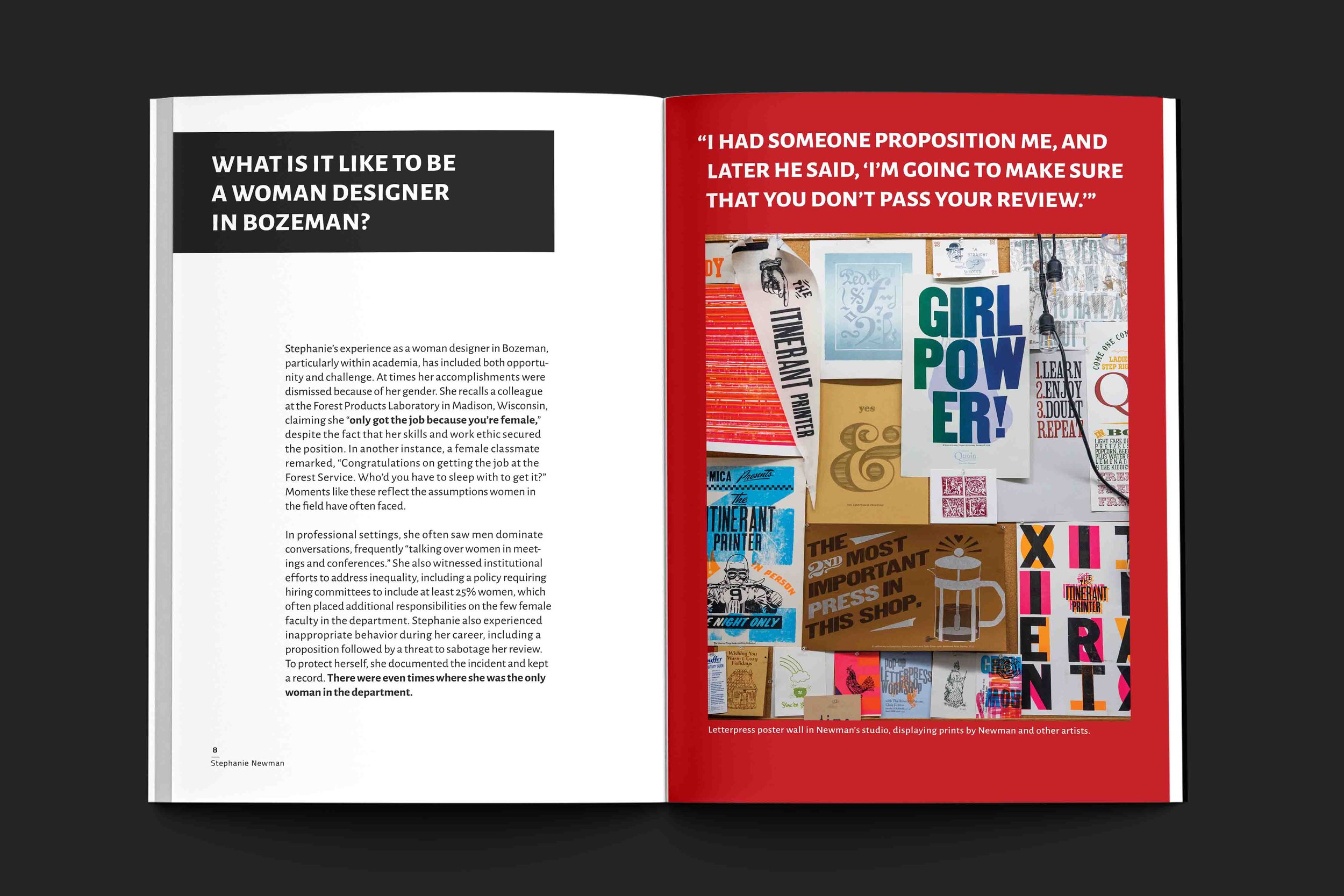
In professional settings, she often saw men dominate conversations, frequently “talking over women in meetings and conferences.” She also witnessed institutional efforts to address inequality, including a policy requiring hiring committees to include at least 25% women, which often placed additional responsibilities on the few female faculty in the department. Stephanie also experienced inappropriate behavior during her career, including a proposition followed by a threat to sabotage her review. To protect herself, she documented the incident and kept a record. There were even times where she was the only woman in the department.
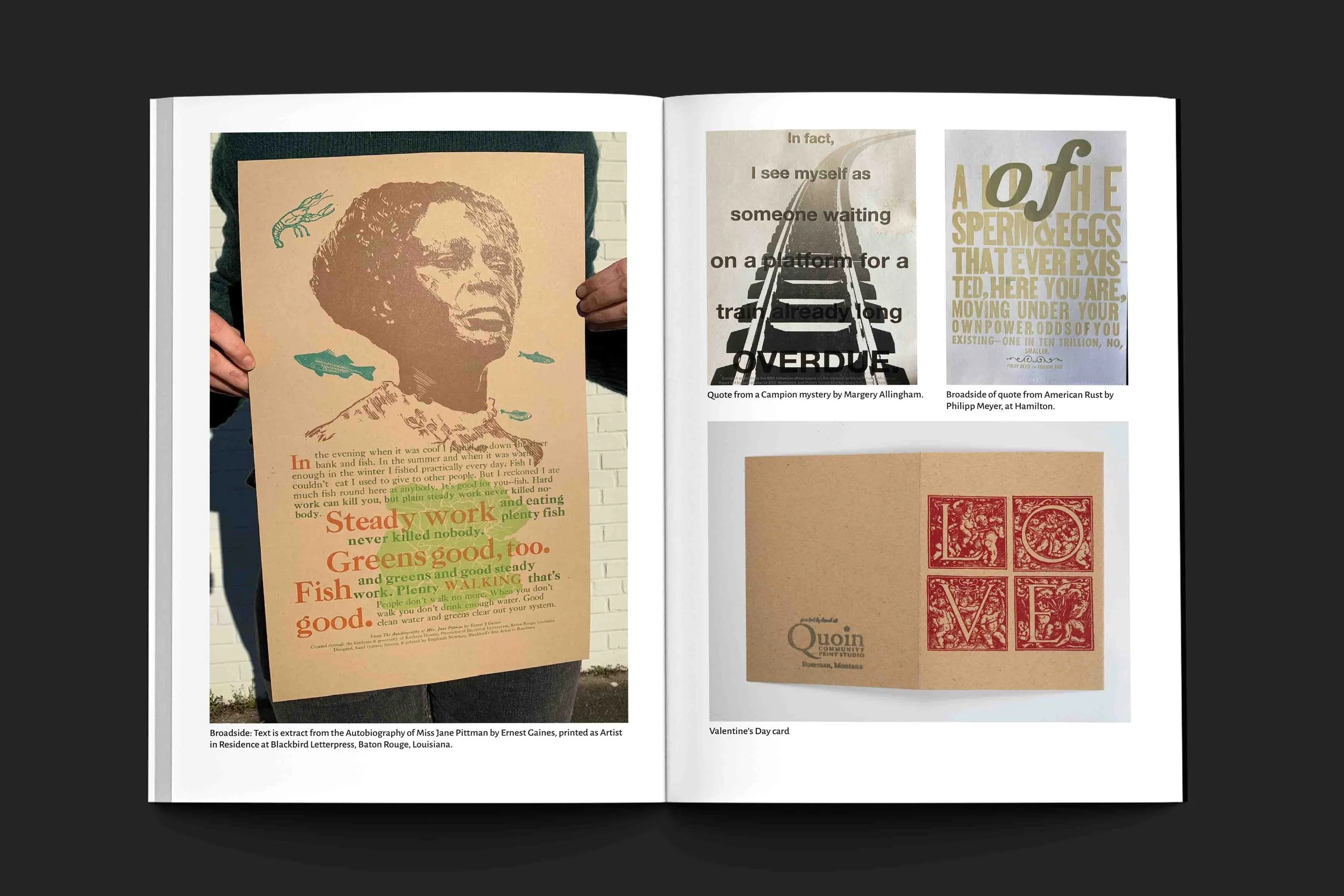
The craft of letterpress.
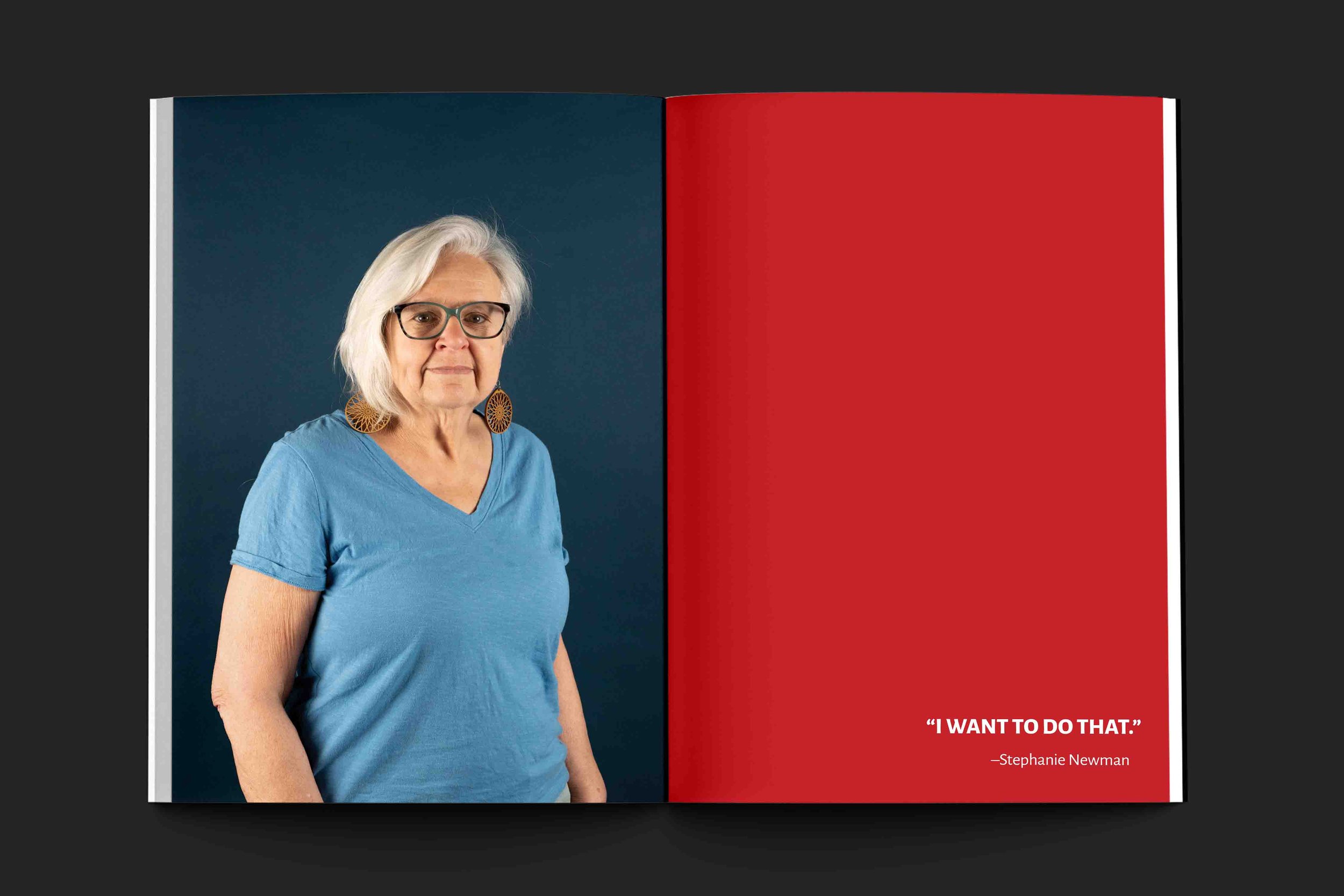
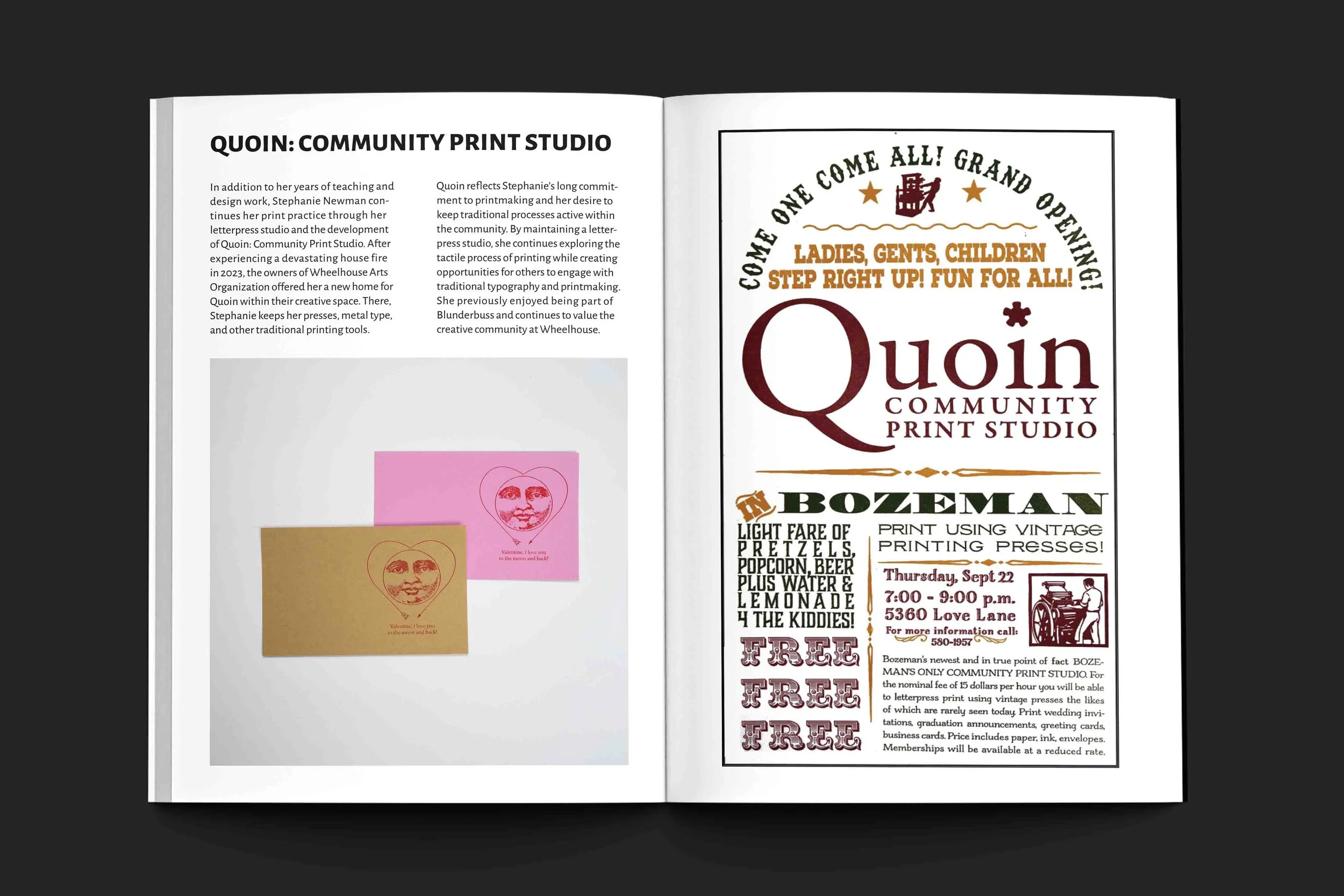
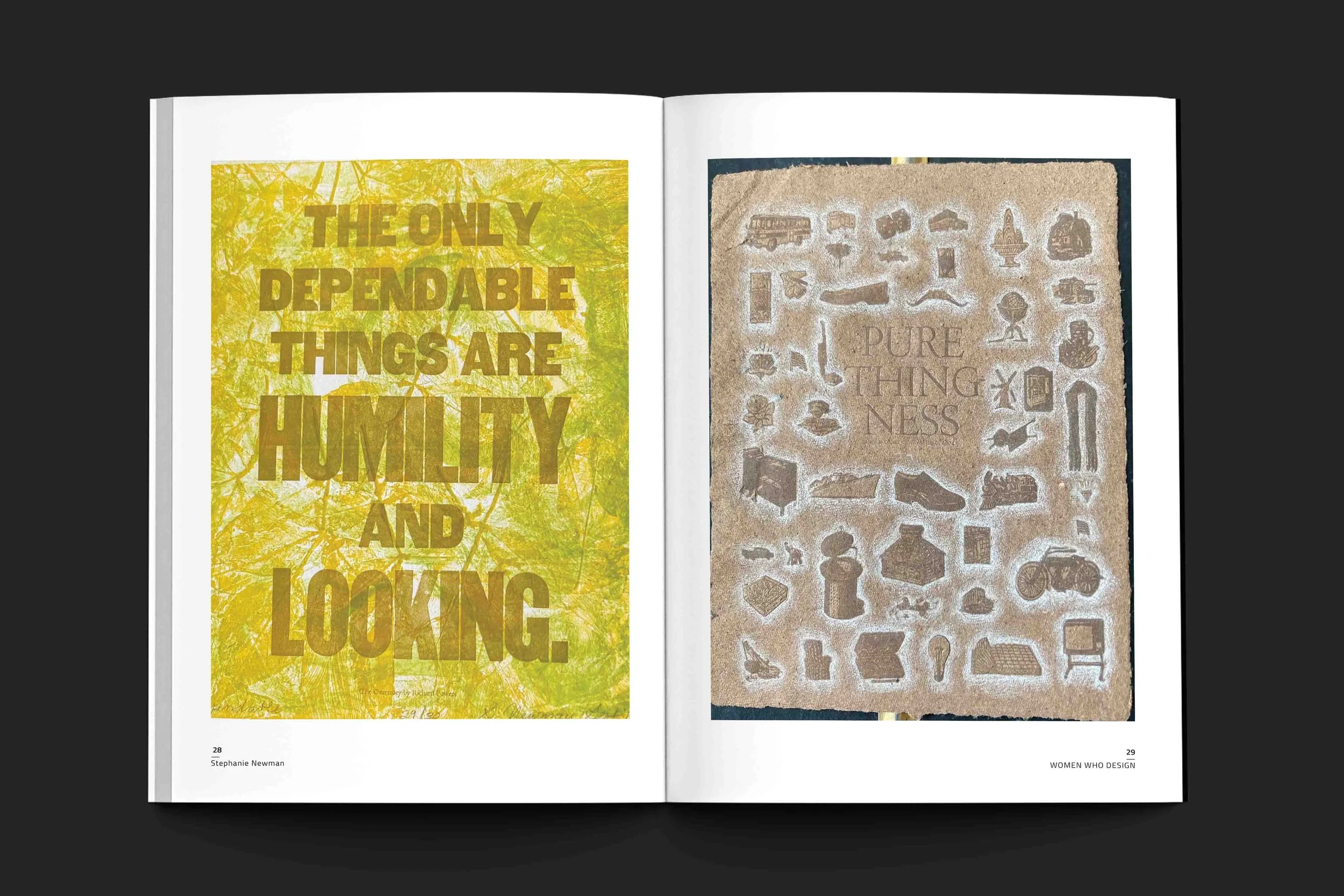
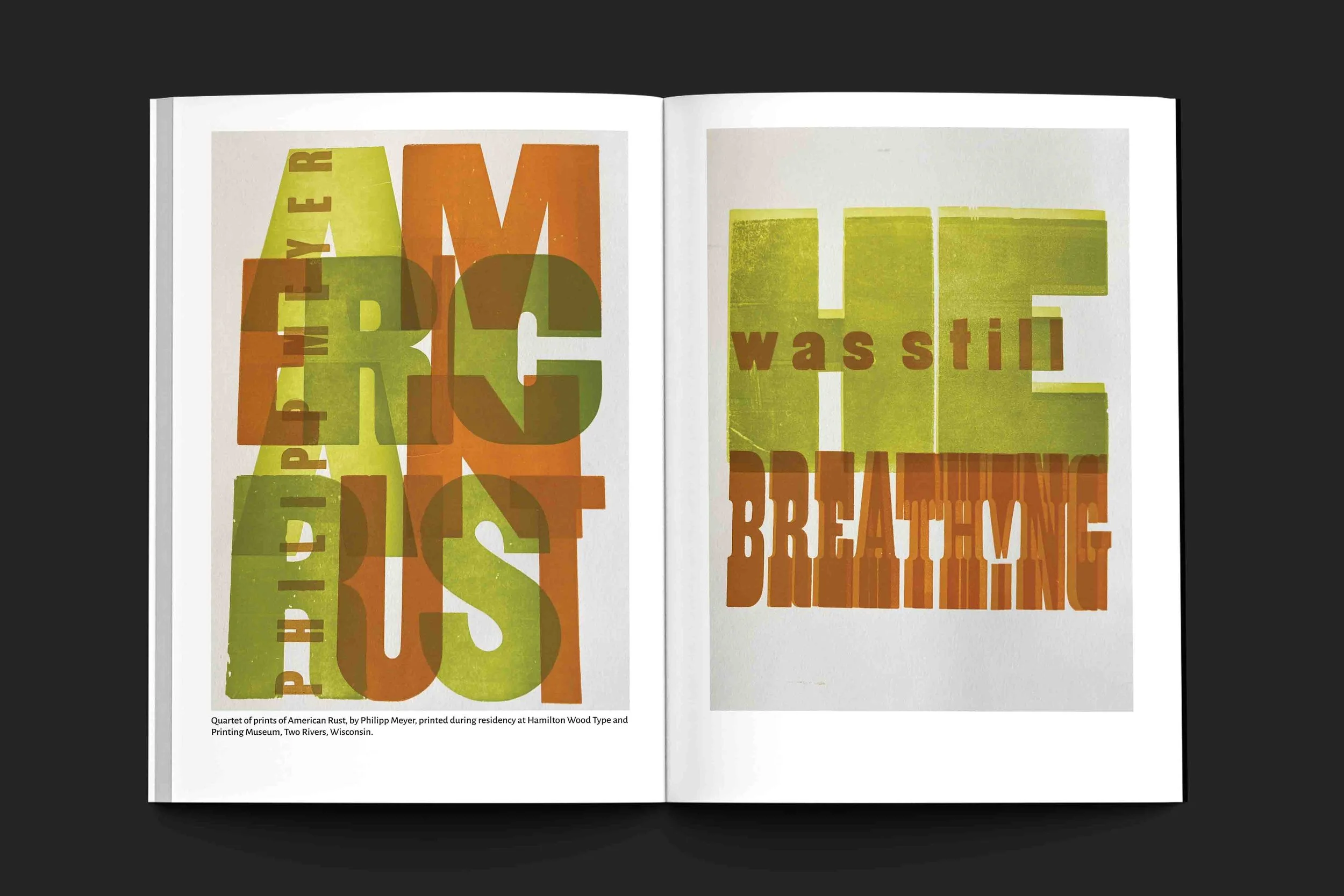
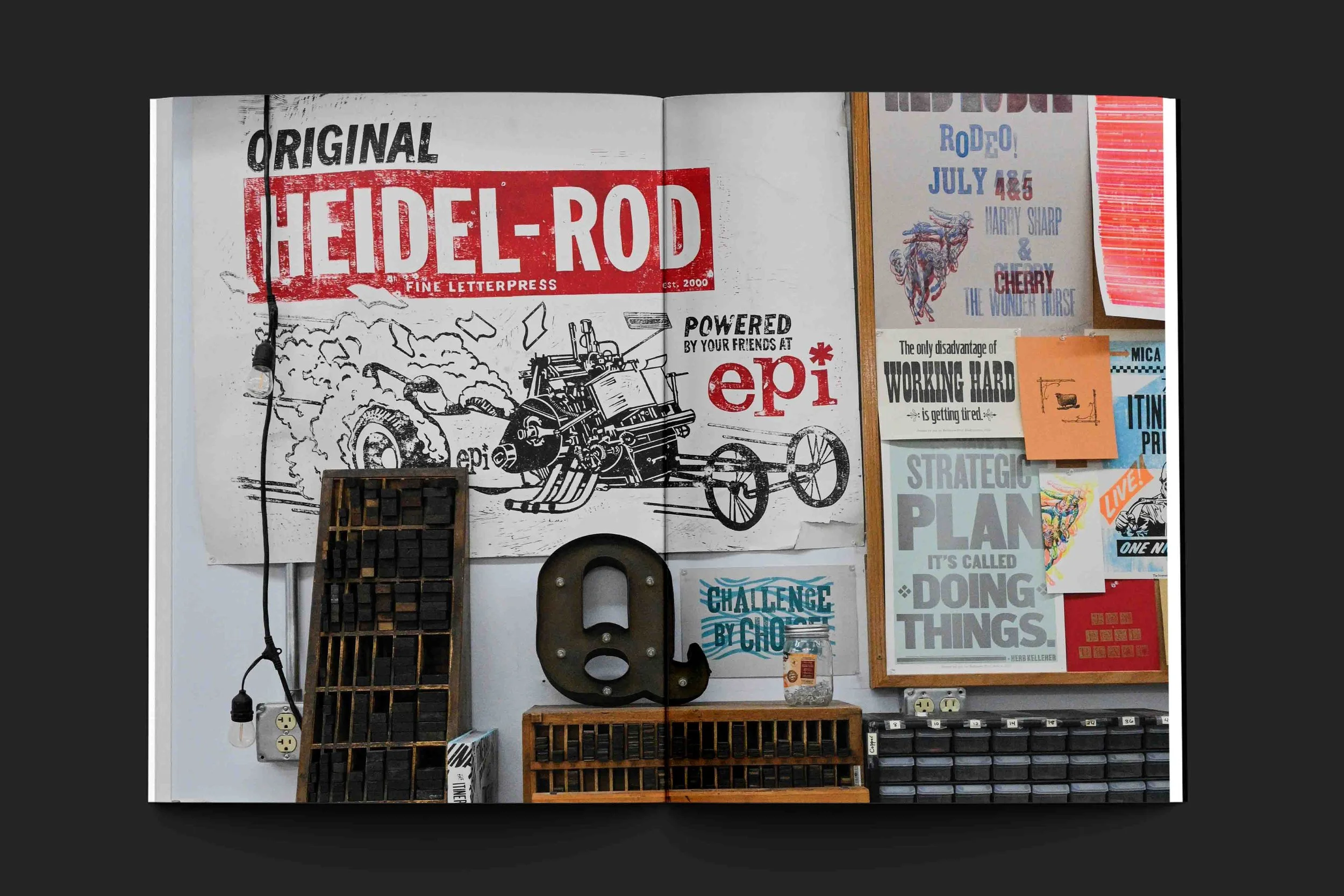
Stephanie Newman’s journey into letterpress began during her graduate studies at the University of Wisconsin–Madison, sparked by handmade book pages she noticed displayed in a school hallway. “I remember seeing these handmade book pages,” she recalls. “The type was so crisp and beautiful. I thought, I want to do that.” Drawn in by curiosity, she enrolled in the class responsible for the work and began learning the traditional process of letterpress printing.
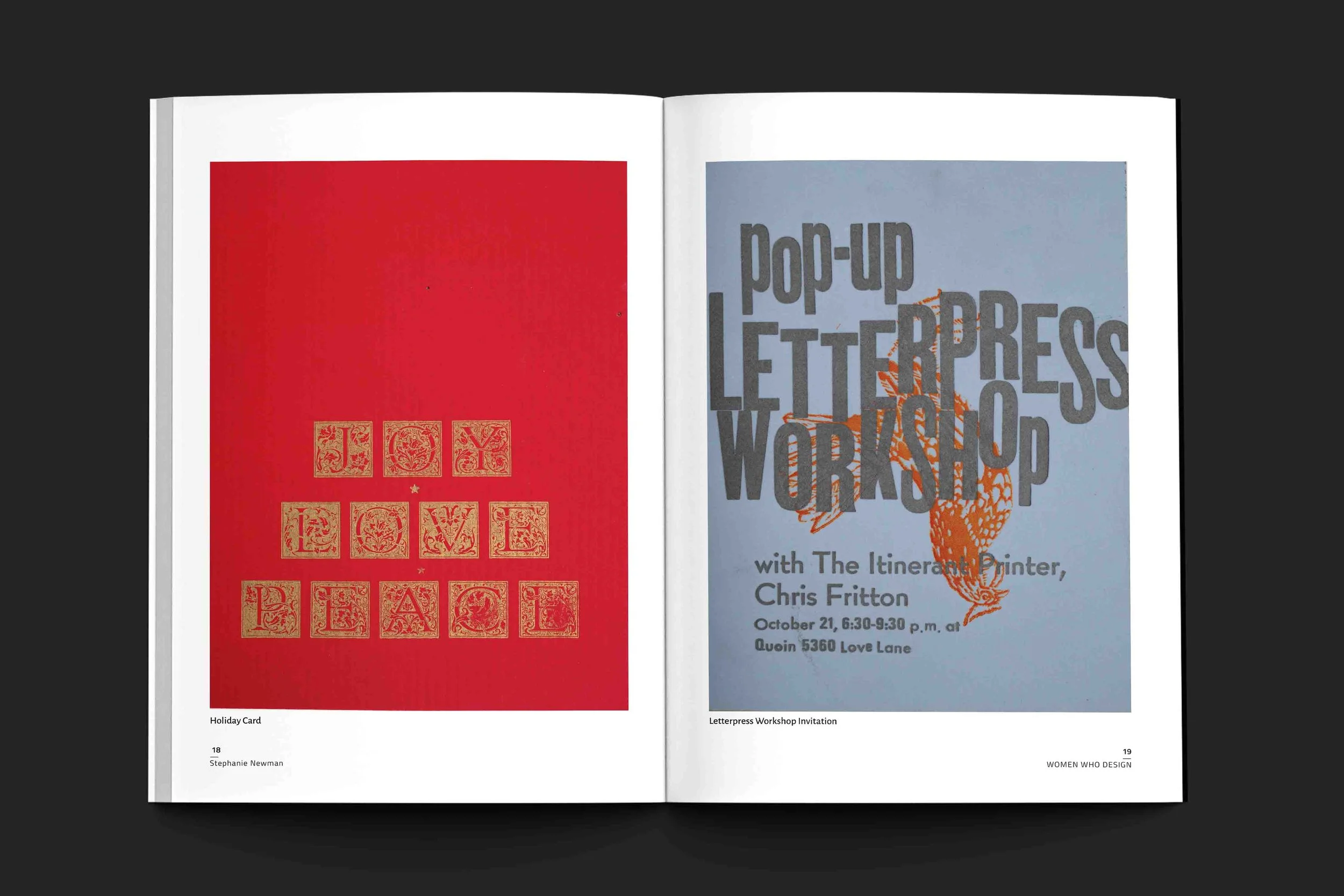
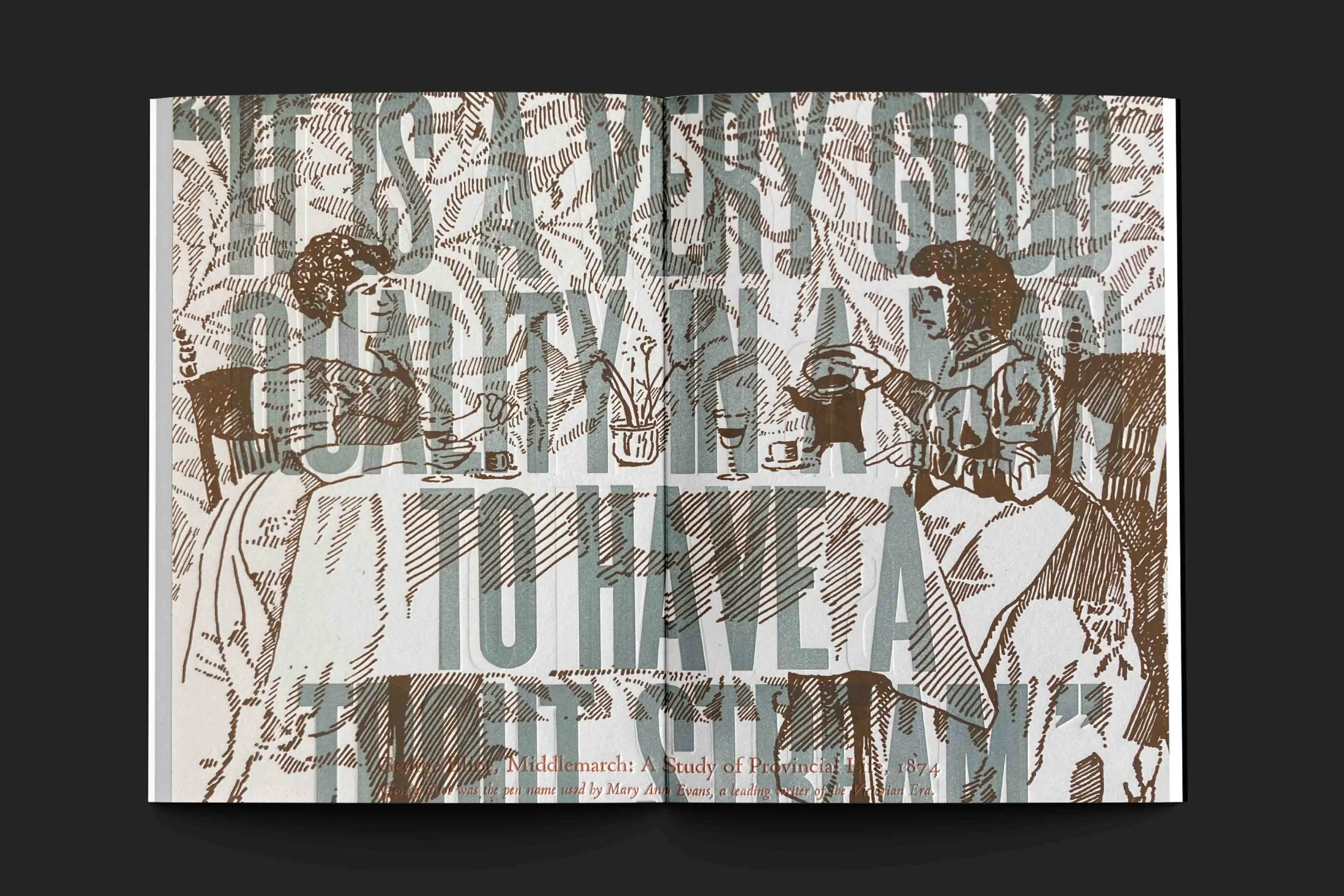
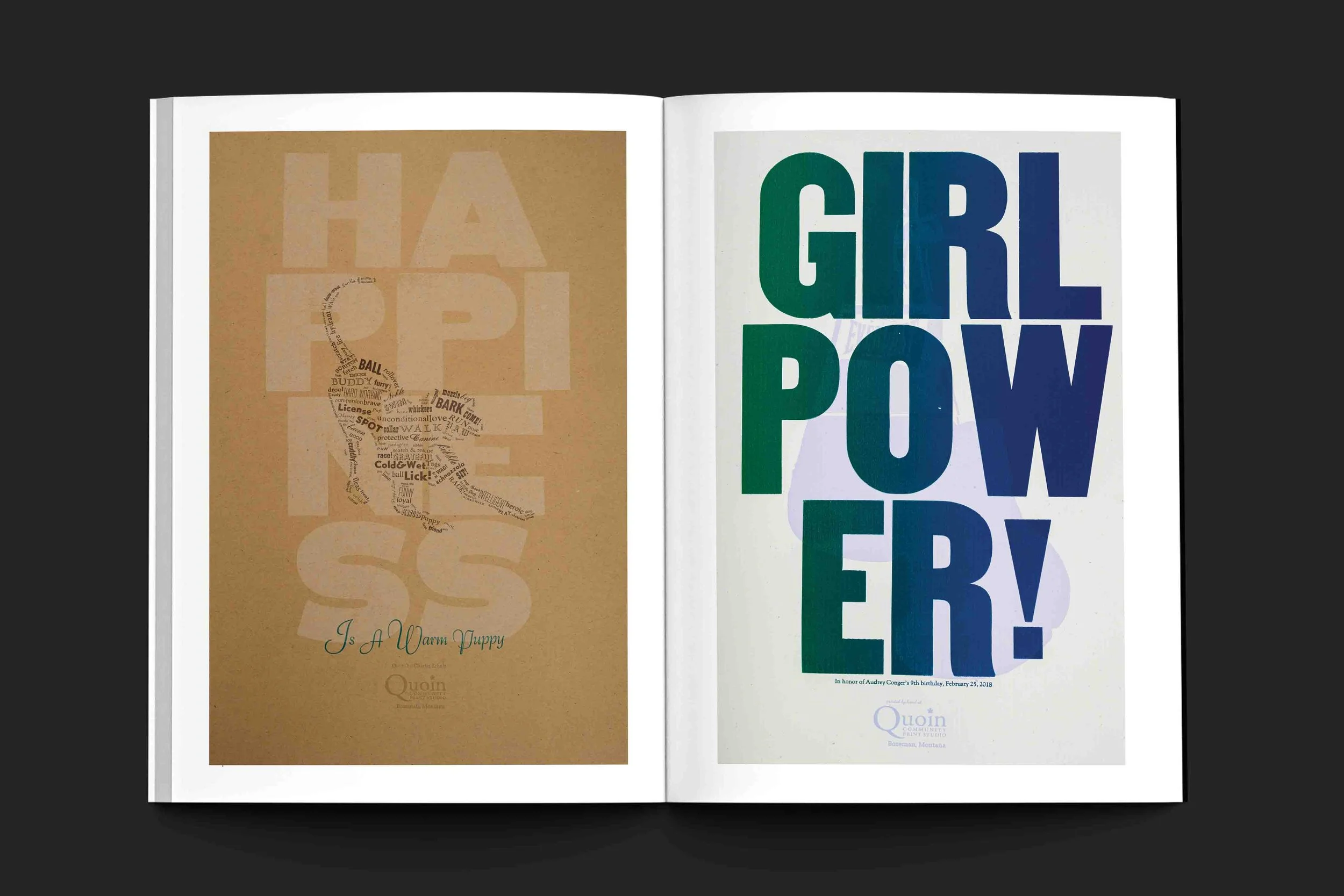
Through this experience, Stephanie developed a deep understanding of presses, metal and wood type, bookbinding, and papermaking. She was especially drawn to the tactile nature of the process and the care required to bring each printed page to life. For Stephanie, the act of printing carries a deeper meaning. “I believe the printing press helped bring about universal education,” she explains. “And that widespread access to knowledge is what allowed democracy to develop.”
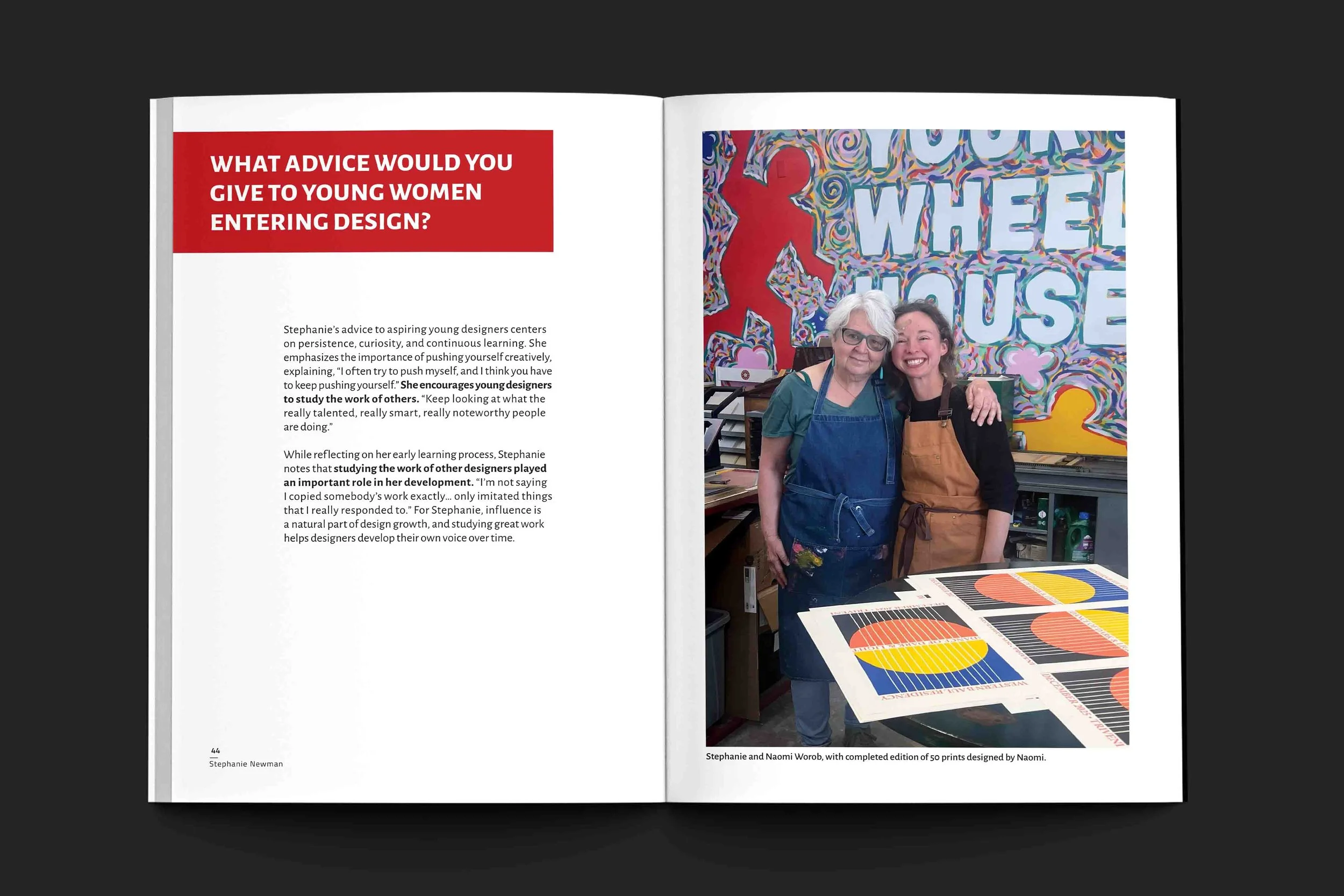
What advice would you give to young women entering design?
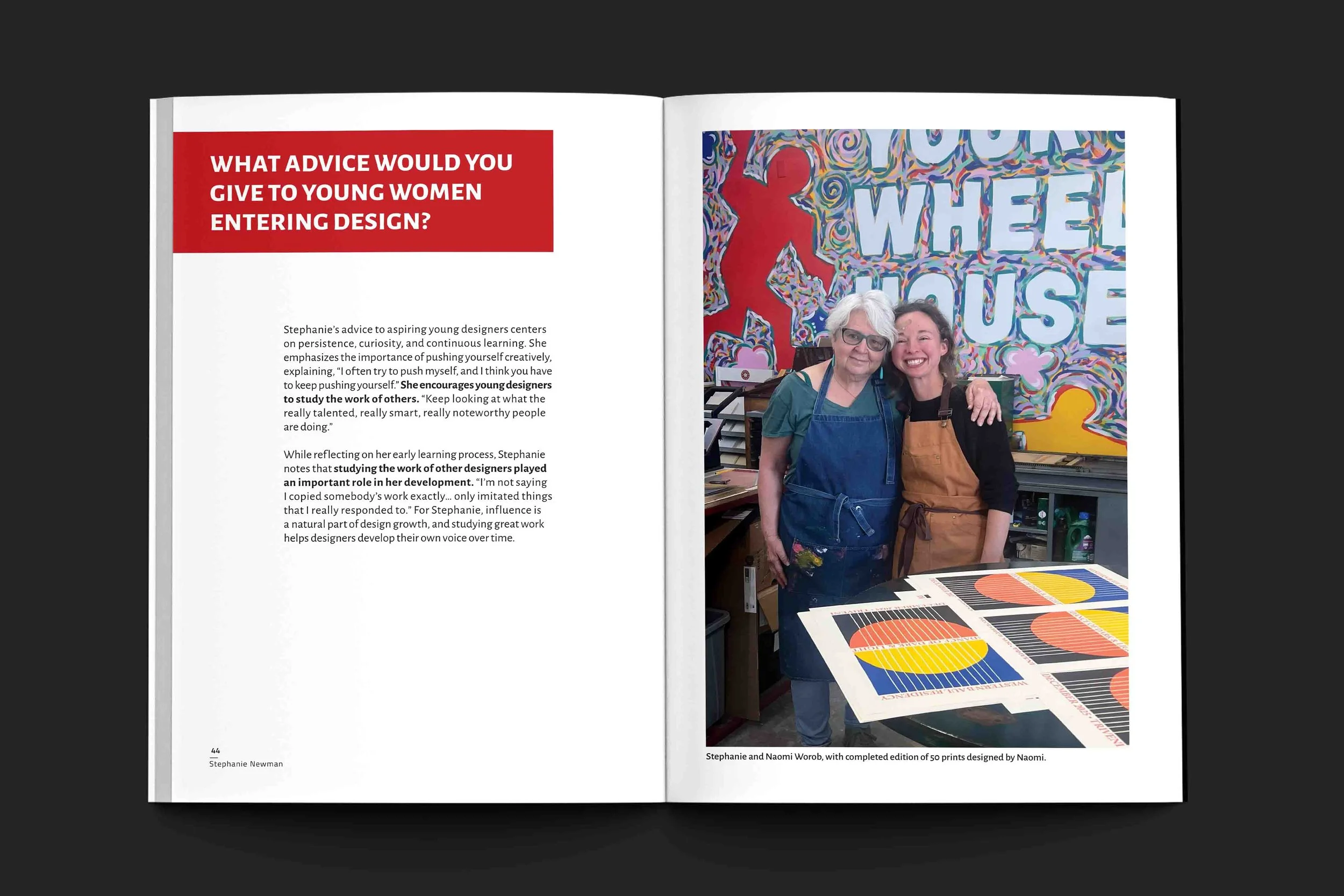
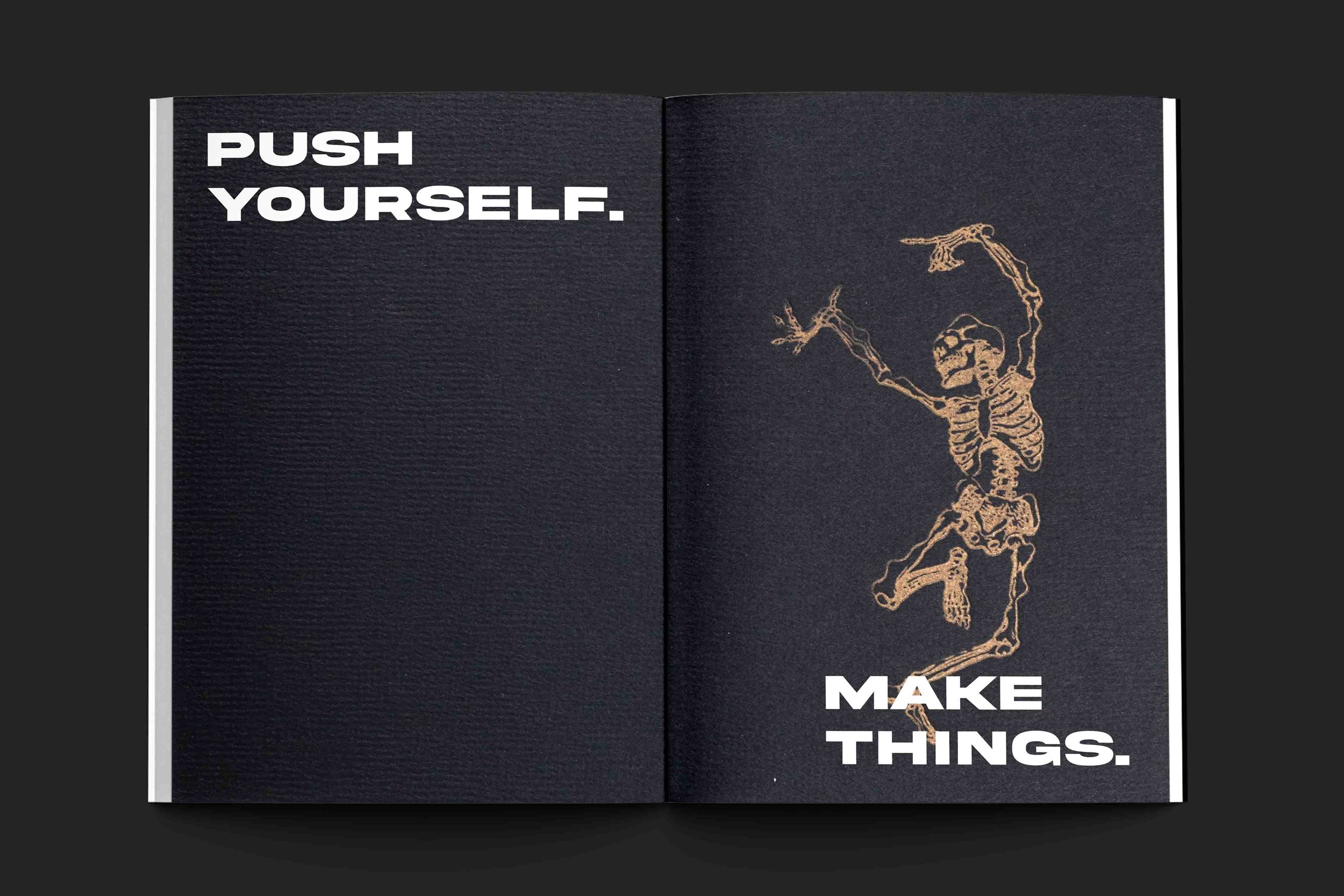
Stephanie’s advice to aspiring young designers centers on persistence, curiosity, and continuous learning. She emphasizes the importance of pushing yourself creatively, explaining, “I often try to push myself, and I think you have to keep pushing yourself.” She encourages young designers to study the work of others. “Keep looking at what the really talented, really smart, really noteworthy people are doing.”
While reflecting on her early learning process, Stephanie notes that studying the work of other designers played an important role in her development. “I’m not saying I copied somebody’s work exactly… only imitated things that I really responded to.” For Stephanie, influence is a natural part of design growth, and studying great work helps designers develop their own voice over time.






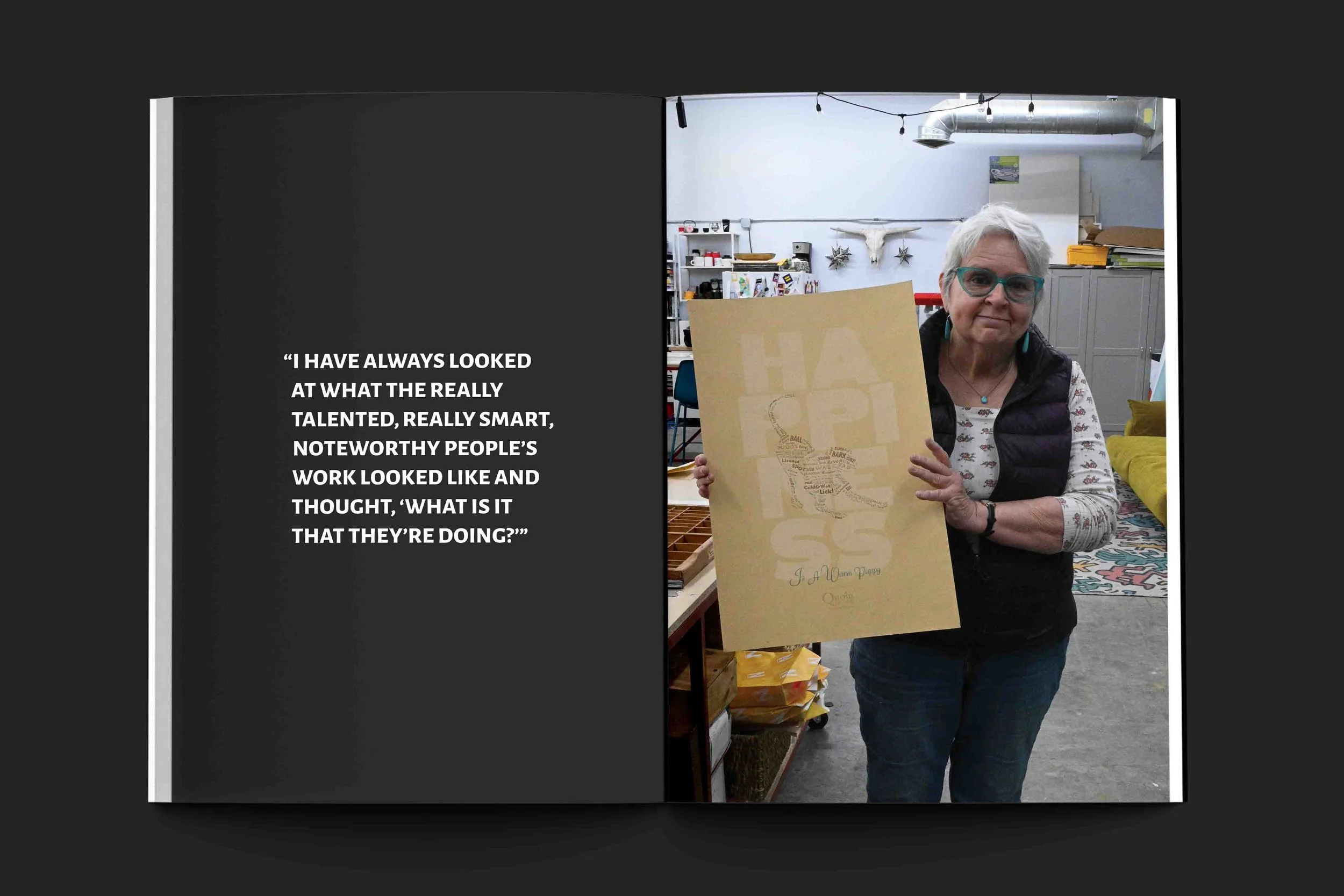
“I have always looked at what the really talented, really smart, noteworthy people’s work looked like and thought, ‘what is it that they’re doing?’”
— Stephanie Newman