
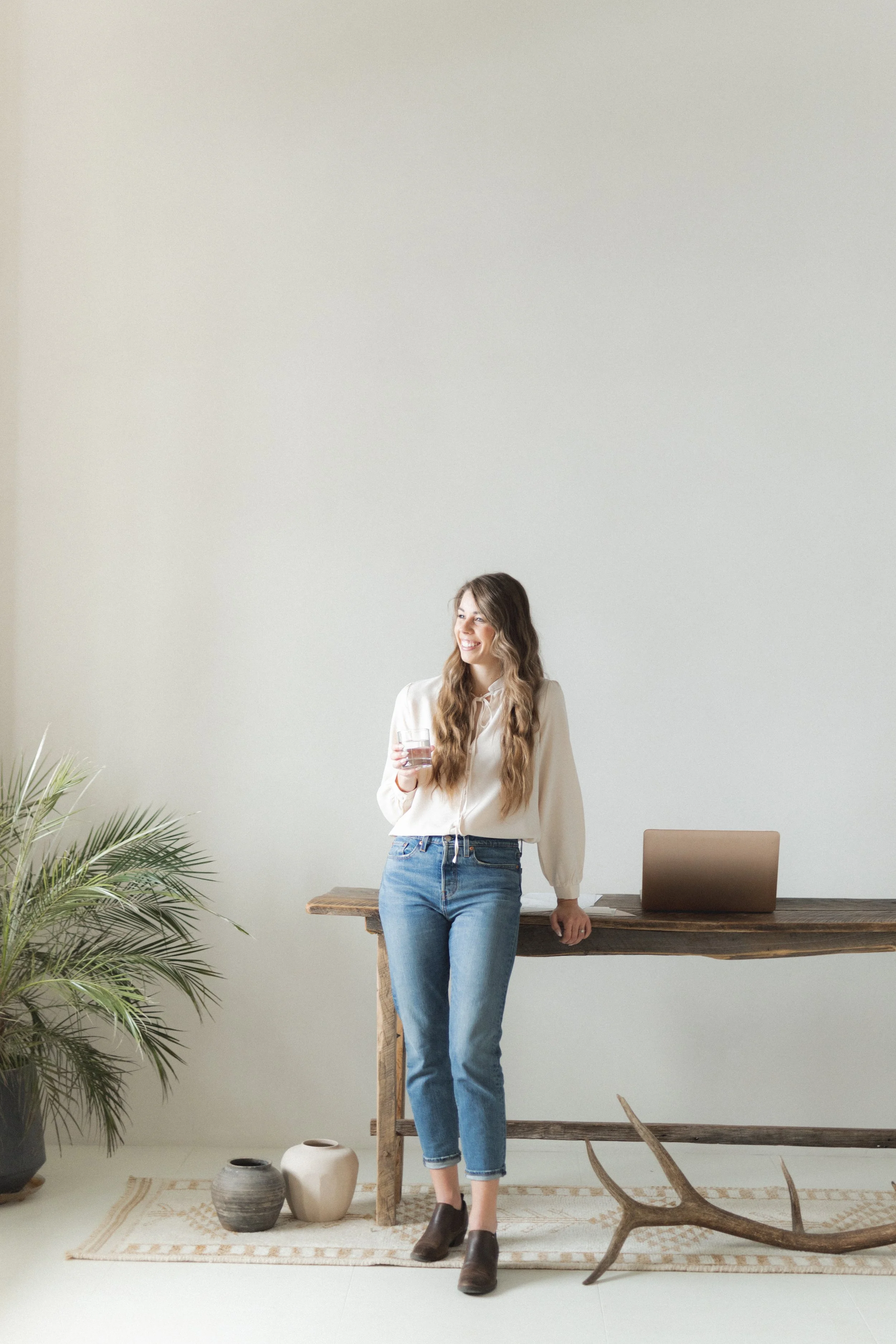
Serena Gossack
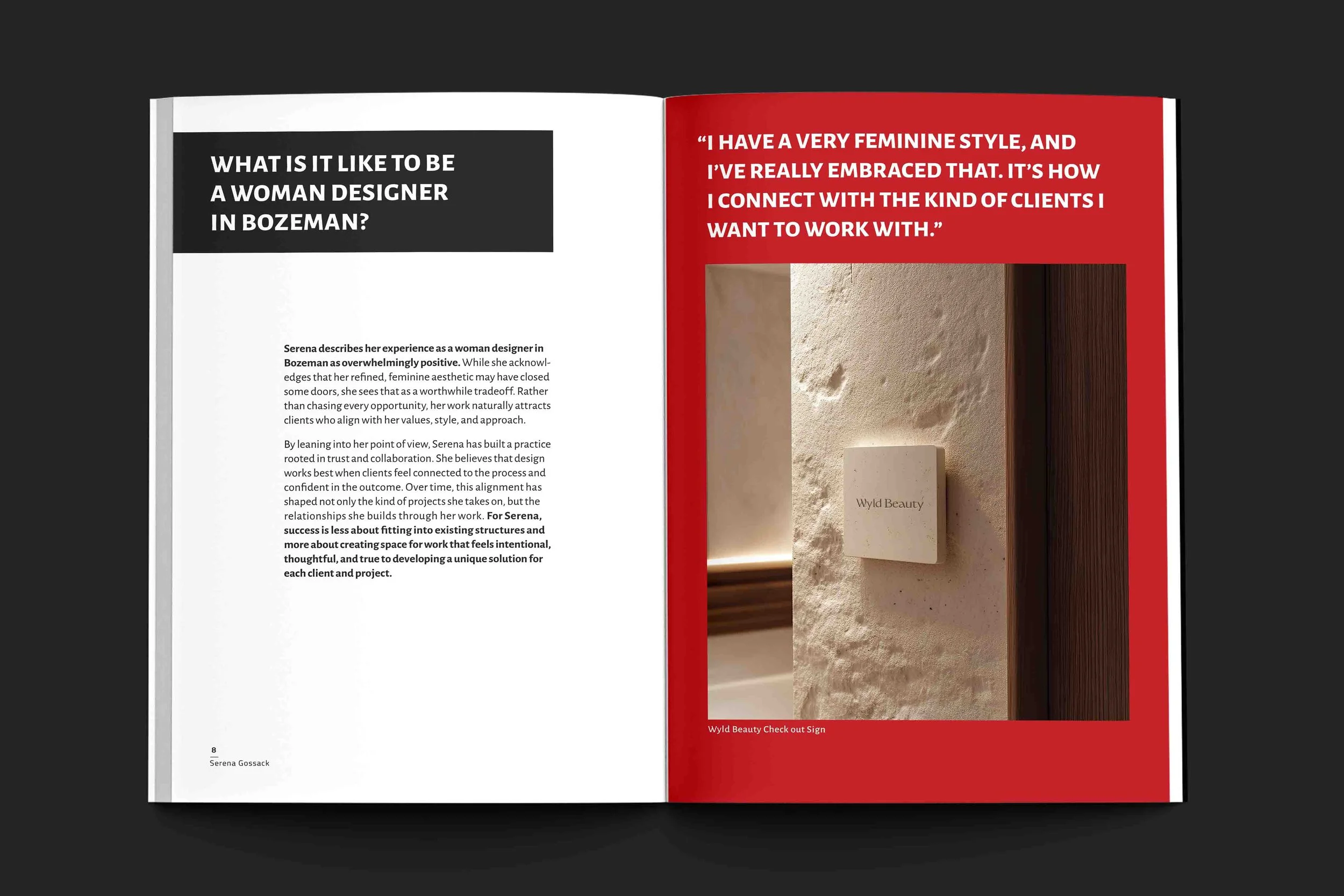
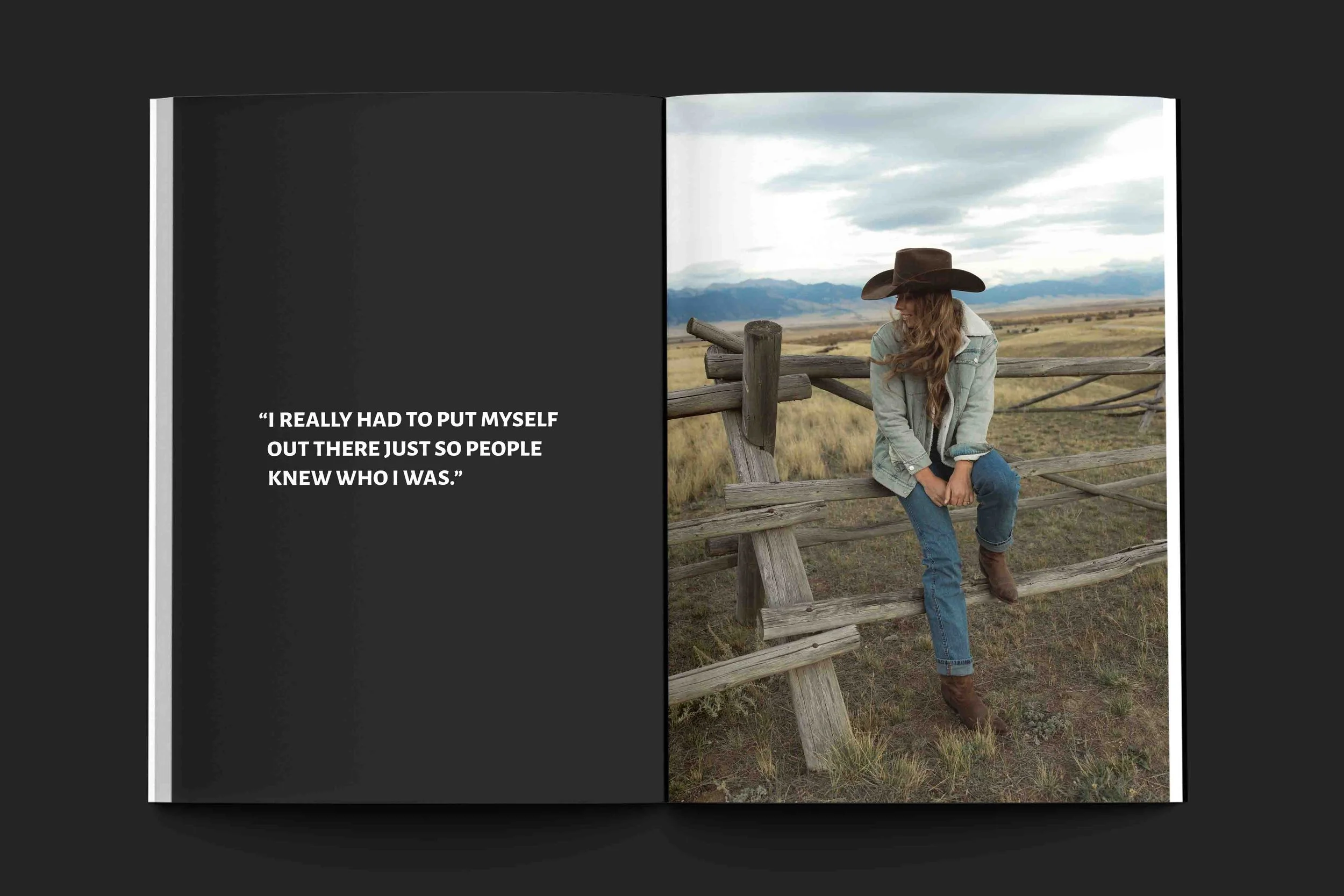
“I have a very feminine style, and I’ve really embraced that. It’s how I connect with the kind of clients I want to work with.”
— Serena Gossack
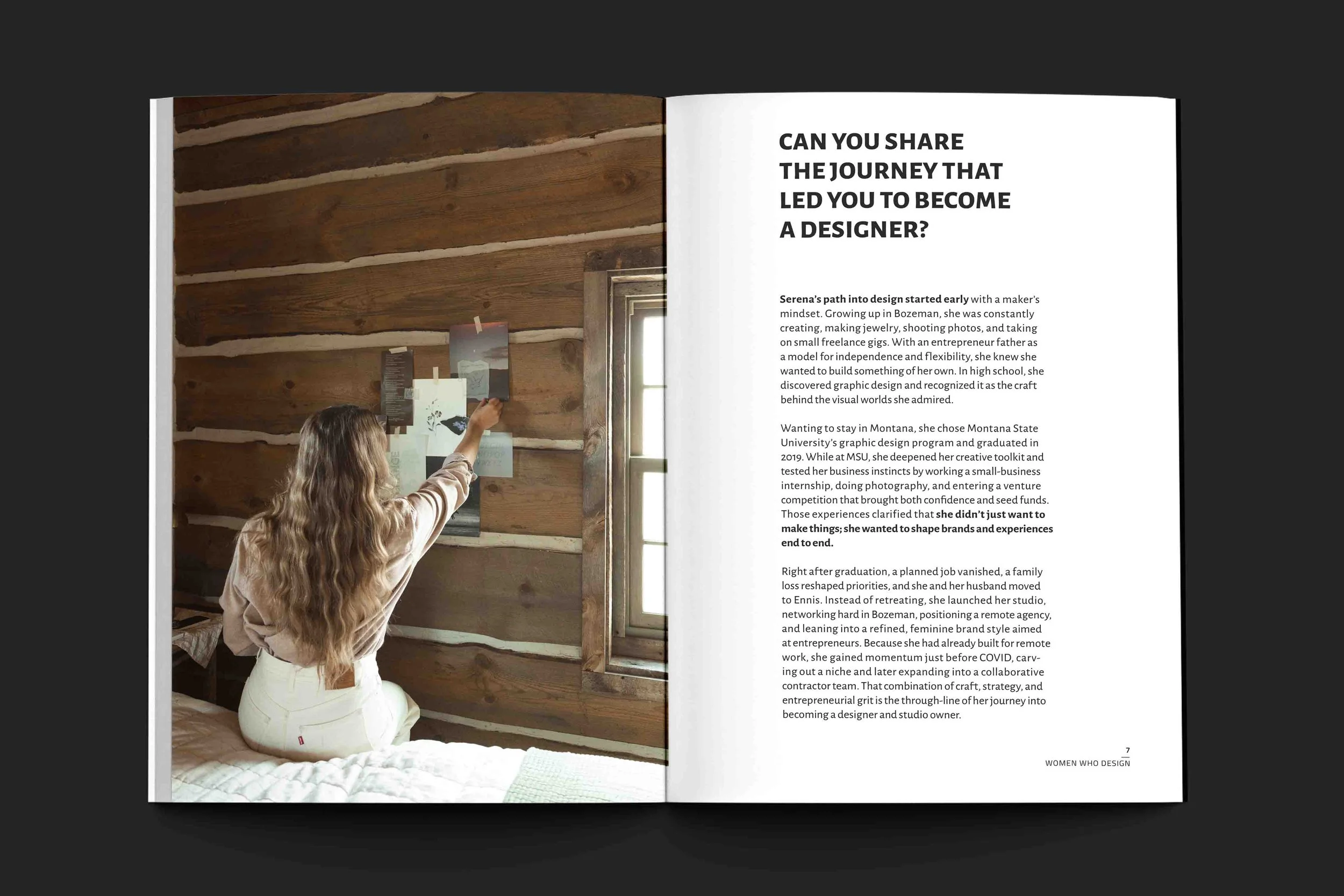
Can you share the journey that led you to become a designer?
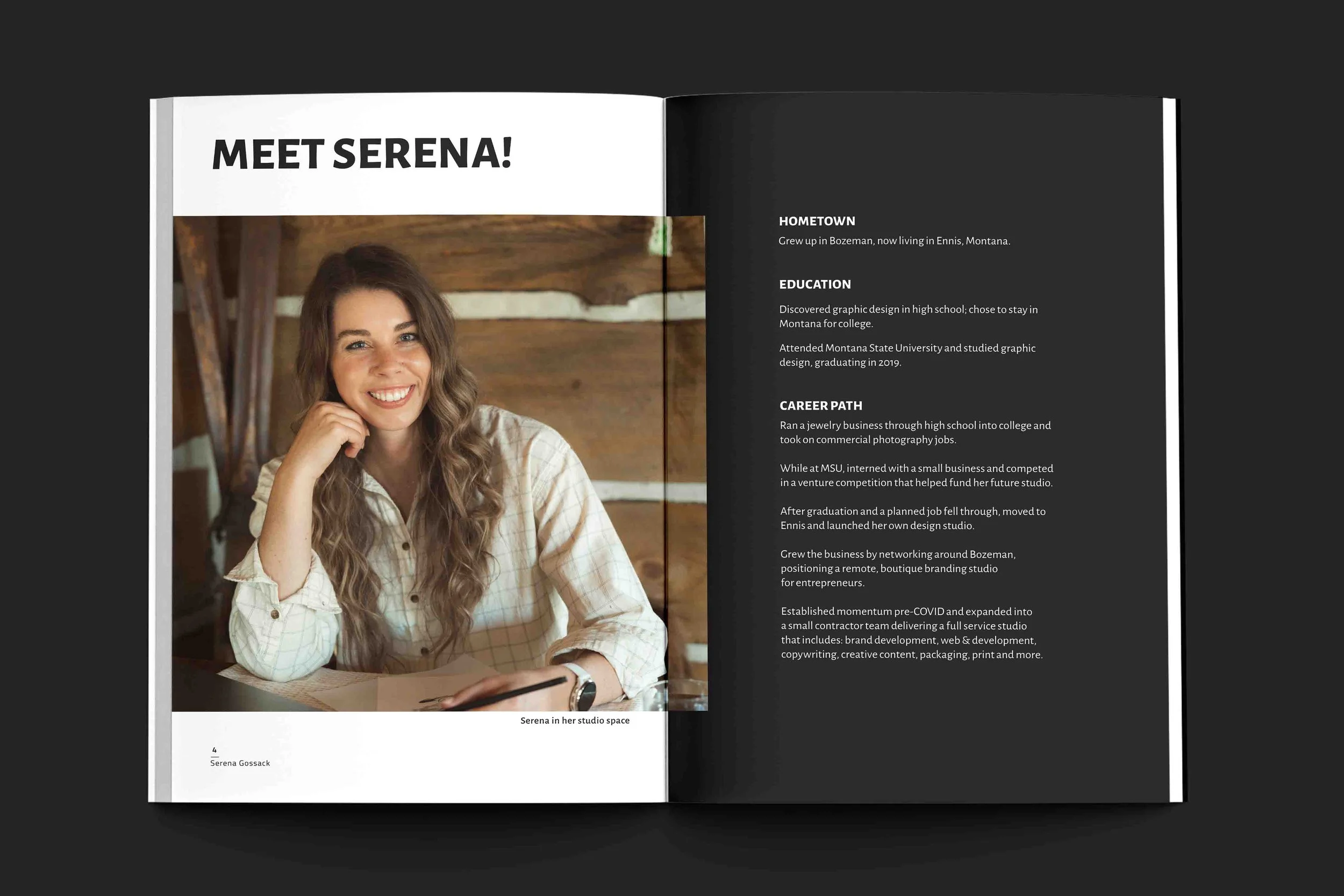
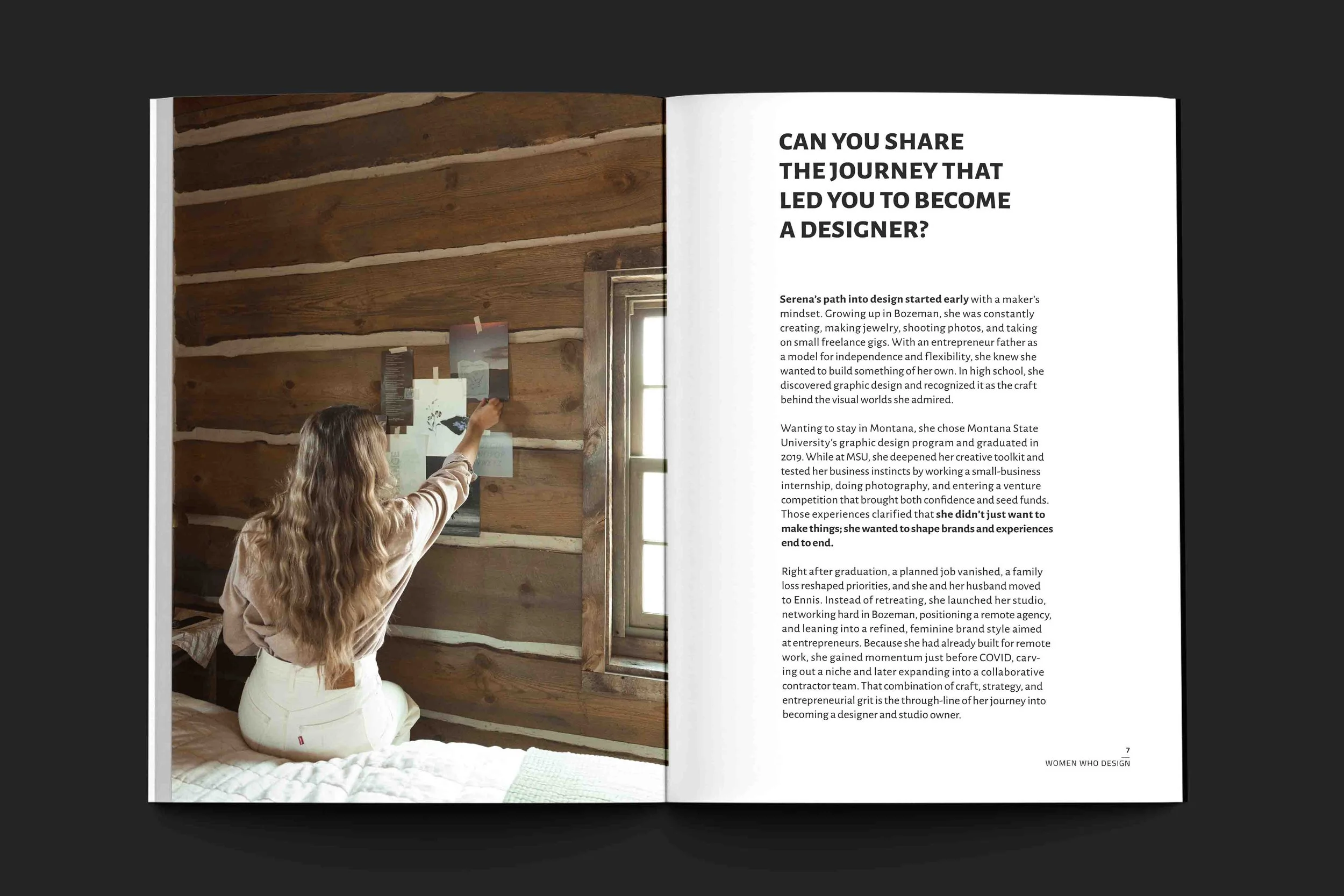
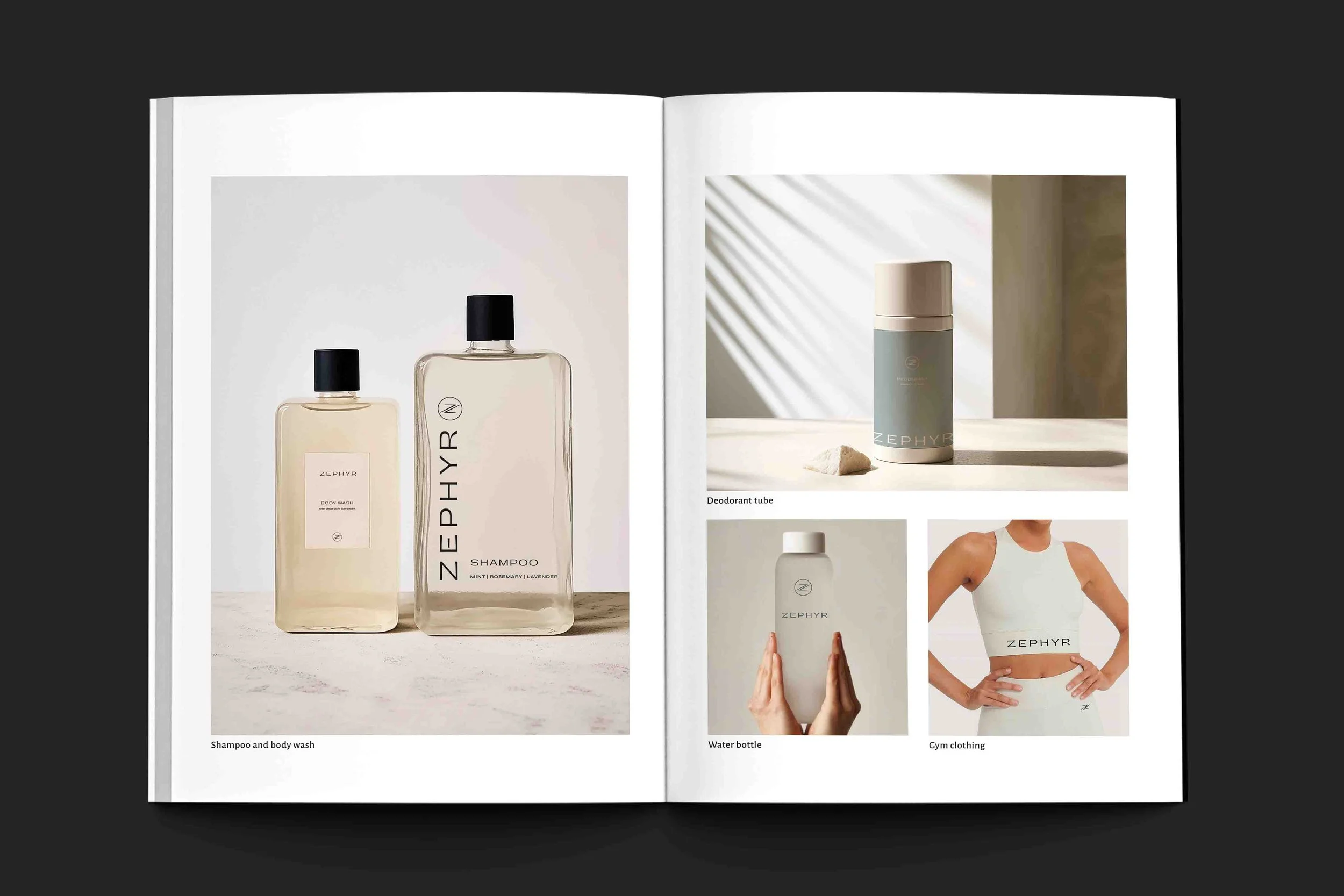
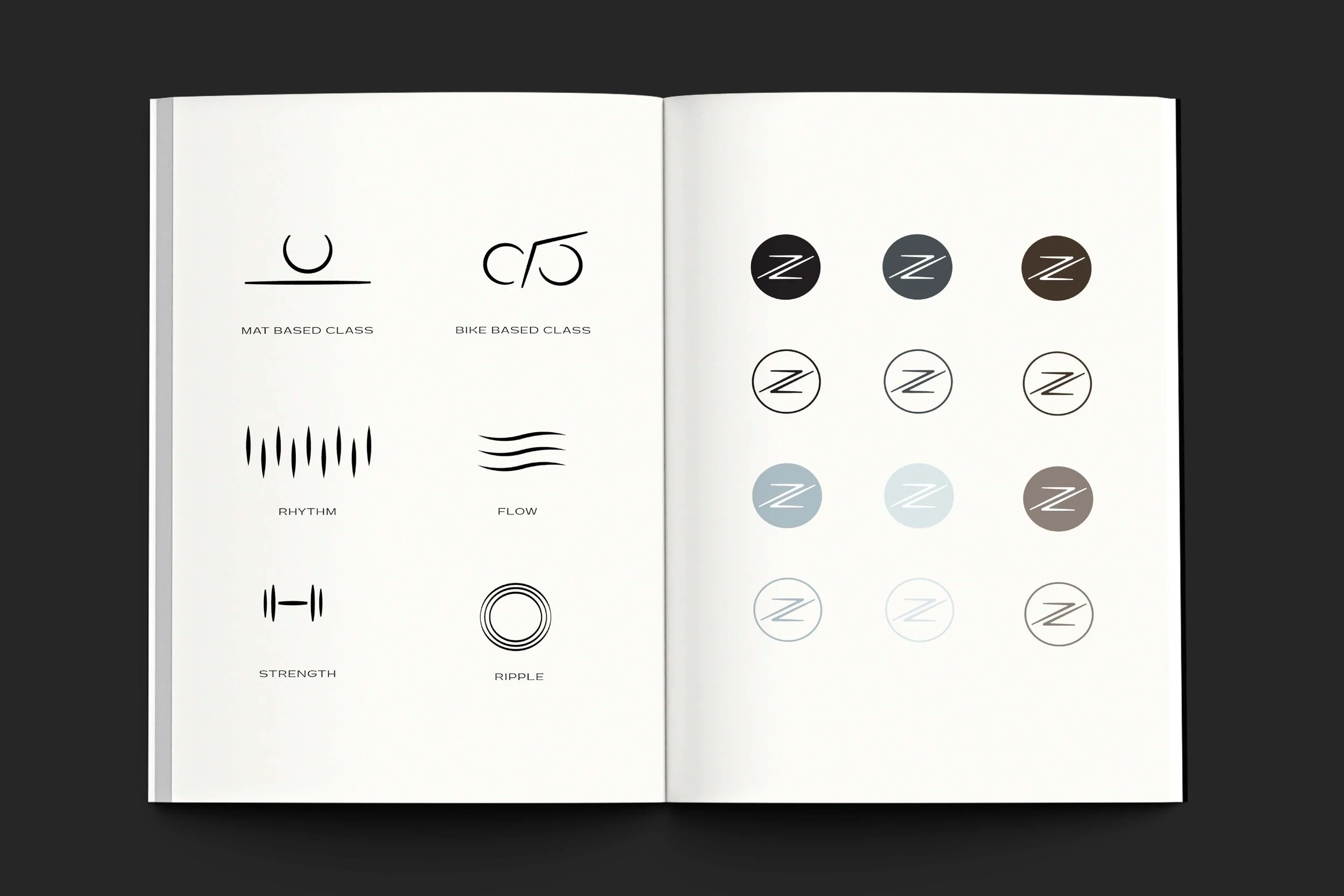
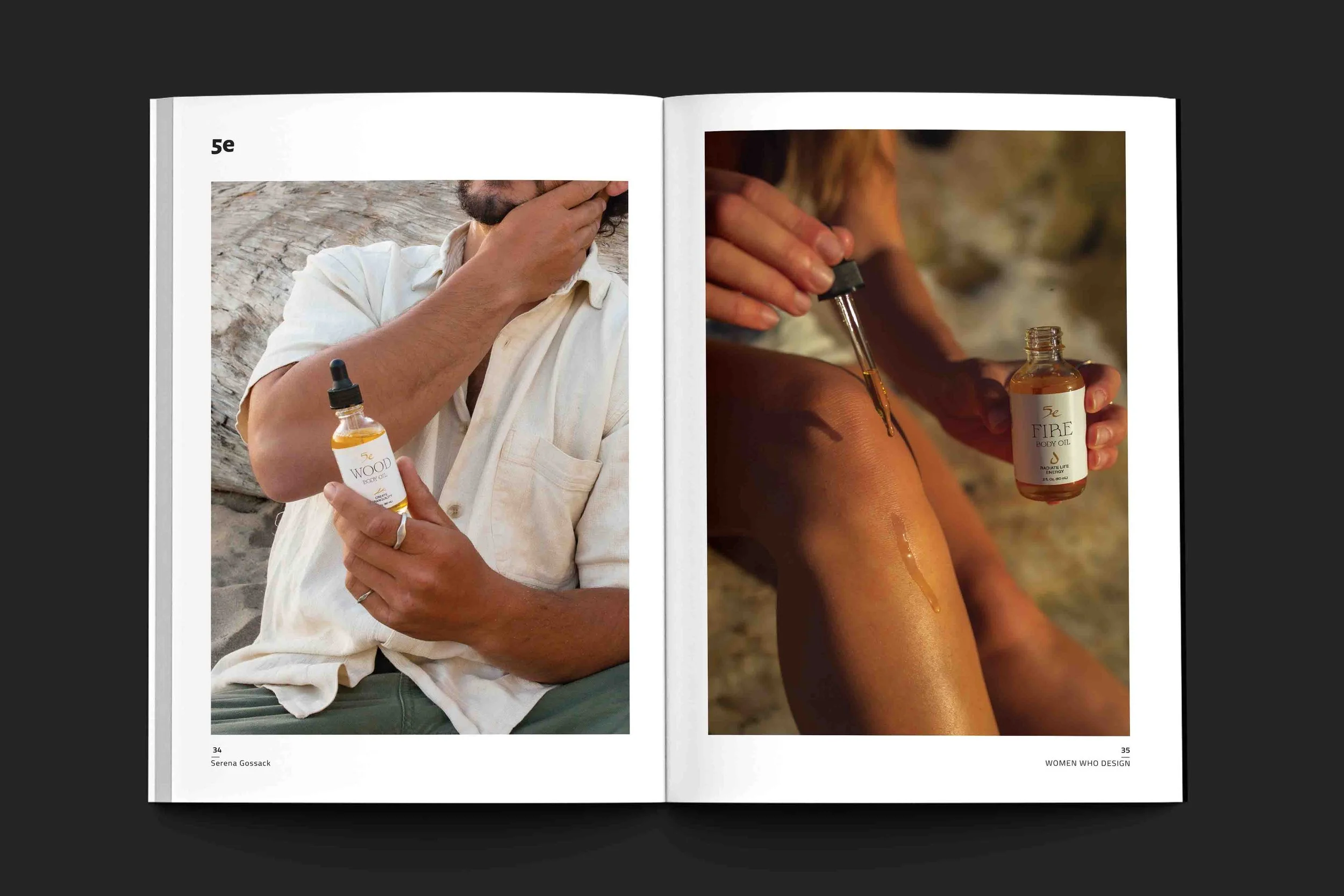
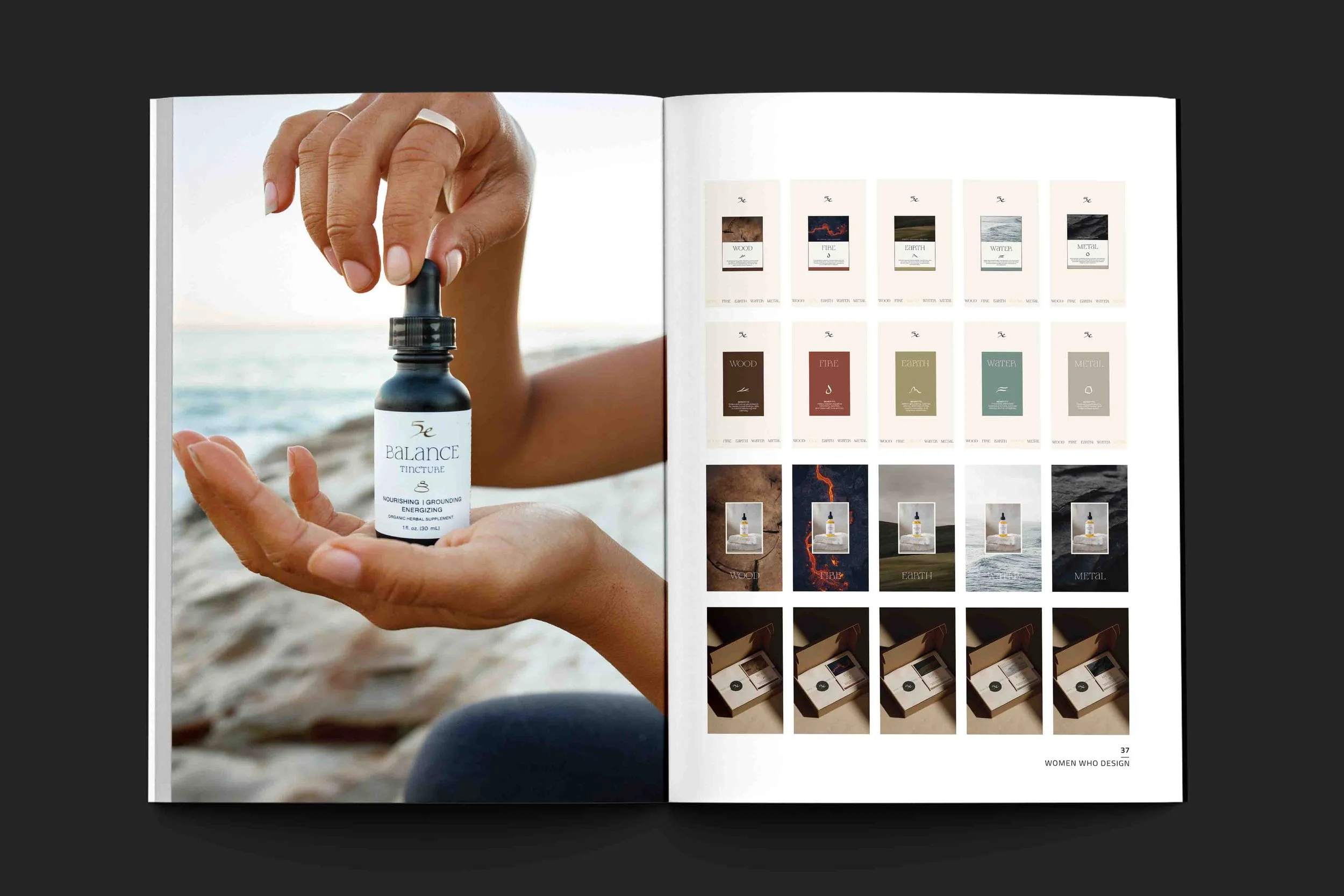
Serena’s path into design started early with a maker’s mindset. Growing up in Bozeman, she was constantly creating, making jewelry, shooting photos, and taking on small freelance gigs. With an entrepreneur father as a model for independence and flexibility, she knew she wanted to build something of her own. In high school, she discovered graphic design and recognized it as the craft behind the visual worlds she admired.
Wanting to stay in Montana, she chose Montana State University’s graphic design program and graduated in 2019. While at MSU, she deepened her creative toolkit and tested her business instincts by working a small-business internship, doing photography, and entering a venture competition that brought both confidence and seed funds. Those experiences clarified that she didn’t just want to make things; she wanted to shape brands and experiences end to end.
Right after graduation, a planned job vanished, a family loss reshaped priorities, and she and her husband moved to Ennis. Instead of retreating, she launched her studio, networking hard in Bozeman, positioning a remote agency, and leaning into a refined, feminine brand style aimed at entrepreneurs. Because she had already built for remote work, she gained momentum just before COVID, carving out a niche and later expanding into a collaborative contractor team. That combination of craft, strategy, and entrepreneurial grit is the through-line of her journey into becoming a designer and studio owner.
What is it like to be a woman designer in Bozeman?
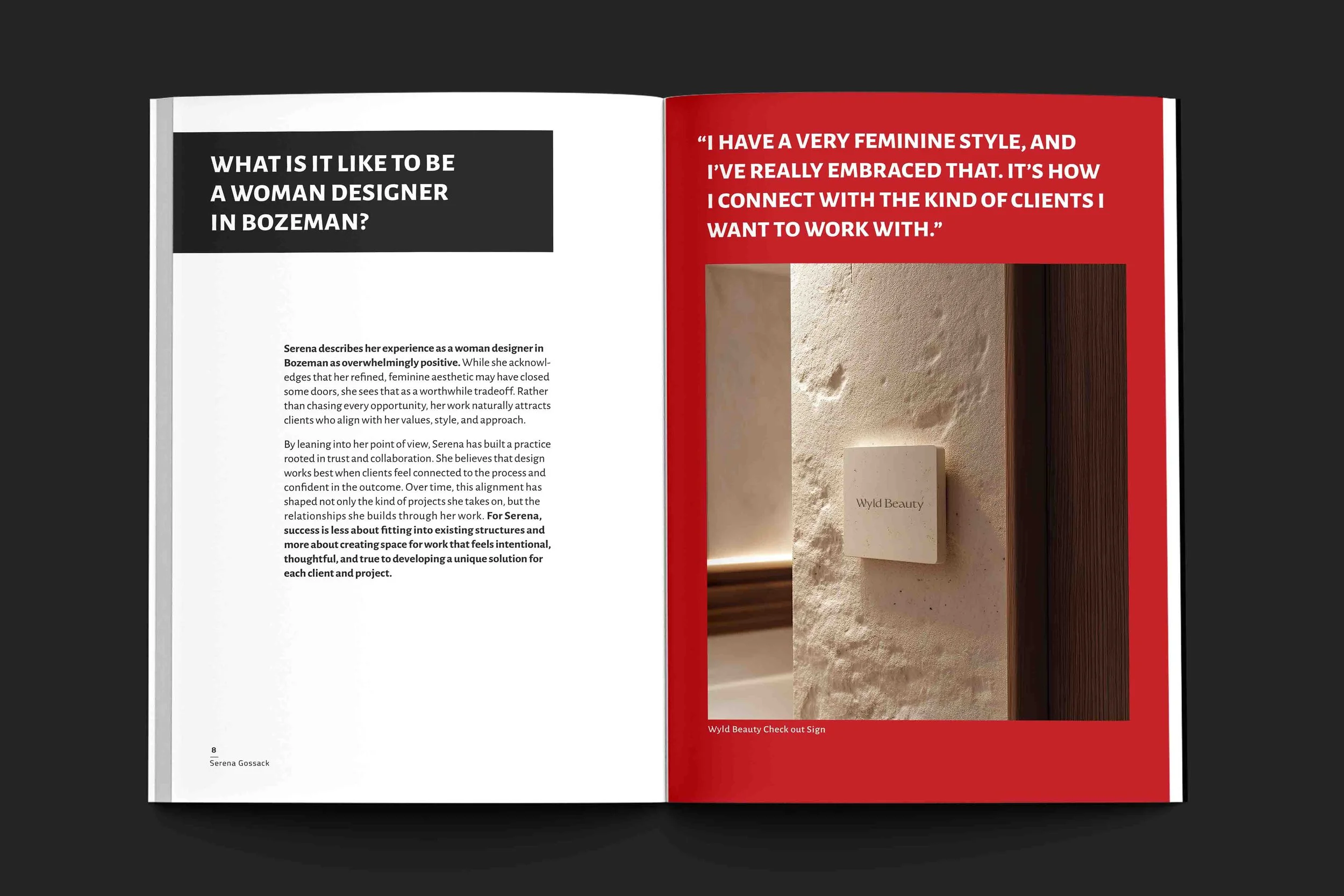
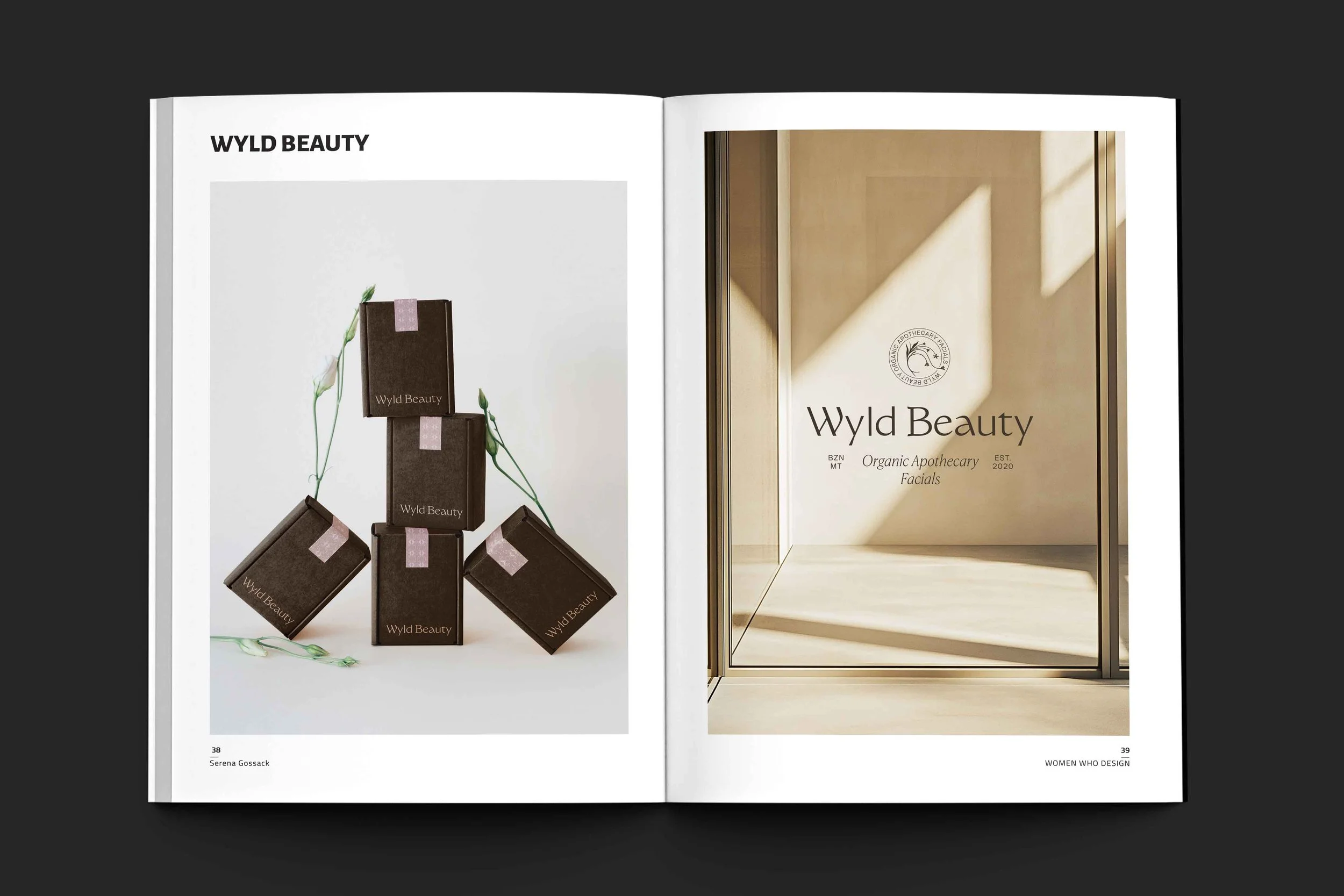
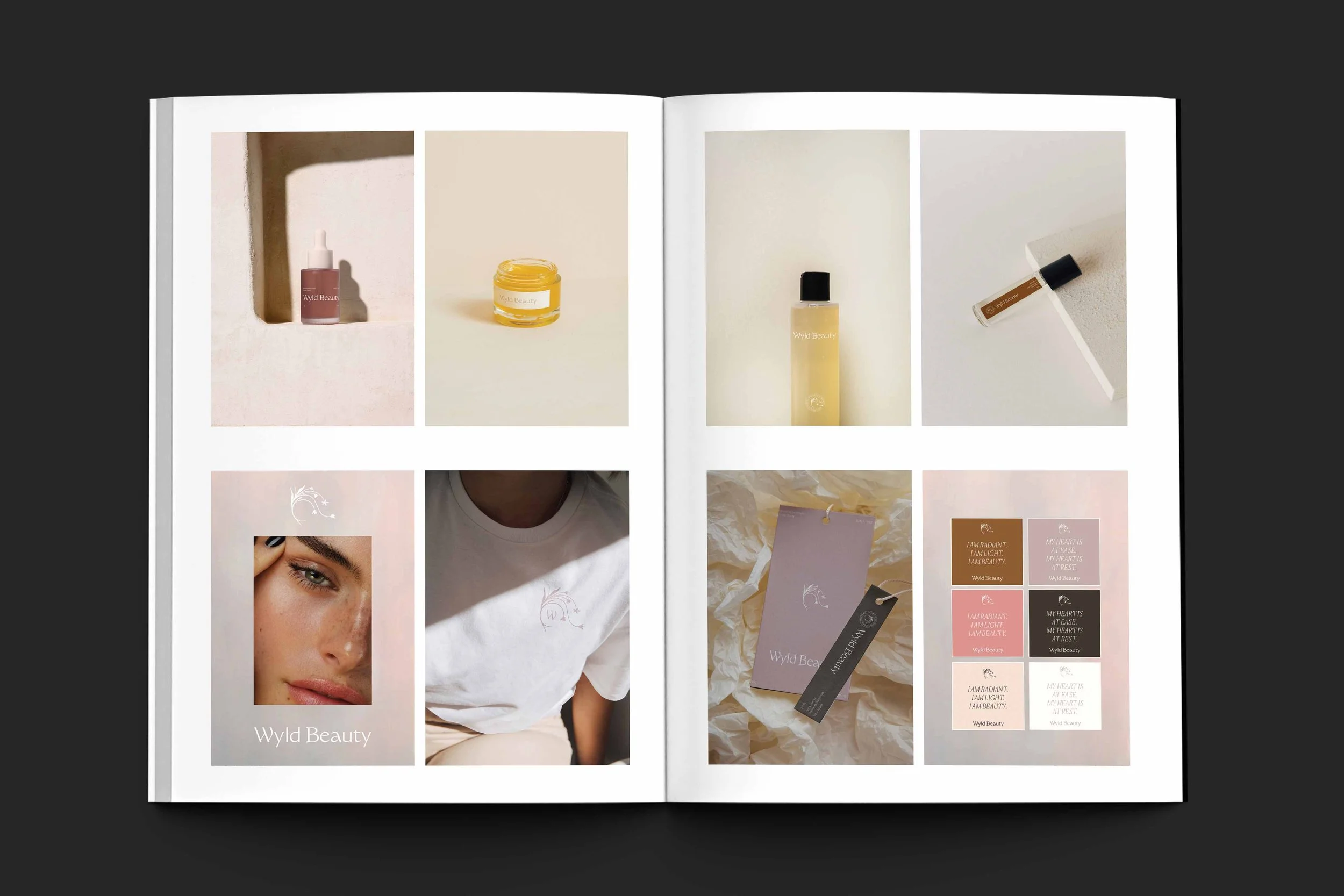
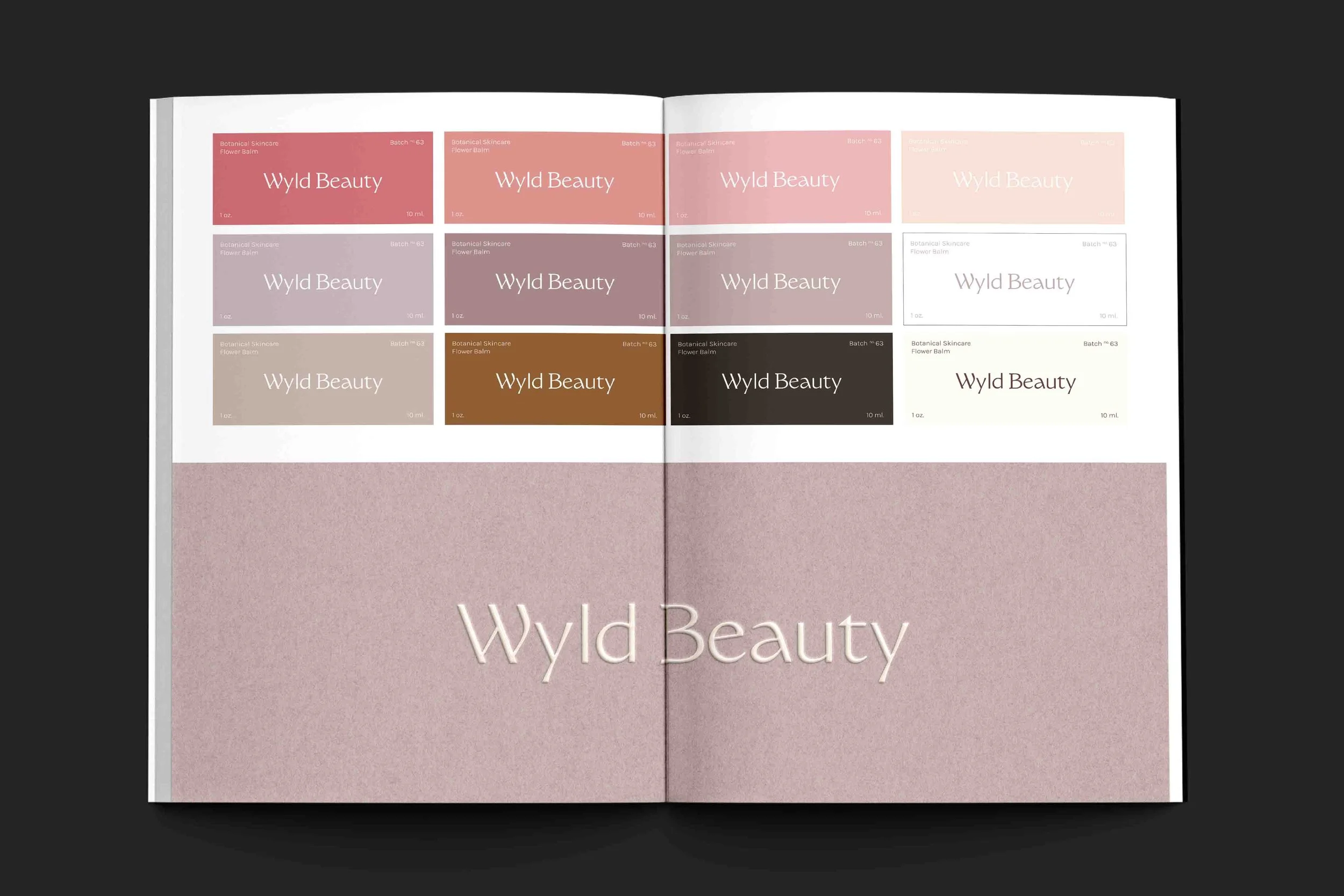
Serena describes her experience as a woman designer in Bozeman as overwhelmingly positive. While she acknowledges that her refined, feminine aesthetic may have closed some doors, she sees that as a worthwhile tradeoff. Rather than chasing every opportunity, her work naturally attracts clients who align with her values, style, and approach.
By leaning into her point of view, Serena has built a practice rooted in trust and collaboration. She believes that design works best when clients feel connected to the process and confident in the outcome. Over time, this alignment has shaped not only the kind of projects she takes on, but the relationships she builds through her work. For Serena, success is less about fitting into existing structures and more about creating space for work that feels intentional, thoughtful, and true to developing a unique solution for each client and project.
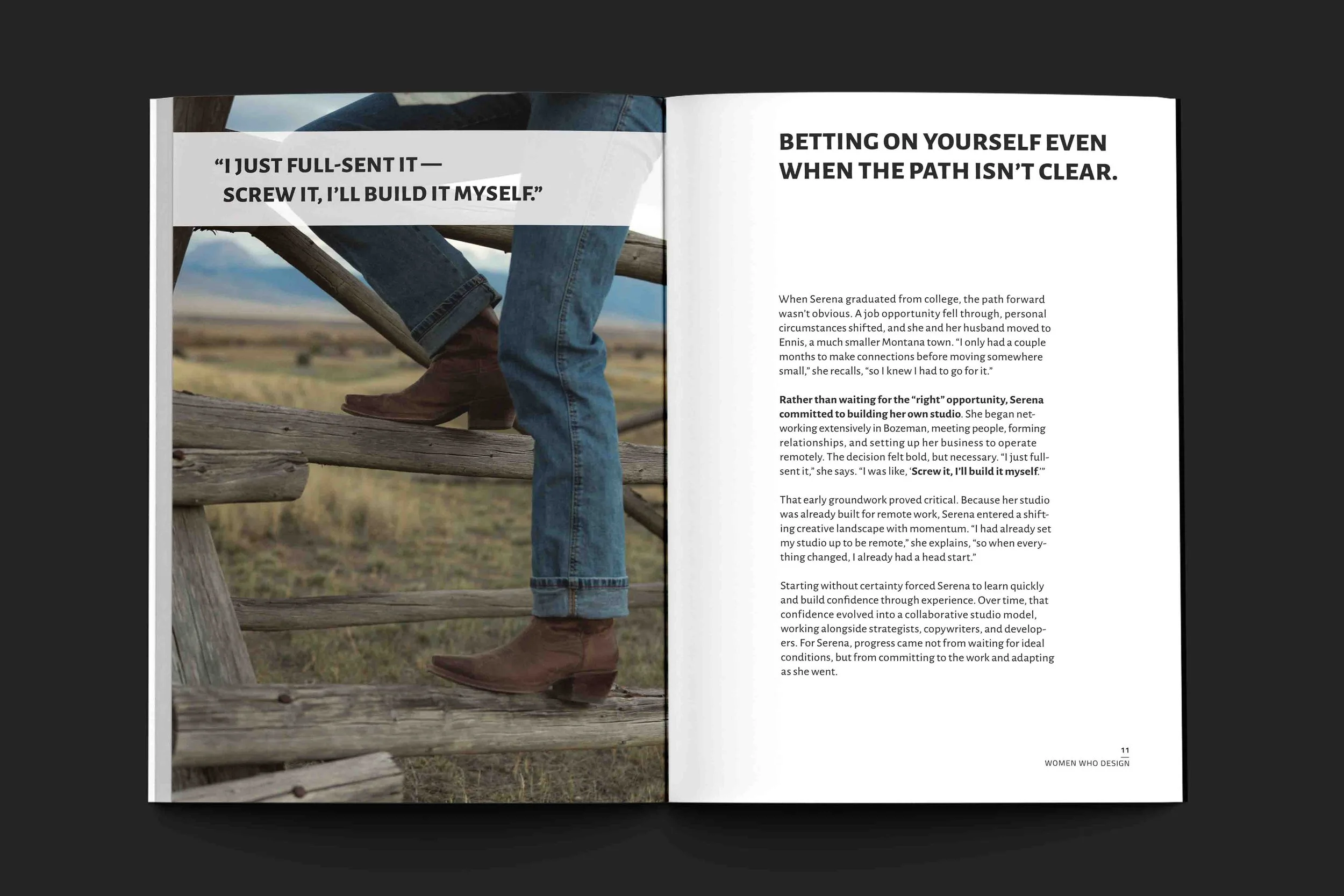
Betting on yourself even when the path isn’t clear.
When Serena graduated from college, the path forward wasn’t obvious. A job opportunity fell through, personal circumstances shifted, and she and her husband moved to Ennis, a much smaller Montana town. “I only had a couple months to make connections before moving somewhere small,” she recalls, “so I knew I had to go for it.”
Rather than waiting for the “right” opportunity, Serena committed to building her own studio. She began networking extensively in Bozeman, meeting people, forming relationships, and setting up her business to operate remotely. The decision felt bold, but necessary. “I just full-sent it,” she says. “I was like, ‘Screw it, I’ll build it myself.’”
That early groundwork proved critical. Because her studio was already built for remote work, Serena entered a shifting creative landscape with momentum. “I had already set my studio up to be remote,” she explains, “so when everything changed, I already had a head start.”
Starting without certainty forced Serena to learn quickly and build confidence through experience. Over time, that confidence evolved into a collaborative studio model, working alongside strategists, copywriters, and developers. For Serena, progress came not from waiting for ideal conditions, but from committing to the work and adapting as she went.
What advice would you give to young women entering design?
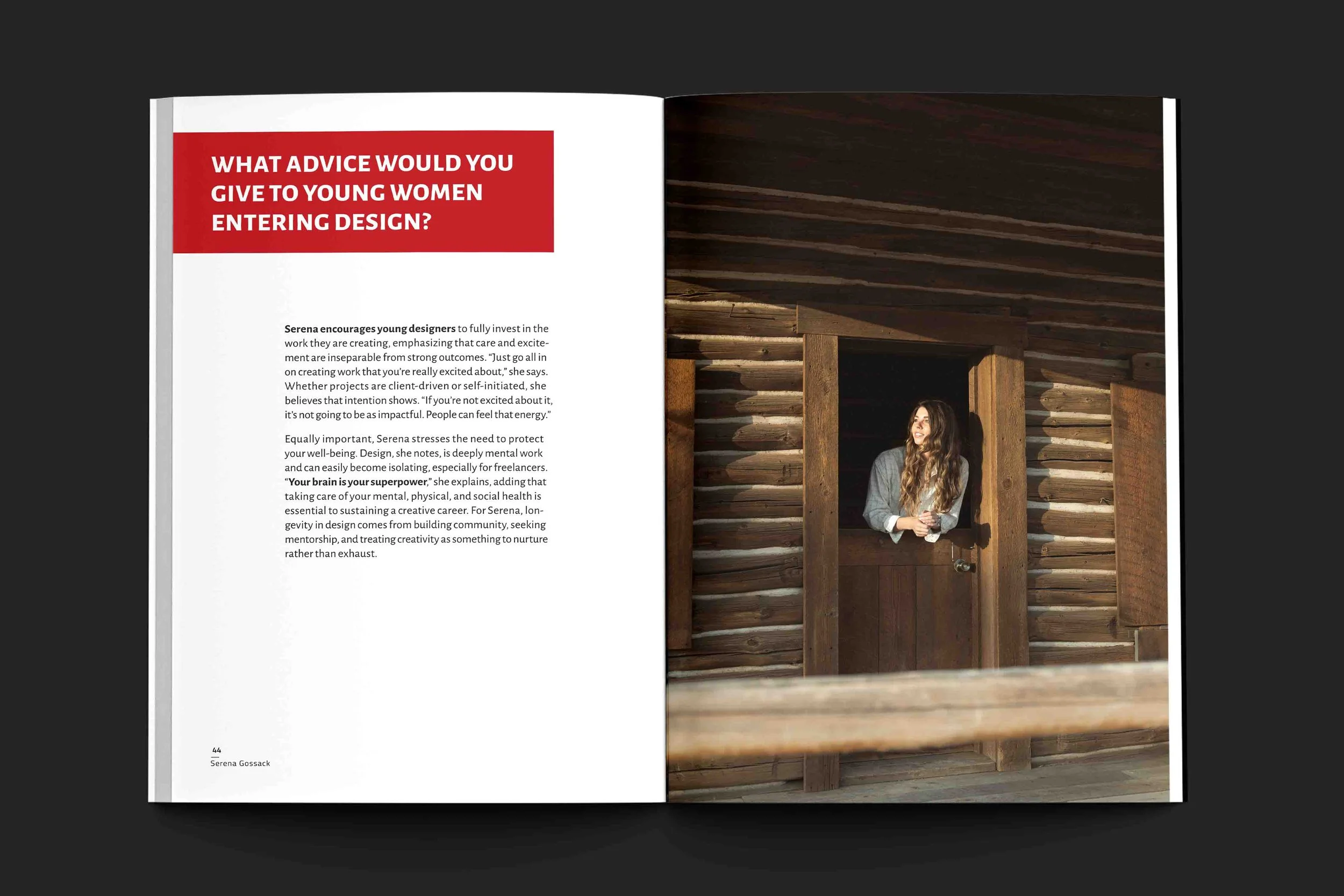
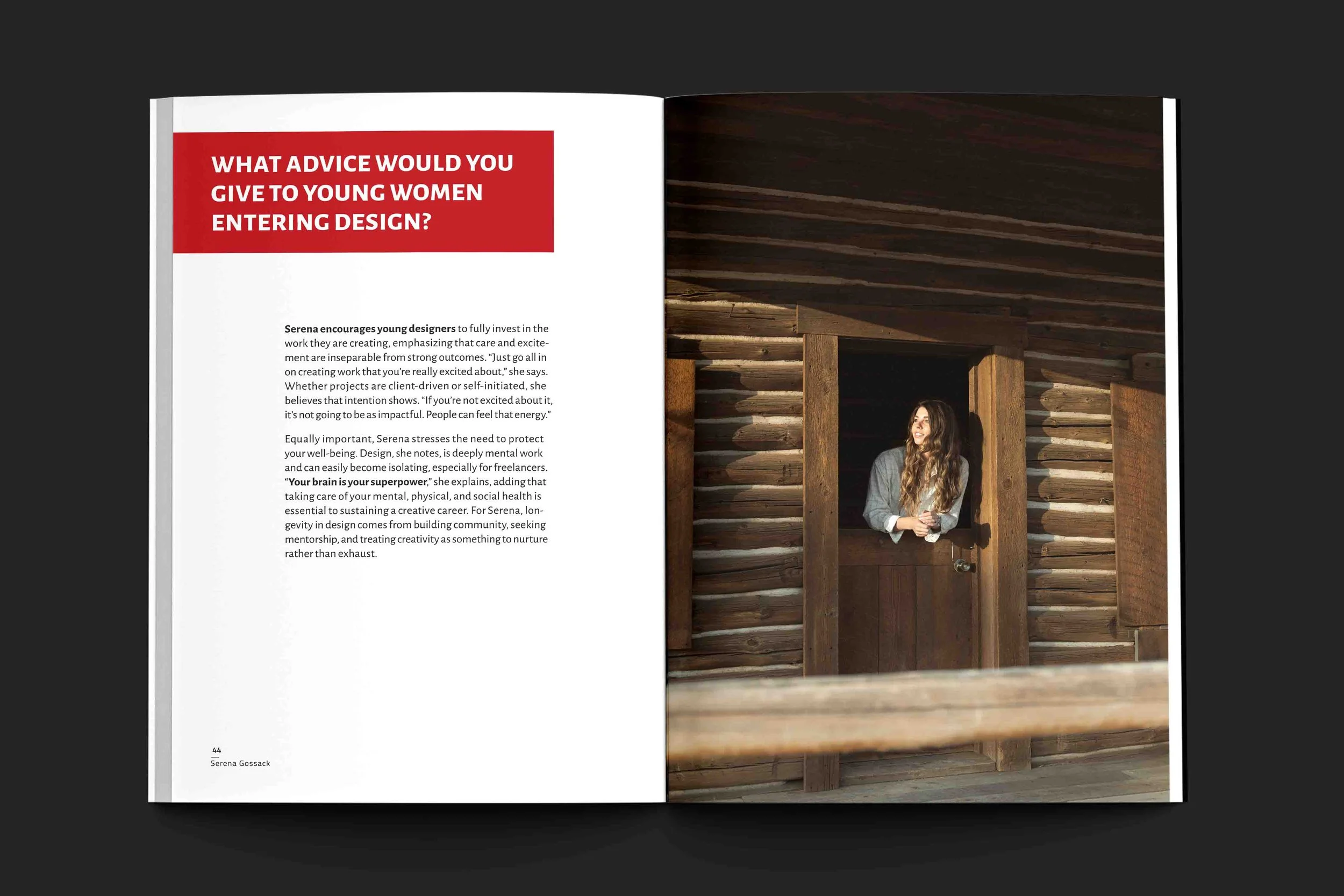
Serena encourages young designers to fully invest in the work they are creating, emphasizing that care and excitement are inseparable from strong outcomes. “Just go all in on creating work that you’re really excited about,” she says. Whether projects are client-driven or self-initiated, she believes that intention shows. “If you’re not excited about it, it’s not going to be as impactful. People can feel that energy.”
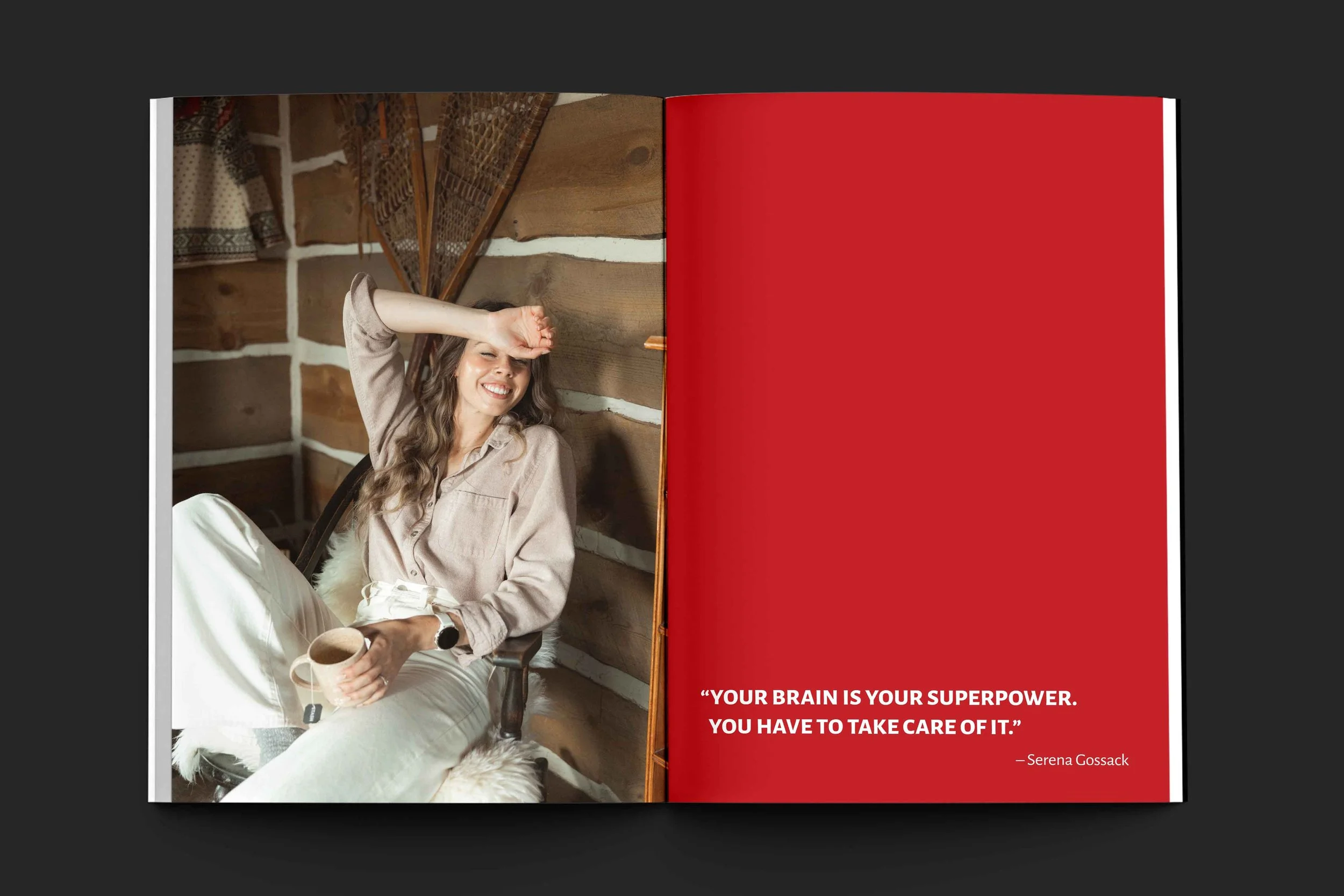
Equally important, Serena stresses the need to protect your well-being. Design, she notes, is deeply mental work and can easily become isolating, especially for freelancers. “Your brain is your superpower,” she explains, adding that taking care of your mental, physical, and social health is essential to sustaining a creative career. For Serena, longevity in design comes from building community, seeking mentorship, and treating creativity as something to nurture rather than exhaust.
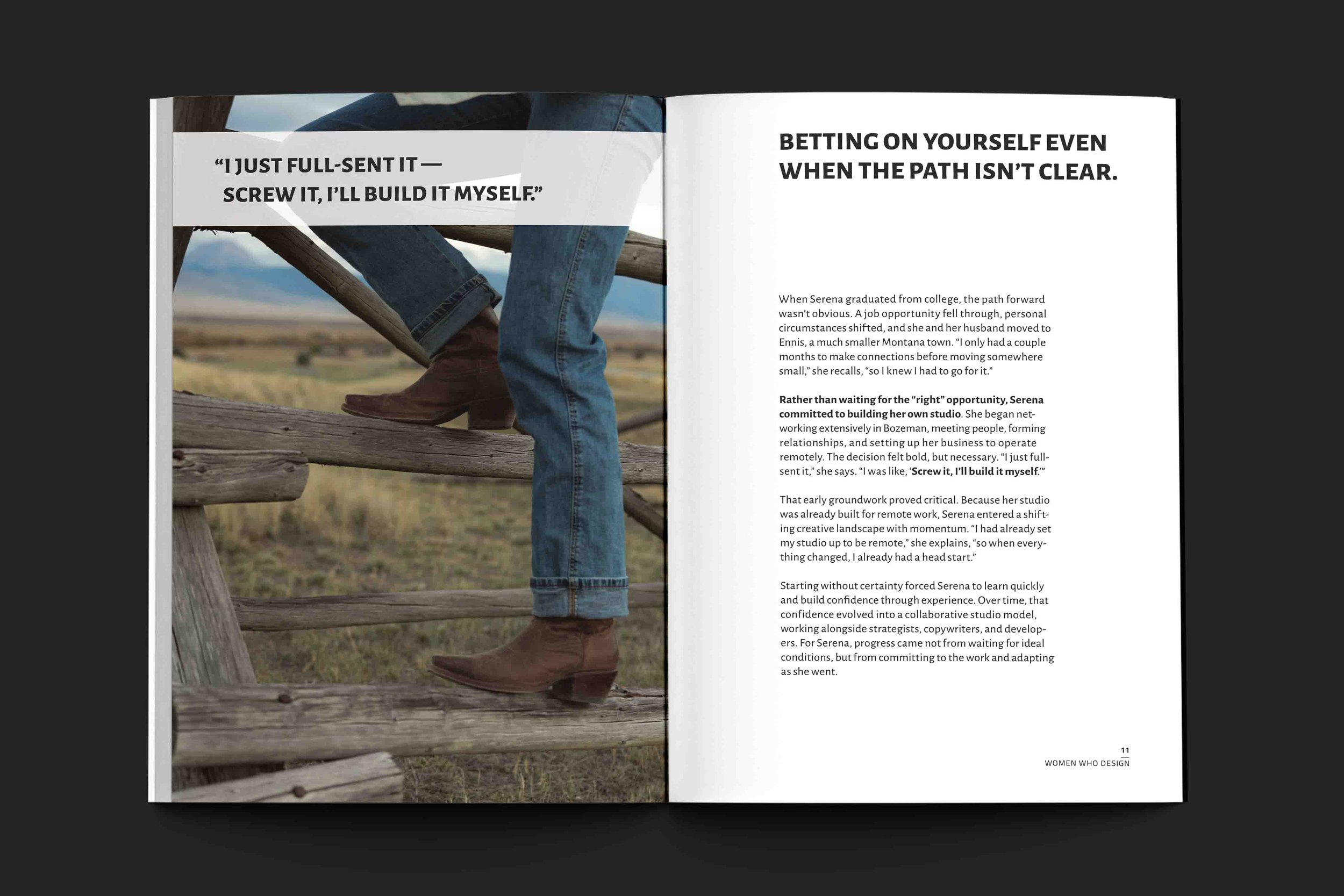
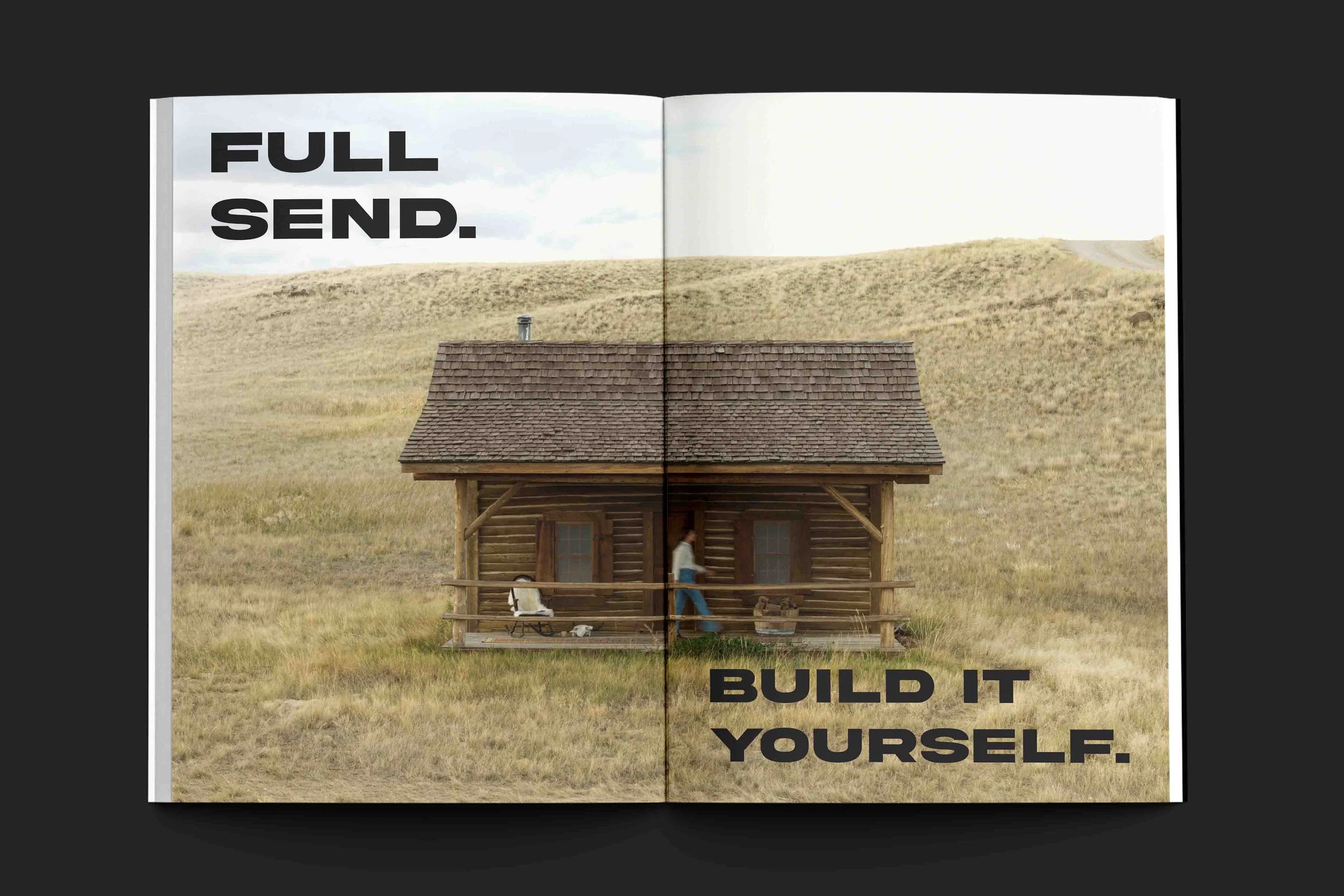
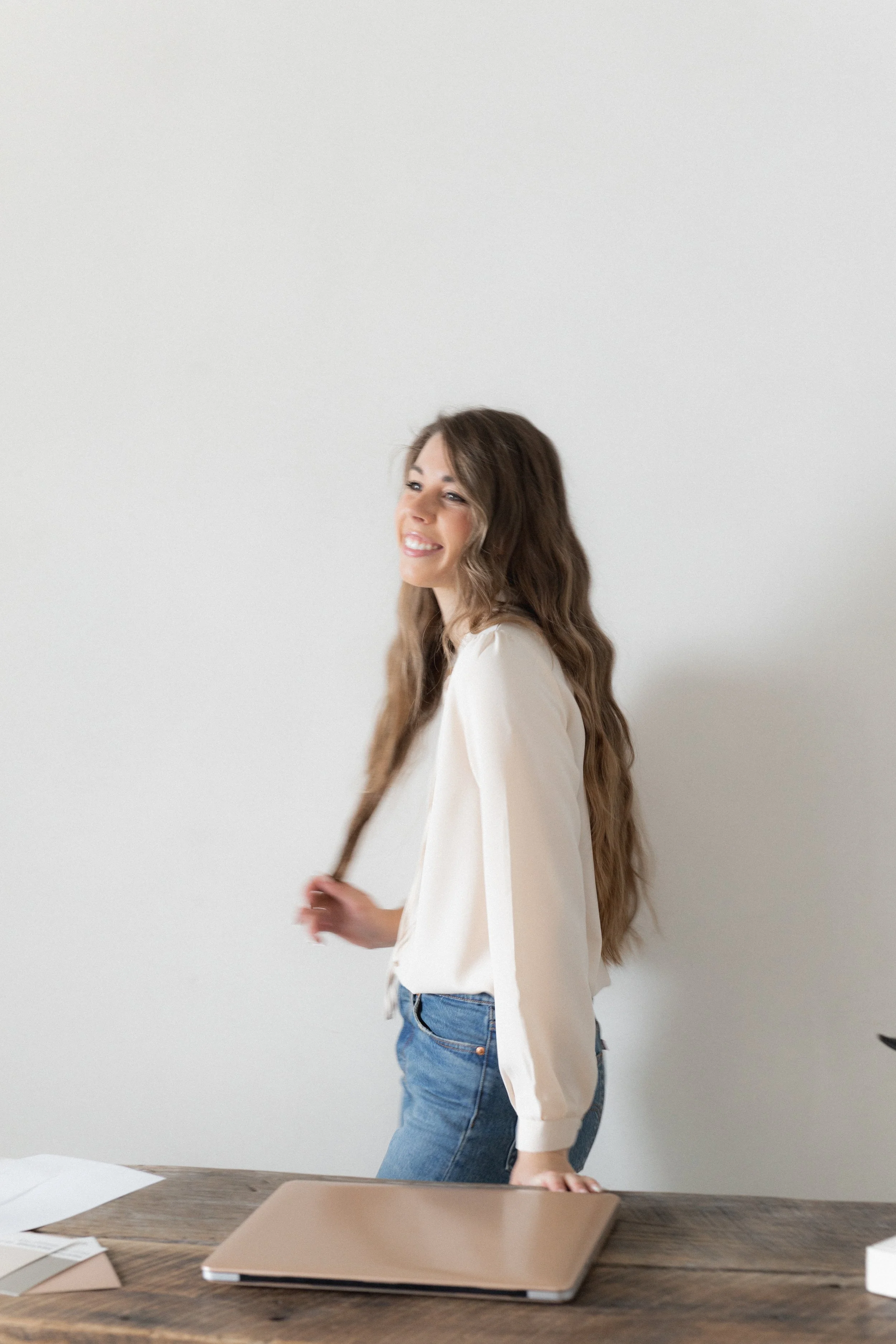
“I just full-sent it
— Screw it, I’ll build it myself.”
— Serena Gossack